Vaccination and Deworming: The Crucial Role in Pet Health

The Importance of Vaccination and Deworming for Pets
Ensuring the health of pets extends beyond providing food and shelter; it involves a commitment to preventive care that includes vaccination and deworming. In Nigeria, the importance of these health practices cannot be overstated, as they serve not only to protect individual pets but also to enhance community health and safety.
Understanding Vaccination
Vaccination acts as a shield for pets against a multitude of serious diseases. For instance, the canine parvovirus can cause severe gastrointestinal illness in dogs, often leading to death if not treated promptly. Another critical disease that pets face is distemper, which can affect a dog’s respiratory, gastrointestinal, and nervous systems. Rabies, a zoonotic disease, poses a significant threat both to pets and to human populations, given that it is a fatal illness if contracted. In urban settings like Lagos or Abuja, where pets are frequently socialized, the risk of disease transmission increases dramatically without vaccination. Therefore, keeping pets up to date with vaccinations is essential for maintaining a healthy pet population.
The Necessity of Deworming
Deworming is equally crucial in preventing parasitic infections that can have debilitating effects on pets’ health. Common parasites like hookworms and roundworms thrive in environments where pets are exposed to unsanitary conditions. These parasites can lead to malnutrition, anemia, and in severe cases, death. Furthermore, some parasitic infections can be transmitted to humans—particularly in children, who are more vulnerable to infections. Regular deworming regimens can help mitigate these risks, ensuring that pets lead healthier lives, free from the strains of internal parasites.
Community Health Impact
The ripple effect of responsible pet care practices, such as vaccination and deworming, extends into the broader community. When pets are vaccinated, they are less likely to transmit diseases to other animals or humans, reducing the prevalence of zoonotic diseases in populated areas. This is particularly vital in Nigeria, where rapid urbanization has led to increased human-animal interactions. Community-wide vaccination initiatives not only provide immediate protection but also promote herd immunity within the pet population.
Despite these clarifications, there remains a significant gap in awareness and access to veterinary services in many areas of Nigeria. Misconceptions about the safety and necessity of vaccinations and deworming can deter pet owners from seeking essential healthcare for their animals. For instance, some owners may believe that their pets only need treatment when they show obvious signs of illness, which is a dangerous misconception.
The Path Forward
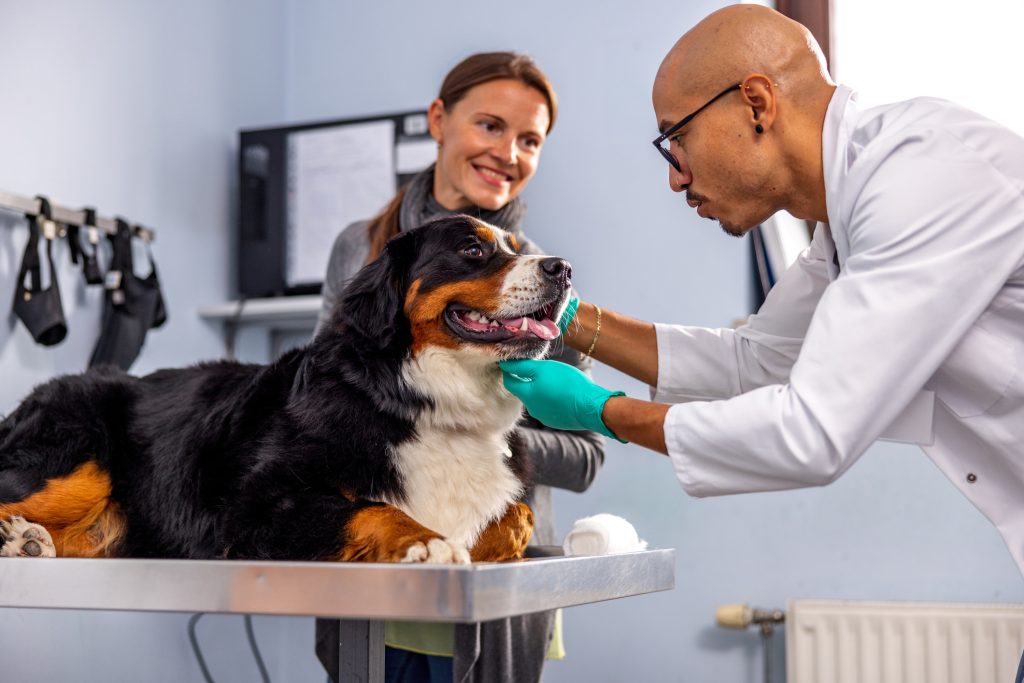
Promoting education around vaccination and deworming practices is crucial. Initiatives that target pet owners, such as community workshops or outreach programs by veterinary associations, can help dispel myths and provide valuable information. Additionally, local veterinarians can serve as vital resources, guiding pet owners through the complexities of pet healthcare and emphasizing the importance of routine vaccinations and deworming schedules.
As the culture of pet ownership continues to flourish in Nigeria, particularly in Metropolises like Lagos and Abuja, a collective effort towards education and preventive healthcare can ensure better lives for pets and healthier communities. By understanding their pets’ health needs and taking proactive measures, owners can contribute significantly to both their pets’ wellbeing and the larger society’s health framework.
LEARN MORE: This related article may interest you
The Role of Vaccination and Deworming in Pet Health
Understanding the significance of vaccination and deworming practices goes beyond routine veterinary visits; it is an essential component of comprehensive pet care that can dictate the quality and longevity of a pet’s life. In Nigeria, where many pet owners are beginning to embrace the joys of companionship from furry friends, recognizing the role that these preventive health measures play is more crucial than ever.
The Benefits of Vaccination
Vaccination serves as a vital line of defense for pets against various communicable diseases that can lead to serious health complications or even death. A well-planned vaccination schedule can protect pets from the following diseases:
- Canine Parvovirus: Highly contagious and often deadly, especially for puppies, this virus can lead to severe intestinal illness.
- Distemper: This viral disease affects multiple body systems, and pets can experience respiratory, gastrointestinal, and even neurological issues.
- Rabies: As a universally fatal disease, the risk of rabies extends beyond pets to humans, particularly in urban areas where pet interactions are common.
The benefits of proper vaccination extend beyond individual health, enhancing the collective well-being of the pet community. For instance, when a significant portion of the pet population is vaccinated, it creates a form of herd immunity, reducing the overall spread of diseases among animals. This is particularly relevant in Nigeria, where densely populated areas can facilitate rapid disease transmission.
The Impact of Deworming
When it comes to deworming, many pet owners underestimate the prevalence and danger posed by internal parasites. Common parasites such as hookworms, roundworms, and tapeworms can lead to a range of health issues in pets, including:
- Malnutrition: Parasites can rob pets of vital nutrients and lead to poor physical condition.
- Anemia: Blood loss due to parasitic infections can result in anemia, leaving pets weaker and more susceptible to other illnesses.
- Immune Suppression: Chronic infestations can weaken the immune system, making pets vulnerable to various diseases.
The implications of these parasites extend beyond the health of pets. Some infections can transfer to humans, particularly in households with children, underlining the need for regular deworming as a public health measure as well. In many parts of Nigeria, where sanitation practices vary widely, the risk of pets contracting parasitic infections is heightened, making routine deworming even more critical.
Combating Misconceptions
Despite clear evidence supporting the importance of vaccination and deworming, many pet owners remain unaware of their pets’ healthcare needs. Misbeliefs regarding the necessity of these practices can hinder optimal health outcomes. For example, the idea that a pet only needs to be vaccinated once or when showing signs of illness is perilous and can lead to severe health detriment. It is imperative for pet owners to engage with veterinarians, seek guidance on vaccination schedules, and adhere to deworming protocols to protect both their pets and the community.
In summary, vaccination and deworming are fundamental to the health of pets in Nigeria. As we advance knowledge around these critical practices, we create a healthier environment for our furry companions and contribute positively to public health dynamics. With the rise of pet ownership in urban areas, prioritizing these preventive measures is not just an individual responsibility, but a shared societal obligation.
Understanding Vaccination and Deworming
Vaccination and deworming stand as foundational pillars in maintaining optimal pet health. With the rising awareness of infectious diseases and parasites affecting our beloved animals, it’s vital to dive deeper into the benefits of these preventative measures.
The Importance of Vaccination
Vaccination plays a pivotal role in protecting pets from serious diseases such as rabies, parvovirus, and distemper. When pets are vaccinated, they develop immunity to these illnesses, significantly reducing the risk of outbreaks. The core vaccines typically recommended by veterinarians not only help in safeguarding the individual animal but also contribute to herd immunity, protecting those pets that cannot be vaccinated due to health restrictions.Regular vaccination schedules must be adhered to ensure lasting protection. Many pet owners may not realize that certain diseases can be fatal or lead to lifelong complications, hence the need for timely vaccinations cannot be overstated.
The Necessity of Deworming
While vaccination focuses on preventing viral and bacterial diseases, deworming targets internal parasites such as roundworms, tapeworms, and hookworms that can affect pets, leading to serious health issues. Many of these parasites can cause malnutrition, lethargy, and digestive problems, ultimately affecting the quality of life for pets.Deworming is particularly crucial for young animals, who are more susceptible to parasitic infections. Veterinarians often recommend regular deworming treatments to effectively eliminate parasites and prevent re-infestation. By incorporating a proactive deworming schedule, pet owners can significantly enhance their pet’s overall well-being.
Creating a Preventative Health Plan
Integrating both vaccination and deworming into a comprehensive pet health plan is essential for every pet owner. Consulting with a veterinarian to establish vaccination schedules and deworming timelines tailored to each pet’s lifestyle is imperative. Factors such as age, health status, and environmental exposure should all be taken into consideration.In conclusion, a strong commitment to vaccination and deworming not only protects pets but also strengthens the bond between owners and their cherished animals, ensuring a long and healthy life together.
RECOMMENDED: Check out this similar article
Challenges and Best Practices in Vaccination and Deworming
While the advantages of vaccination and deworming are widely acknowledged, several challenges persist that impede their effective implementation in Nigeria. Limited access to veterinary services, particularly in rural areas, can deter pet owners from seeking necessary healthcare for their animals. Furthermore, financial constraints can lead to delayed vaccinations and deworming treatments. Indeed, understanding these barriers is key to improving pet health across the country.
Access to Veterinary Care
Access to reliable veterinary care remains a significant hurdle. Many pet owners may not have a qualified veterinarian in proximity, leading to a reliance on informal sources for pet health advice. This practice can result in misinformation or inadequate treatment protocols. In urban areas, while veterinary clinics may be more accessible, the cost of vaccinations can pose a financial burden for some households.
In regions where outreach programs or mobile clinics are established, there’s a noticeable uptick in vaccination rates. These initiatives often collaborate with local animal welfare organizations to provide free or subsidized services, which can enhance pet health standards in underserved communities.
Understanding Vaccination Schedules
It is essential for pet owners to comprehend the vaccination schedules designed for their pets. Puppies and kittens typically require a series of vaccinations starting at six to eight weeks of age, followed by boosters at regular intervals. This information is crucial for new pet owners who may not be familiar with how to maintain their pets’ health. Additionally, older pets also need booster shots to remain protected against diseases. Engaging with veterinarians to establish a personalized vaccination timetable can make a significant difference in the health outcomes of pets.
Moreover, pet owners should be aware of the potential for non-core vaccinations based on individual circumstances, such as lifestyle or geographical location. For instance, pets who frequently interact with other animals at parks or grooming facilities may need the Bordetella vaccine, which protects against kennel cough.
Advocating for Public Awareness
Raising public awareness around vaccination and deworming plays a pivotal role in improving compliance rates among pet owners. Pet health campaigns aimed at educating communities in Nigeria not only inform pet owners about the importance of these health measures but also tackle prevailing myths. This could be through community workshops, social media outreach, or collaboration with local influencers to communicate the significance of a proactive approach in pet health management.
For example, utilizing platforms like WhatsApp and Facebook, especially popular in Nigeria, can serve as powerful tools for disseminating accurate health information and engaging with pet owners. Furthermore, introducing school programs that teach children about responsible pet ownership can cultivate a new generation of informed pet lovers.
Routine Deworming Practices
Another critical element in maintaining pet health is instilling a routine deworming practice. It is often suggested that pets should be dewormed at least every three months, particularly in environments where they may be exposed to parasites or if they show signs of infestation. Regular deworming not only improves pets’ health but also breaks the life cycle of parasites that can affect humans as well. Pet owners are encouraged to consult veterinarians to understand the specific deworming products available and to tailor a plan that suits their pet’s needs while addressing any potential environmental factors that may pose risks.
Awareness campaigns emphasizing the linkage between parasitic infections and public health can help to reposition deworming as a paramount aspect of pet care, ensuring healthier pets and communities.
ADDITIONAL INSIGHTS: Expand your understanding here
Conclusion: Ensuring a Healthier Future for Pets
In conclusion, vaccination and deworming are not just routine tasks; they are essential components of responsible pet ownership that have a profound impact on the overall health of our furry companions. By understanding the importance of timely vaccinations and regular deworming, pet owners can prevent a multitude of health issues that could arise from neglecting these critical health measures. Especially in Nigeria, where access to veterinary care can be limited, it is incumbent upon pet owners to advocate for their animals’ health through education and awareness.
Moreover, initiatives to improve access to veterinary services, such as mobile clinics and community outreach programs, can significantly enhance the situation in underserved areas. Emphasizing the necessity of vaccination schedules tailored to individual pets, it’s vital for owners to engage in proactive discussions with veterinarians about the specific needs of their animals. This is particularly important in urban areas where financial constraints can be an obstacle to compliance with recommended health practices.
By cultivating a culture of awareness that prioritizes vaccination and deworming, we not only advocate for the health of our pets but also safeguard public health. The link between pet health and community wellness emphasizes the responsibility we all share. As we work together in our communities to enhance understanding and accessibility, we can ensure that the commitment to pet health translates into healthier pets and ultimately, a healthier society. Therefore, let us be advocates for change, fostering an environment where every pet receives the care it deserves for a long and flourishing life.