
Train Cats to Use the Litter Box Correctly Simple Steps Tips
Understanding Litter Box Training for Cats
When it comes to welcoming a cat into your home, one of the most essential aspects to tackle is litter box training. This crucial process not only ensures a clean living environment but also contributes to your cat’s overall well-being. Misunderstandings about litter box use can lead to stress for both pets and their owners.
Training cats to use the litter box correctly can sometimes pose challenges, but it offers various benefits:
- Hygiene: A properly trained cat maintains a cleaner home.
- Behavioral Harmony: Reduces the likelihood of behavioral issues that stem from improper elimination.
- Owner Satisfaction: Makes pet ownership a more enjoyable experience.
In this article, we will explore the top 5 tips to help you effectively train your cat. Prepare to dive into practical strategies that will foster a strong bond between you and your feline companion while ensuring a stress-free environment for both of you.
Top 5 Tips for Training Cats to Use the Litter Box Correctly
Cats are often associated with their independent nature, and one of the key aspects of cat ownership is ensuring that they use the litter box correctly. Good litter box habits can mean the difference between a harmonious home and one fraught with frustration. With these top five tips, you’ll discover how to effectively train your feline friend in a way that respects their uniqueness while maintaining a clean environment in your home.
5. Choosing the Right Litter Box
One of the first steps toward successful litter training is choosing the right litter box. You might think a box is a box, but there are several factors to consider that will affect your cat’s willingness to use it.
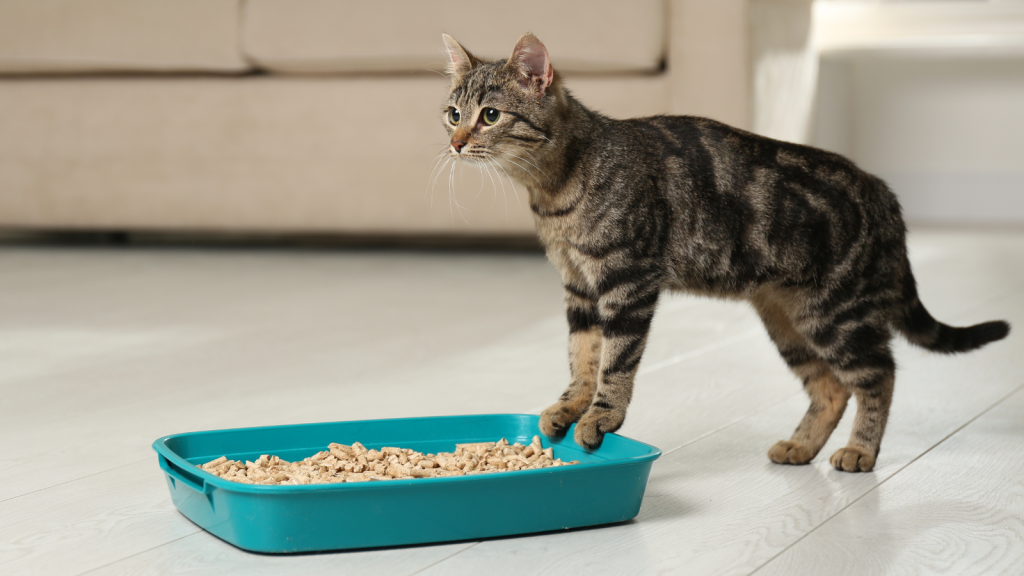
- Size: An appropriately sized litter box is essential. Ideally, the box should be at least one and a half times the length of your cat. This allows them to comfortably turn and dig, an instinct inherent to their nature.
- Style: Litter box designs range from open to covered. Open boxes can give your cat a wide viewing angle, potentially making them feel safer. However, covered boxes can offer more privacy, which some cats prefer. It’s vital to observe your cat’s comfort level with each type.
- Accessibility: If your cat is elderly or has joint issues, a box with high sides might pose a challenge. In such cases, a box with lower sides or a ramp can make a big difference, facilitating easier access.
Making a thoughtful choice about the litter box can set the stage for effective training and greater household harmony.
4. Selecting the Right Type of Litter
Once you have the correct box, the next crucial choice is the litter itself. Cats can be quite particular about their litter preferences, and these choices can greatly influence their litter habits.
- Texture: Some cats are finicky about the litter’s feel under their paws. Many favor fine-grained litters, as they mimic the soft earth or sand their instincts lead them to dig in. Nonetheless, experimenting with different textures will help identify what your cat finds most comfortable.
- Odor Control: While an overpowering scent might seem appealing to humans, it may deter felines. Seek out litters that offer effective odor control without added fragrances, as added scents can sometimes repel cats.
- Dust Levels: Dusty litters can lead to respiratory issues for both pets and humans. Low-dust or dust-free formulas are a safer choice, creating a cleaner environment in your home.
Finding the right litter type is often an experiment, but one well worth the effort for long-term success.
3. Consistent Location
The location of the litter box is another essential, albeit often overlooked, factor in ensuring your cat regularly uses their box. Cats seek out places that feel safe and secure for bathroom breaks.
- Avoid High Traffic Areas: Areas with constant noise and movement are unlikely candidates for a litter box spot. Cats value their privacy and need a peaceful setting to do their business uninterrupted.
- Accessible Yet Private: Strike the balance between accessibility and seclusion. Basements or small laundry rooms can sometimes be ideal locations, provided your cat can reach them easily.
- Multiple Boxes: In multi-cat households, providing several boxes is crucial to prevent territorial disputes. A good rule of thumb is one box per cat, plus one extra.
Taking the time to choose an optimal location helps foster a positive environment, encouraging your cat to use their litter box faithfully.
2. Introducing the Litter Box
After setting up the box, the introduction phase is where patience and positivity come into play. Their first interaction with the litter box can set the tone for future use.
- Use Treats or Toys: Guide your cat to the litter box with enticing treats or by strategically placing one of their favorite toys nearby. This can pique their curiosity and make the experience less daunting.
- Observe Their Behavior: Allow your cat to explore the box on their terms. Some might instantly investigate, while others require more time. Pay attention to their reactions and encourage positive interactions.
- Positive Reinforcement: Reward any positive interest with treats or affection to build advantageous associations with the box. However, if they seem anxious or distressed, take a step back and try again later.
A smooth introduction, free from stress or pressure, can significantly minimize any litter box aversions.
1. Routine and Patience
The final and perhaps most important element is establishing a routine coupled with patience. Setting a manageable schedule that both you and your cat adhere to enhances predictability and comfort.
- Regular Cleaning: Cats prefer a clean litter box. Instill a habit of scooping daily and changing the litter once a week. This upkeep prevents odors and keeps the box inviting.
- Scheduled Feeding Times: Predictability in their eating schedule helps anticipate when they’ll need the box, reducing the chance of accidents elsewhere in your home.
- Be Patient: Adjusting to new habits takes time, and slips can occur. If accidents happen, address them calmly and continually encourage box usage. Punishments can instill fear and should be avoided.
Every cat is unique, and understanding that their journey to impeccable litter habits is gradual will help both you and your feline coexist happily.
By following these structured tips, cat owners can create an environment where their beloved pets can thrive, ensuring that litter training is not a daunting task, but rather a successful partnership. Implementing these strategies will lead to a cleaner home and a happier relationship with your feline friend.
| Category | Details |
|---|---|
| Understanding Cat Behavior | Cats are naturally inclined to bury their waste, making litter box training a more instinctive process. Their behavior is driven by survival instincts, as burying waste can help avoid predators in the wild. |
| Proper Litter Box Placement | Finding the right location for the litter box is crucial. It should be placed in a quiet, accessible area where the cat feels safe. Avoid high-traffic areas and changes in their environment that can cause stress. |
| Litter Type Preferences | Cats can be particular about the type of litter they prefer. Offering a few different types, such as clumping, clay, or natural options, can help determine which one your cat finds most comfortable. |
| Positive Reinforcement Techniques | Using treats or affection immediately after the cat uses the litter box reinforces good behavior. Positive reinforcement fosters a sense of achievement, encouraging the cat to repeat the behavior in the future. |
In exploring the nuances of litter box training, it is essential to recognize that each cat may respond differently to training stimuli. Understanding individual quirks and preferences can ultimately simplify the process. For instance, ensuring that the litter box remains clean is paramount; most cats are unlikely to use a box that feels dirty or smells unpleasant. Regular scooping is critical, and a complete litter change should occur weekly to promote a healthy environment. Additionally, introducing the litter box gradually can ease anxiety. For instance, placing a cat inside the box after meals or naps can help reinforce the habit. Be patient, as training may take time depending on the cat’s temperament and past experiences.Paying close attention to signs of discomfort or hesitation can also provide insights into their preferences. For example, if a cat scratches around relentlessly without using the box, it may indicate a dislikes the litter type or its placement. Such behavioral cues are vital for effectively addressing any potential challenges as you navigate the training process. By fostering an understanding of feline behavior and preferences, you can create a seamless experience that aligns with your cat’s natural instincts, thereby enhancing the overall harmony in your home.
Frequently Asked Questions about Training Cats to Use the Litter Box Correctly
How can I encourage my cat to use the litter box?
Encouraging your cat to use the litter box can be a straightforward yet strategic task. First, ensure that the litter box is placed in a quiet, easily accessible area. Cats prefer privacy, so this is crucial. Secondly, keep the litter clean by scooping it daily and replacing the litter at least once a week. Finally, use a litter that your cat seems to prefer; some cats are particular about texture or fragrance. Observing your cat’s natural preferences and creating a comfortable litter environment can significantly increase their cooperation.
What should I do if my cat stops using the litter box?
If your cat suddenly stops using the litter box, it’s important first to rule out any medical issues, such as urinary tract infections. After a health check, assess any changes in the environment, such as new pets or alterations in the house layout, which may cause stress. Also, ensure that the litter box is clean and that there are enough litter boxes—ideally one per cat plus one. Addressing these factors can help determine the underlying issue. Consulting with a vet or a behaviorist may provide additional solutions.
How can I train a kitten to use the litter box?
Training a kitten to use the litter box often involves introducing them to it as soon as possible. Place them in the box after meals and naps and encourage them with gentle scrapes of their paws in the litter. Keeping the box in a consistent location will help them remember where it is. Furthermore, choosing a litter that is safe for kittens is essential since they might ingest some of it during their exploratory phase. Patience and consistency are key in achieving success.
Is there a specific type of litter box that is best for training cats?
Cats have different preferences, but initially, open litter boxes are often recommended for training. They allow easy access and don’t trap smells as much as covered boxes. However, if your cat is shy, a covered box might provide the privacy they need. The box should be roomy enough for the cat to turn around comfortably. The right choice often depends on your cat’s individual preferences and behaviors. Experimenting with different types can help you discover what suits your cat best.
Can using a specific type of litter impact my cat’s behavior?
Indeed, the type of litter can greatly influence your cat’s willingness to use the box. Cats have preferences for certain textures and scents. Unscented, clumping litters tend to be popular, but observing your cat will give you the best insight. Switching litters abruptly can cause stress, so any changes should be gradual. Litter choice is a crucial element in successful litter box training.
Conclusion
Ensuring that your feline friend consistently uses the litter box correctly is crucial to maintaining a harmonious relationship and a clean household. Throughout the article, we’ve explored various techniques and considerations that can make this training process smoother and more effective. These strategies include selecting the right type of litter box, positioning it in an optimal location, and ensuring it’s consistently clean. Moreover, understanding and catering to your cat’s preferences plays a significant role in this training endeavor.
One of the main takeaways from this discussion is the importance of patience and observation. Every cat is unique, with individual habits and behaviors, so adapting the training methods to fit their specific needs and inclinations is key. Additionally, providing positive reinforcement and acknowledging your cat’s successful use of the litter box can significantly enhance their learning experience.
The process of training cats to use the litter box is not only about cleanliness but also about ensuring the well-being and comfort of your pet. A well-trained cat is less likely to suffer from stress and behavioral issues, resulting in a happier and healthier pet. Additionally, a clean litter area reduces the risk of health problems for both the cat and the owner.
In essence, while training your cat to use the litter box may require some effort and dedication, the benefits far outweigh the challenges. With the right approach and ample understanding, this task can be a rewarding experience for both you and your pet, leading to a better quality of life and a stronger bond. The journey offers an excellent opportunity to delve deeper into the fascinating world of feline behavior and needs, opening doors to further studies and discoveries.