The Relationship between Nutrition and Common Diseases in Pets
The Importance of Nutrition in Pet Care
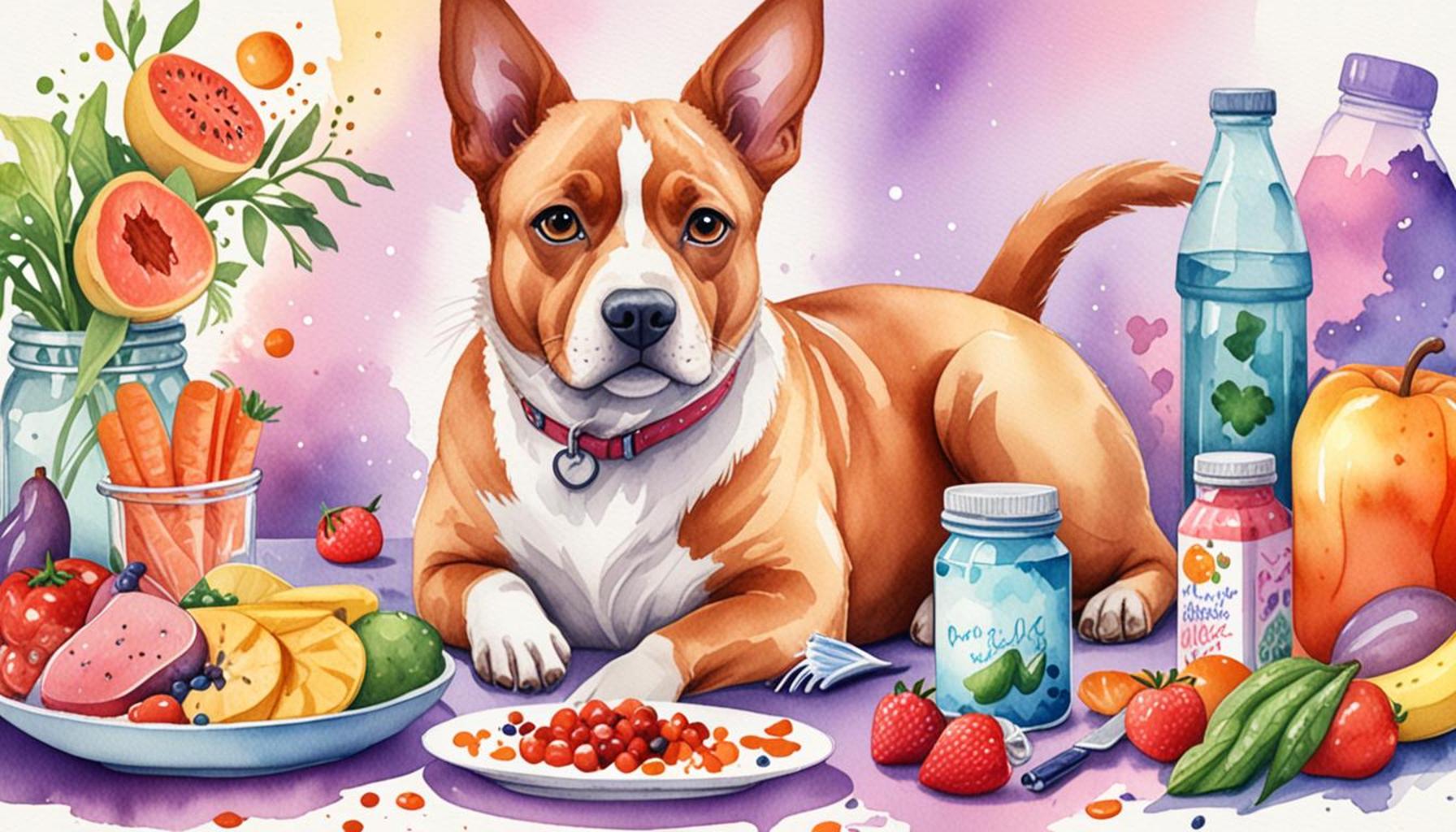
Pet owners often overlook the crucial role that nutrition plays in maintaining the health of their furry companions. A balanced diet is not just about keeping pets well-fed; it directly impacts their overall well-being and susceptibility to diseases. Just as humans often feel the effects of their dietary choices, pets also experience significant health outcomes based on what they consume.
In Nigeria, many pet owners may not be fully aware of how different food types can either bolster or hinder their pets’ immune systems. With the rise of local and international pet food brands, the choices can be overwhelming. Understanding the nutritional needs of pets can help owners make informed choices that prioritize their health.
Critical Connections Between Nutrition and Pet Health
Several crucial connections between diet and pet health warrant consideration:
- Obesity: Poor nutrition can lead to weight gain, increasing the risk of diabetes, arthritis, and heart disease. An alarming trend observed among pet owners is the overindulgence in high-calorie treats and table scraps, which may seem harmless but contribute to long-term health issues. For instance, a fat cat or dog may appear cute, but obesity can severely limit their mobility and lifespan.
- Skin Conditions: Diets inadequate in essential fatty acids may result in itching, allergies, and skin problems. Commonly, pets in Nigeria suffer from skin issues like hotspots and rashes due to the lack of omega-3 and omega-6 fatty acids in their food. It is essential to incorporate fish oils or specially formulated pet foods that contain these fatty acids to enhance fur quality and promote skin health.
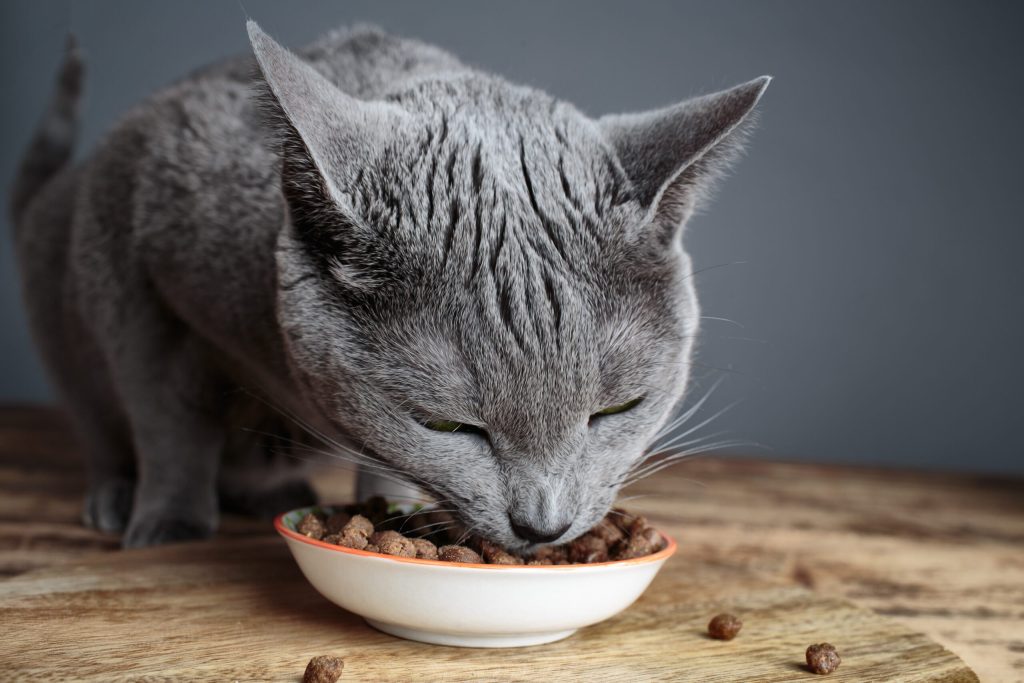
- Digestive Issues: Low-quality ingredients can lead to gastrointestinal disturbances, resulting in diarrhea or constipation. Dog and cat owners might notice their pets becoming restless or uncomfortable, a sign that their diet may not be properly balanced. Poor digestion can stem from ingredients that are not easily digestible, underscoring the importance of high-quality, nutrient-rich foods.
Research highlights a clear link between what pets eat and their susceptibility to various illnesses. For instance, studies have shown that pets fed a diet devoid of essential vitamins and minerals are more likely to develop diseases compared to those receiving a nutritionally complete diet. A thorough understanding of the unique dietary needs of cats and dogs is vital, particularly with the diverse diets consumed in different parts of Nigeria, where local ingredients often make their way into pet food.
As we delve deeper into this topic, it becomes evident that making informed choices about pet nutrition can significantly reduce the incidence of common diseases, thereby improving both the quality and lifespan of our pets. Pet owners are encouraged to consult with veterinarians to create dietary plans customized for their pets based on age, size, and activity level. Additionally, exploring local ingredients that are safe and nutritious can reflect a deeper commitment to pet health and responsible ownership. Let’s explore how proper nutrition can enhance the health of our beloved pets.
YOU MAY ALSO LIKE: Read read another article
Nutritional Deficiencies and Disease Susceptibility
Understanding the link between nutrition and common diseases in pets is essential for every pet owner. Many serious health issues can be traced back to nutritional deficiencies, making it critical to provide a balanced diet tailored to a pet’s specific needs. In Nigeria, the landscape of pet nutrition is evolving, but misinformation and dietary gaps persist, ultimately affecting the health of our beloved animals.
One of the most prevalent health concerns stemming from inadequate nutrition is obesity. According to recent surveys, about 50% of dogs and cats in Nigeria are overweight. This alarming statistic is often the result of overfeeding and low-quality diets rich in fillers and low nutritional value. Obesity significantly increases the risk of developing chronic conditions such as diabetes, joint disease, and cardiovascular issues. A dog or cat weighing significantly more than their ideal body condition is not just a visual concern; it offers profound implications for their overall health and well-being.
Another prevalent consideration is nutritional deficiencies leading to skin-related ailments. Many pets suffer from allergies, chronic itching, and dermatitis, often exacerbated by diets lacking essential fatty acids and other critical nutrients. For instance, skin problems can rapidly decline if pet owners incorporate high-quality protein sources, such as fish or specially formulated pet foods rich in omega-3 and omega-6 fatty acids. These fats play a vital role in maintaining healthy skin, coat shine, and overall vitality. Unfortunately, many commercially available pet foods in Nigeria do not meet these requirements, leading to further health complications.
Moreover, digestive issues are common in pets consuming poor-quality ingredients. Many Nigerian pet owners may not realize that digestive disturbances can manifest as more than just a simple upset stomach; they can lead to chronic diarrhea or constipation, ultimately affecting a pet’s quality of life. A pet with an upset stomach might display symptoms of lethargy and discomfort, indicating the necessity for a high-fiber, easily digestible diet to support healthy gastrointestinal function. Ingredients that are low in digestible protein or those filled with artificial additives can significantly hinder digestion and nutrient absorption.
Preventative Measures Through Diet
To combat these potential health issues, it is essential that pet owners take a proactive approach to nutrition. Here are some preventative measures that can be implemented to enhance pet health:
- Research Quality Brands: Invest in reputable pet food brands that prioritize natural ingredients and ensure that their formulas meet your pet’s nutritional needs.
- Balanced Diet Formulation: Consult a veterinarian about creating a meal plan that incorporates necessary vitamins and minerals tailored to your pet’s age, weight, and activity level.
- Local Ingredients: Explore local ingredient options that are safe and nourishing, such as sweet potatoes and local fish, fostering a deeper connection to your pet’s nutrition.
Ultimately, equipping yourself with knowledge about pet nutrition can lead to healthier, happier pets. By making informed dietary decisions and promoting preventative practices, pet owners can greatly reduce the likelihood of common diseases and pave the way for a longer, more fulfilling life for their furry companions.
| Nutrition-Related Diseases | Impact on Pet Health |
|---|---|
| Obesity | Leads to diabetes, joint issues, and heart disease. |
| Dental Disease | Linked to poor nutrition; can cause pain and infections. |
| Kidney Disease | Diet high in protein can exacerbate conditions. |
| Allergies | Certain ingredients in food can trigger allergic reactions. |
Consider that nutrition is a vital factor in the well-being of our furry companions. The consequences of neglecting their dietary needs can manifest in various chronic conditions, ultimately compromising their health and longevity. For instance, pet obesity is not merely a cosmetic issue; it significantly increases the risk of diabetes, joint problems, and even heart disease. Moreover, poor dental health, often a byproduct of inappropriate nutrition, can lead to severe pain and systemic infections, necessitating costly veterinary treatments. Other health concerns, including kidney disease, can be exacerbated by a diet high in protein, which inadvertently puts additional strain on these vital organs. Allergies also play an integral role, as certain food ingredients can provoke surprising reactions in pets, leading to discomfort and the need for specialized diets. These nutritional misalignments underscore the necessity for pet owners to be informed and proactive about their pets’ dietary selections. As the connection between nutrition and pet diseases becomes increasingly evident, pet owners should reevaluate their feeding practices to foster healthier, happier lives for their companions.
RECOMMENDED: Check out this similar article
Chronic Diseases Linked to Diet
Beyond immediate nutritional deficiencies, the link between nutrition and chronic diseases in pets is an area of critical importance. Many pet owners in Nigeria are unaware that suboptimal dietary practices can pave the way for more insidious health issues that emerge over time. Conditions like diabetes mellitus and kidney disease are becoming increasingly common, and their roots often lie in the daily diet consumed by pets.
Diabetes is a condition that arises due to the body’s inability to effectively manage insulin and blood sugar levels. When pets are fed diets that are excessively high in carbohydrates and sugars, alongside a lack of proper portion control, the risk of developing diabetes escalates. A study on pet obesity in Nigeria highlighted that 25% of overweight dogs were later diagnosed with diabetes, marking a direct correlation between diet, weight, and disease. Combatting this issue might include incorporating high-fiber, low-glycemic foods, which not only help regulate blood sugar but also promote a healthy weight.
Similarly, kidney disease is prevalent in older pets and is often exacerbated by high-protein diets inappropriate for their age. Many commercially available pet foods are not specifically formulated for mature pets, often pushing protein content to levels that the aging kidneys struggle to process. A balanced diet that considers the protein-to-phosphorus ratio and introduces foods with adequate hydration can significantly improve kidney health. For instance, offering moist foods or wet mixtures can aid in maintaining optimal hydration levels, a crucial aspect for kidney functionality.
Heart Disease and the Role of Nutrition
Heart disease is another critical area where pet nutrition plays a pivotal role. Conditions such as cardiomyopathy in dogs and cats are increasingly linked to inadequate diets lacking essential nutrients. Recent reports show that taurine—a crucial amino acid for heart health—has been observed at deficient levels in many commercial pet foods available throughout Nigeria. It’s vital for pet owners to ensure that their pets are receiving diets enriched with taurine, often found in natural meat sources, to help reduce the risk of heart diseases.
The inclusion of antioxidants and omega fatty acids in the diet is equally important for heart health. Foods rich in vitamins C and E, for example, can help mitigate oxidative stress on heart tissues. Pet owners should be encouraged to read labels carefully and seek diets rich in these nutrients. Additionally, local ingredients such as palm oil can offer a healthy fat source that supports overall cardiac function if provided in moderation.
Understanding Pet Food Labels
A key step toward preventing disease through nutrition involves educating pet owners on how to read pet food labels effectively. Many Nigerian pet owners may be overwhelmed by complex labeling terminology, often leading to poor dietary choices. It’s essential to look for specifics in the ingredients list, ensuring that proteins are listed as the first ingredient, with minimal fillers or artificial additives.
Furthermore, a diet supplemented with whole foods, such as cooked vegetables or selected fruits that are safe for pets, can enhance their overall nutrient intake, dramatically affecting their physical health and disease resilience. Regular consultations with a veterinarian can further guide pet owners toward making informed dietary selections, adapting their pets’ diets according to specific health needs.
ADDITIONAL INSIGHTS: Expand your understanding here
Conclusion: The Vital Connection between Nutrition and Pet Health
Understanding the relationship between nutrition and common diseases in pets is essential for fostering long-term health and wellness in our furry companions. As we have explored, the impact of diet transcends immediate nutritional needs, influencing the prevalence of chronic conditions such as diabetes, kidney disease, and heart disease. With a significant number of pets in Nigeria suffering from these diseases, often linked to poor dietary choices, it is crucial for pet owners to take proactive measures in managing their pets’ nutrition.
Educating ourselves on proper pet nutrition can make all the difference. This includes being vigilant about reading food labels, ensuring high-quality ingredients, and recognizing the specific dietary needs of pets at different life stages. Incorporating whole foods and regular soft diets, particularly for senior pets, can contribute greatly to their overall health, further reducing the likelihood of severe diseases.
Moreover, leveraging local resources and consulting with veterinarians will empower pet owners to make informed decisions tailored to their pets’ specific health needs. By prioritizing nutrition in our pets’ lives, we can not only enhance their quality of life but also foster a happier, disease-free existence. Ultimately, embracing a holistic approach to pet nutrition is an investment that promises lifelong benefits, ensuring that our beloved pets thrive in every respect.