The Importance of Socialization and Regular Exercise for Pets
Understanding the Needs of Our Pets
Pets are not just companions; they are integral members of our families. Ensuring their well-being involves more than just feeding and grooming. Socialization and regular exercise play critical roles in their overall health and happiness.
Why Socialization Matters
Socialization is the process of exposing pets to different environments, people, and other animals. It helps them develop confidence and adaptability. A well-socialized pet is often:
- Less anxious in new situations: Pets that have been socialized are typically more comfortable when faced with unfamiliar stimuli, whether it’s a loud noise or a new environment. This can significantly reduce fear-based behaviors.
- More friendly with other animals and humans: A pet that interacts positively with others will likely build stronger bonds, which is essential for an enriching life. For instance, taking your dog to a local dog park can improve their sociability.
- Less prone to behavioral issues: Pets that are not socialized may exhibit aggression or fearfulness, leading to problems like excessive barking or withdrawal. Regular nurturing experiences can mitigate these issues.
In a country like Nigeria, where community interactions often feature prominently, allowing pets to mingle during family gatherings or community events fosters their social skills, enhancing both the pet’s life and the owner’s enjoyment.
The Role of Regular Exercise
Regular exercise is key for a pet’s physical and mental health. Engaging in daily activities benefits pets in multiple ways:
- Improved cardiovascular health: Like humans, pets need physical activity to maintain a healthy heart. Regular walks or play sessions can help reduce the risk of heart disease.
- Weight management: Obesity is an increasing problem for pets, particularly in urban settings like Lagos where indoor living may limit their physical activity. Utilizing a light-hearted approach like playing fetch or using toys can help keep their weight in check.
- Reduced destructive behavior: Boredom can lead pets to engage in unwanted behaviors, such as chewing on furniture. Exercise acts as an outlet for their energy, leading to a calmer demeanor at home.
In Nigeria, where outdoor space can be limited, innovative exercise solutions such as using harnesses for urban walks or engaging in interactive games can make a significant difference. Consider organizing playdates with local pet owners or using rooftops in city environments for safe outdoor activities.
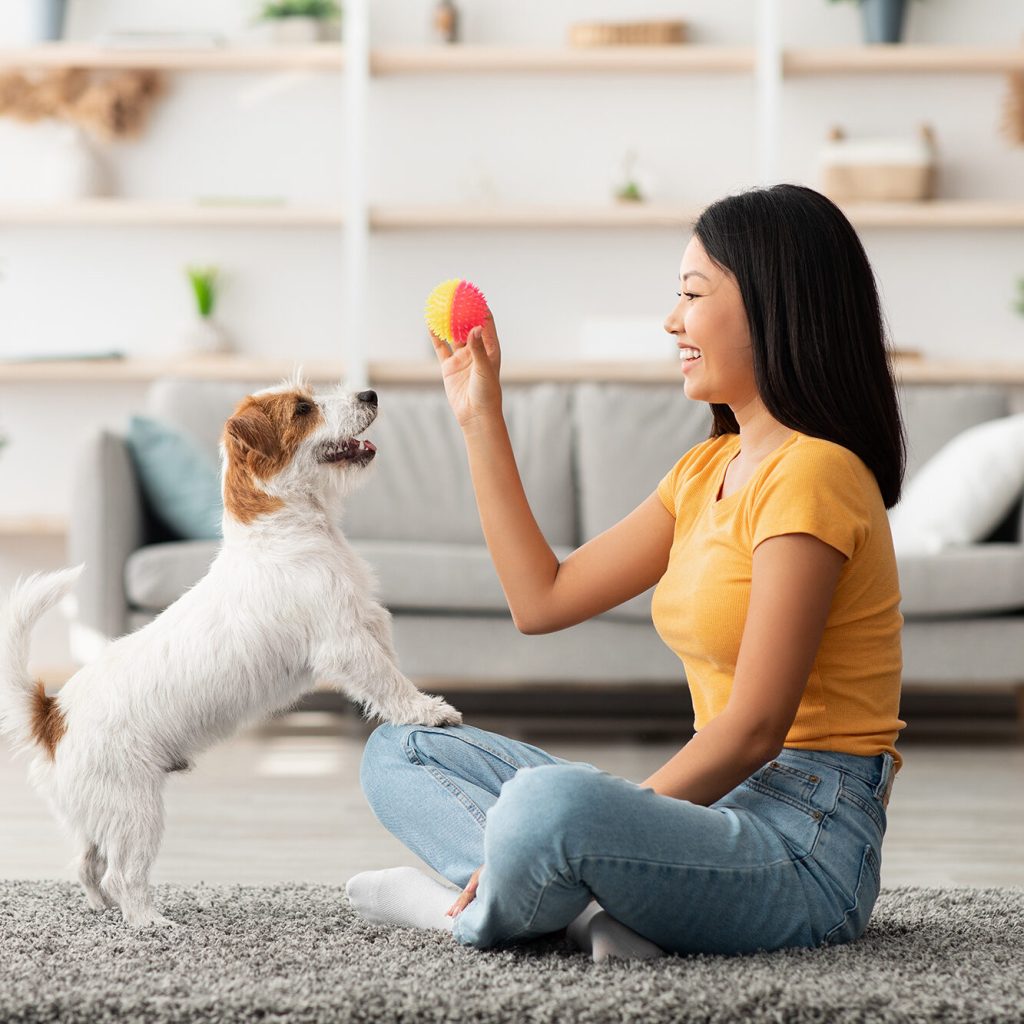
Understanding these factors can empower pet owners to create a nurturing environment for their furry friends. By investing time in both socialization and regular exercise, pet owners not only enhance their pets’ lives but also strengthen the bond they share. As we delve deeper into the significance of these aspects, it’s crucial to recognize that promoting the well-being of our pets is a responsible and rewarding endeavor.
SEE ALSO: Click here to read another article
Fostering Healthy Development through Socialization
The journey of socialization begins from the moment you bring a pet home. It’s vital to understand that pets, whether they are dogs, cats, or even smaller animals, thrive on interaction. Socialization is not merely about allowing pets to interact with one another; it’s about introducing them to a variety of experiences that shape their behavior and future interactions. When pets engage positively with their environment, they learn essential skills that contribute to their overall welfare.
The Building Blocks of Socialization
Introducing pets to various stimuli can create a well-rounded character and has several clearly defined benefits:
- Enhanced adaptability: A pet that is accustomed to different situations—including rides in a car, visits to the vet, or exposure to children—will likely adjust better during stressful circumstances. This ability to adapt not only ensures a healthier emotional outlook but can also save both the pet and owner from challenging situations.
- Social skills development: When pets are regularly exposed to the sights and sounds of other animals and people, they develop important social skills. For instance, a dog that has played with other dogs is less likely to respond aggressively to new canine encounters, while cats that are socialized with various pets are less likely to shy away from new companions.
- Strengthened owner-pet relationships: Regular socialization strengthens the bond between pet owners and their furry companions. Engaging in outings and allowing pets to enjoy new experiences helps foster trust, leading to a more fulfilling companionship.
Nigeria’s vibrant cities, bustling markets, and public parks provide ample opportunities for pet owners to promote socialization. Pet owners should not shy away from taking their pets along during mask-free family events or to community gatherings, as these scenarios can significantly improve their pets’ social skills. For example, during festive seasons, events such as street parades or cultural celebrations can serve as excellent environments for exposing pets to new sights, smells, and sounds.
The Dynamics of Regular Exercise
Exercise is equally critical in the ecosystem of a pet’s well-being. Beyond the physical aspects, regular exercise stimulates mental health, ensuring pets remain lively and engaged. The importance of physical activity can be summarized in the following points:
- Essential for physical fitness: Pets require regular movement to stay fit and healthy. A sedentary lifestyle can lead to weight gain and chronic health conditions. Engaging in daily walks or running encourages an active lifestyle, which is crucial for their longevity.
- Mental stimulation: Boredom can easily lead to destructive behaviors. Regular exercise provides not only physical benefits but also mental stimulation through new experiences, helping to keep dangerous behaviors at bay.
- Social bonding opportunities: Taking pets out for daily walks or play sessions can often lead to spontaneous interactions with other pets and owners, further enhancing both socialization and exercise.
In densely populated areas like Lagos, pet owners are encouraged to think creatively when it comes to exercise. Opportunities abound in parks, open spaces, and even designated dog-walking areas in neighborhoods. Adapting to the urban landscape can ensure that pets receive the necessary physical activity without compromising safety. Whether it’s taking a stroll in the evenings or organizing group play with fellow pet owners, these activities can foster both exercise and socialization.
Understanding the importance of both socialization and regular exercise allows pet owners to create a supportive and enriching environment for their companions. By prioritizing these factors, we lay the foundation for healthier, happier pets that become better integrated into their homes and communities.
| Category | Description |
|---|---|
| Socialization | Socializing pets enhances their emotional and psychological development, leading to happier, more balanced lives. |
| Regular Exercise | Engaging in physical activity with pets fosters bonding and strengthens their physical health, reducing risks of obesity and related diseases. |
Engaging with pets through socialization is crucial because it exposes them to various environments, people, and animals. This exposure helps mitigate fear and aggression, leading to well-adjusted companions. Not walking or playing regularly can result in behavioral issues, as pent-up energy often manifests as destructive behavior or anxiety.Additionally, regular exercise is not just beneficial for the pet’s physical health but also vital for mental stimulation. Activities like fetch, agility training, or even simple walks to the park create an environment for both recreation and discipline. Well-exercised pets tend to display reduced unwanted behaviors, as their energy is channeled productively.The combination of these two elements is fundamental for pet owners who want their furry friends to thrive rather than just survive. In essence, prioritizing both socialization and exercise can significantly extend a pet’s quality of life, ensuring they live longer, healthier, and happier.
SEE ALSO: Click here to read another article
The Role of Training in Socialization and Exercise
While socialization and exercise serve as foundational elements for a pet’s well-being, the integration of training into these activities enhances their effectiveness significantly. Training provides pets with structure and discipline, creating a roadmap for appropriate behavior, and contributing to a harmonious relationship between pets and their owners.
Enhancing Communication through Training
Training not only reinforces desired behaviors but also fosters effective communication between pets and owners. Through training sessions, pets learn to respond to commands, which enhances their understanding of social cues and signals in various environments. Key benefits include:
- Increased safety: A well-trained pet is more likely to listen to commands such as “sit,” “stay,” or “come,” which can prevent dangerous situations. For instance, in bustling Nigerian markets where distractions are abundant, a trained dog is less likely to dart off, ensuring the safety of both the pet and owner.
- Confidence building: Pets that undergo training tend to exhibit greater levels of confidence. Behavioral issues often stem from insecurity or fear, and consistent training can help mitigate these problems, fostering a more self-assured pet.
- Deepened bonds: Training isn’t just about obeying commands; it encourages interaction between the pet and owner. Engaging in positive reinforcement methods during training strengthens the emotional bond, leading to a deeper relationship.
The Importance of Variety in Activities
When it comes to exercise, variety is key to maintaining a pet’s interest and motivation. Pets can easily become bored with repetitive activities, which can hinder the benefits of exercise. Incorporating different forms of exercise not only keeps them physically active but also mentally stimulated. Some engaging options include:
- Agility training: Setting up an agility course can be a fun and challenging way to keep dogs active. Many places in Nigeria, such as community parks or local animal clubs, host agility classes that promote not just physical fitness, but also teamwork between pet and owner.
- Interactive toys: Utilizing puzzle toys that dispense treats as pets play can provide both exercise and mental stimulation. Cats, for instance, can benefit from toys that encourage them to jump and chase, mimicking their hunting instincts.
- Group activities: Organizing playdates with other pets or joining local pet groups for group walks or social gatherings can introduce variety into the exercise routine. This type of engagement provides not only physical exercise but also enhances socialization with both people and other pets.
Health Implications of Regular Exercise and Socialization
The health benefits of regular exercise and socialization extend beyond physical fitness. Research shows that pets, particularly dogs, who are socialized and exercised regularly show significantly reduced stress levels. Stress reduction in pets can lead to:
- Lower risk of behavioral issues: Pets that receive adequate exercise and social interaction are less prone to exhibit behaviors such as excessive barking, chewing furniture, or aggressive tendencies.
- Improved immune function: Just like humans, a well-exercised and socially engaged pet is less susceptible to illness, as regular activity boosts their immune system.
- Longer lifespan: Studies have shown that pets engaged in regular exercise and social interactions tend to live healthier, longer lives due to the overall positive effects on their physical and mental health.
In Nigeria, where traditional views about pet care are evolving, this understanding offers a chance for pet owners to enrich their pets’ lives. By weaving together the threads of socialization, exercise, and training, pet owners can cultivate an environment that nurtures both psychological and physical well-being in their furry companions.
ADDITIONAL INSIGHTS: Expand your understanding here
Conclusion: Elevating Pet Well-being through Connection and Activity
In conclusion, the importance of socialization and regular exercise for pets cannot be overstated. These two elements serve not only as vital components of a pet’s physical health but also play a crucial role in their emotional and psychological development. Engaging pets in social interactions helps them cultivate essential skills for navigating the world, while regular exercise ensures that they remain healthy and energized.
The impact of training on socialization and exercise further enhances the pet-owner bond. By utilizing effective training techniques, owners can cultivate a deeper connection with their pets, promoting trust and understanding. This integrated approach supports the idea that a well-trained and socially adept pet is more than just a well-behaved companion; they become a fulfilling part of our lives.
Moreover, as pet care continues to evolve in Nigeria, embracing innovative activities like agility training and interactive play can contribute significantly to a pet’s happiness and health. These practices not only keep pets physically stimulated but also fulfill their innate need for mental engagement and exploration.
Ultimately, the benefits of regular exercise and socialization extend well beyond the here and now, leading to a healthier, more robust life. As responsible pet owners, making time for these activities every day can ensure that our furry friends not only thrive but also enjoy a richer, more fulfilling life by our sides. Now is the time to advocate for our pets’ well-being and create a community where their needs are met, paving the way for a happier future.