
The Importance of Regular Check-ups: When to Take Your Pet to the Veterinarian
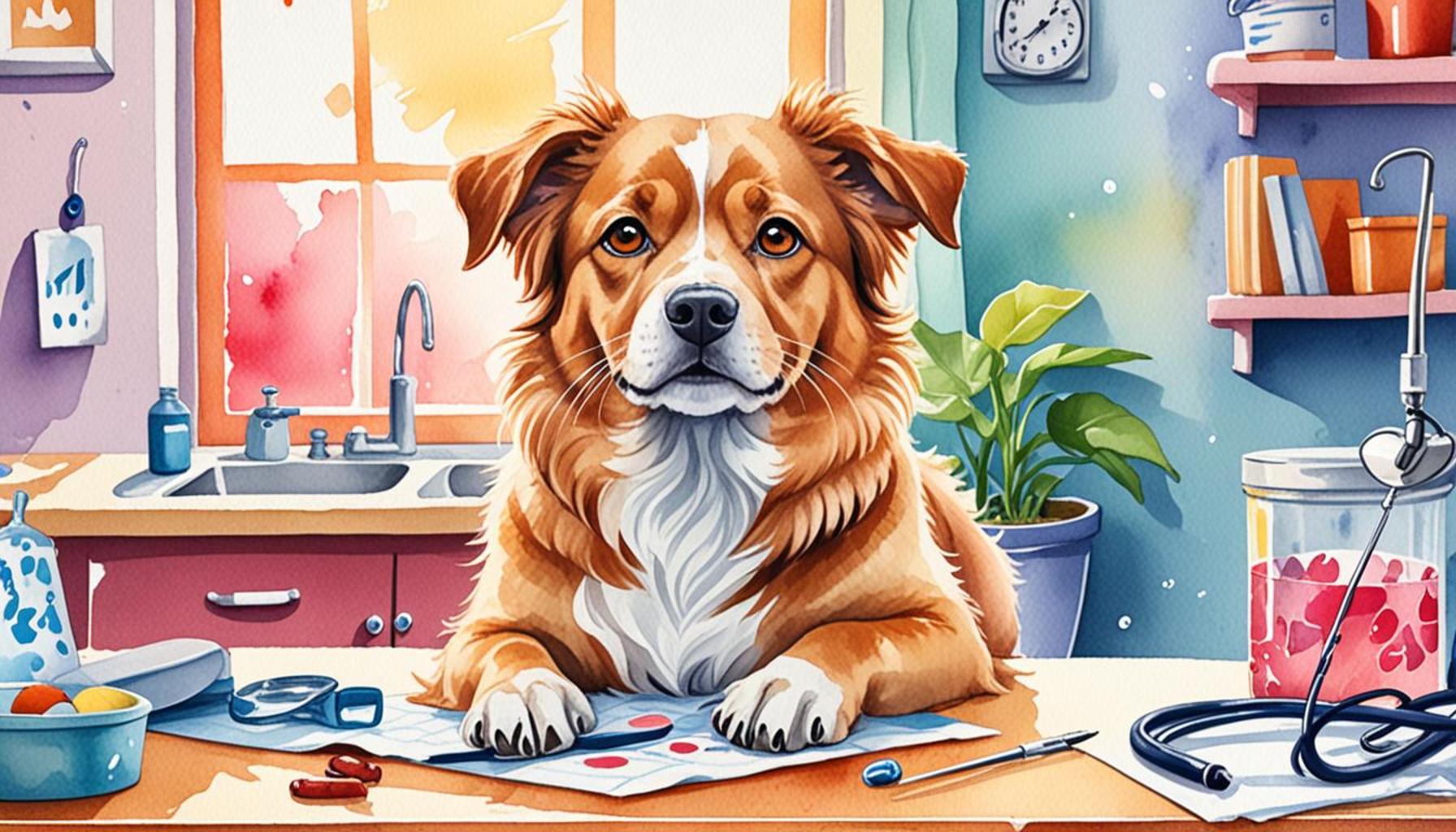
Keeping Your Pet Healthy and Happy
Ensuring the health of your furry companion extends beyond just providing food and shelter. It is essential to recognize that regular veterinary check-ups play a crucial role in maintaining your pet’s overall well-being and can help identify potential health issues before they escalate. In Nigeria, where the accessibility and quality of veterinary services continue to improve, understanding the importance of timely visits to the vet is vital for every pet owner.
Why Regular Check-ups Matter
Much like humans, pets greatly benefit from routine health assessments. Below are some key reasons underscoring the necessity of these check-ups:
- Early Detection: Many serious ailments manifest subtly. Routine veterinary visits can help identify conditions such as diabetes, heart disease, or even cancer in the early stages, allowing for more effective treatments and improved outcomes.
- Vaccinations: Keeping vaccinations up to date is critical, especially in environments where pets are often exposed to other animals. Vaccines protect against various diseases, such as rabies and kennel cough, which can be particularly prevalent in densely populated urban areas.
- Weight Management: Regular evaluations help monitor your pet’s weight and overall condition. Obesity is increasingly prevalent among pets in Nigeria due to overfeeding and lack of exercise. A veterinarian can recommend dietary plans and exercise routines tailored to your pet’s needs.
When to Visit the Veterinarian
In addition to regular check-ups, it’s essential to recognize the signs that may indicate your pet needs to see a vet outside their scheduled appointments. Consider seeking veterinary attention under the following circumstances:
- If there are noticeable changes in your pet’s appetite or behavior, such as lethargy, aggression, or withdrawal from activities they once enjoyed.
- Signs of distress, including limping, excessive panting, or unusual vocalizations, can indicate pain or discomfort that requires immediate attention.
- After your pet has been in contact with sick animals or in unfamiliar environments, such as boarding facilities or crowded parks, it is wise to schedule a check-up to rule out any potential health issues.
By prioritizing routine veterinary care and understanding when to seek help, you are ensuring a healthier, more fulfilling life for your pet. Furthermore, since many communities in Nigeria offer mobile veterinary services and community outreach programs, accessing care has become ever more convenient and affordable. The journey to a happier, healthier companion begins with regular check-ups and a proactive approach to their health.
YOU MAY ALSO LIKE: Read read another article
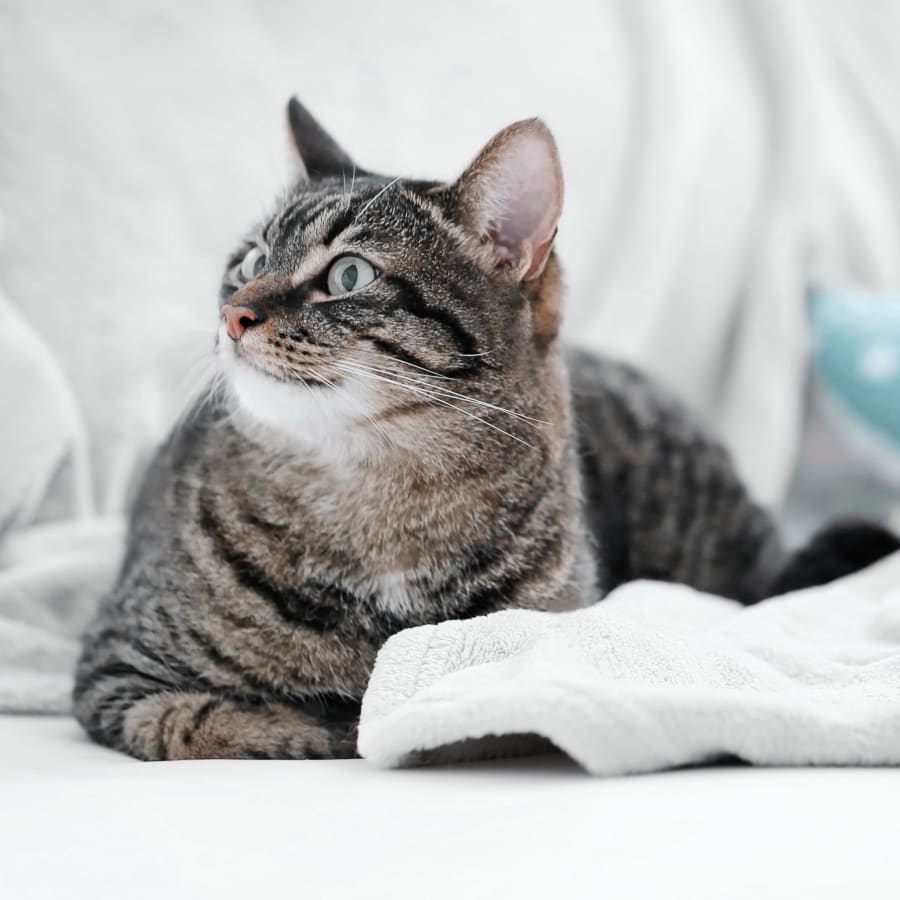
Understanding Your Pet’s Health Needs
Each pet is unique, with their own specific health needs and risks. As a responsible pet owner in Nigeria, it is important to familiarize yourself with these factors, which can vary based on breed, age, and lifestyle. Regular check-ups allow your veterinarian to develop a tailored health plan that suits the individual requirements of your furry friend.
One of the significant advantages of routine veterinary visits is the opportunity to build a relationship with a veterinarian who understands your pet’s history and health trends. This relationship fosters trust and enables the vet to provide more personalized care. In Nigeria, many veterinary clinics are now equipped with advanced diagnostic tools that offer a deeper insight into your pet’s health.
Common Health Concerns for Pets
Many pet owners are often unaware of the specific health concerns affecting animals in Nigeria. Parasite infestations, such as ticks and fleas, are among the most common, posing serious risks to your pet’s health. These parasites can lead to skin infections, allergic reactions, and, in some cases, serious diseases such as Lyme disease. Regular veterinary check-ups can help assess and manage these risks effectively through preventative treatments.
Another major issue facing pets in Nigeria is the rise in communicable diseases. Conditions like rabies, especially in regions where stray animals are prevalent, highlight the need for vaccinations and regular health assessments. Regular vaccinations during check-ups not only safeguard your pet but also contribute to community health by preventing disease outbreaks.
Signs to Watch For
In addition to scheduled check-ups, understanding the warning signs that indicate your pet may need immediate attention is crucial. Some common symptoms include:
- Excessive Thirst: If your pet is drinking more water than usual, this could be a sign of diabetes or kidney issues.
- Changes in Coat: A dull, unkempt, or patchy coat can indicate nutritional deficiencies or skin problems.
- Vomiting or Diarrhea: Frequent vomiting or diarrhea should not be ignored, as these symptoms can lead to dehydration and other serious complications.
- Unusual Breathing: Labored breathing or coughing can indicate underlying respiratory or heart conditions.
Being vigilant about these signs can aid in early diagnosis and treatment, ultimately leading to a better quality of life for your pet. In Nigeria, where veterinary services are becoming more accessible, don’t hesitate to seek professional guidance whenever something feels off with your pet’s health.
In conclusion, regular veterinary check-ups are not just a recommendation; they are a necessity for every pet owner committed to ensuring their pet’s long-term health. Paying attention to your pet’s unique needs, understanding common health issues, and recognizing the warning signs can greatly enhance their overall well-being and happiness.
The Importance of Regular Check-ups: When to Take Your Pet to the Veterinarian
Understanding when to schedule a veterinarian visit for your pet is crucial for maintaining their overall health. Regular check-ups not only help in preventing illnesses but also facilitate early detection of potential health issues. Veterinary professionals recommend routine examinations at least once a year for adult pets and more frequently for puppies and kittens.
Regular check-ups typically include a comprehensive physical examination where a veterinarian assesses the pet’s weight, coat condition, and overall demeanor. These visits can also provide the opportunity for vital vaccinations tailored to your pet’s lifestyle, which are essential for preventing serious and potentially fatal diseases.
Another vital aspect of these check-ups involves discussing your pet’s behavior and diet with your veterinarian. Changes in behavior or appetite can be early signs of health problems, and monitoring these aspects allows for timely intervention. Moreover, many pets suffer from dental diseases, which can lead to significant pain and social withdrawal; thus, dental check-ups should also be a part of the visit.
It’s important to maintain an open line of communication with your veterinarian about your pet’s activities, breeds, and existing health conditions. This information can significantly influence the need for additional tests or specialized care.
| Category | Importance |
|---|---|
| Preventive Care | Regular check-ups keep your pet healthy by preventing diseases before they start. |
| Early Detection | Veterinarians can identify health issues early, increasing the chances of successful treatment. |
Establishing a routine veterinary schedule not only enriches your pet’s life but also brings peace of mind to you as an owner. A well-cared-for pet is a happy pet, and regular veterinary visits play a key role in achieving that happiness.
ADDITIONAL INSIGHTS: Expand your understanding here
Preventative Care: Your Pet’s Best Defense
Preventative care is the cornerstone of your pet’s health maintenance. Regular veterinary visits facilitate an early detection approach to health issues that often go unnoticed. Conditions like dental disease, often overlooked by pet owners, can lead to severe health concerns if not addressed. According to the American Veterinary Medical Association (AVMA), by the age of three, over 80% of dogs and 70% of cats have some form of dental disease. In Nigeria, where access to veterinary dental care may be limited, it becomes vital to ensure your pet receives routine oral examinations. Factors such as oral hygiene, diet, and breed predispositions should be discussed with your veterinarian during routine check-ups.
Additionally, nutritional guidance is a critical aspect of preventative care. As pets age or undergo lifestyle changes, their dietary needs may shift. Your veterinarian can offer recommendations tailored to your pet’s current state of health, activity level, and age. A well-balanced diet can substantially reduce the risk of obesity, which is a growing concern for pets, contributing to lifelong health problems such as diabetes or joint issues.
Age-Specific Check-Up Recommendations
Recognizing the vital milestones in your pet’s life can aid in determining the appropriate timing for check-ups. For puppies and kittens, the first year is essential for vaccinations and health screenings. Throughout this period, a schedule of vaccinations, including those for canine distemper, rabies, and feline leukemia, should be established. In many Nigerian veterinary centers, comprehensive puppy and kitten packages are offered to streamline this process.
As pets transition into their senior years, usually around seven years of age, more frequent check-ups may be necessary. The risks for chronic health conditions such as arthritis, kidney issues, and cancer increase with age. Veterinarians often recommend bi-annual check-ups for senior pets, in which comprehensive bloodwork, urinalysis, and physical examinations become a routine part of the assessment.
The Importance of Spay and Neuter Procedures
Moreover, spaying and neutering are procedures strongly recommended during regular veterinary check-ups. The benefits extend beyond preventing unwanted litters; these surgical interventions can reduce the risks associated with certain cancers and other health conditions. In Nigeria, the stray population continues to rise in urban areas, making spaying and neutering even more critical. Programs advocating these services are essential in controlling the population and improving the health of local animals.
Emergency Situations: Knowing When to Act
While regular check-ups are vital for maintaining health, being prepared for emergencies is equally crucial. Pets can experience sudden health crises, such as injuries or allergic reactions, that require swift veterinary attention. Understanding your pet’s usual behavior can help detect changes that may warrant a visit to the vet. In Nigeria, availability of 24-hour emergency veterinary services varies, so knowing your local emergency options becomes invaluable.
In a region where awareness of pet health issues is still evolving, educating yourself is key. Resources such as local veterinary hospitals, discussions on social media platforms, and community pet events can all serve as learning opportunities to better prepare you and enhance your pet’s care.
YOU MAY ALSO LIKE: Read read another article
Conclusion: Prioritizing Your Pet’s Health
In conclusion, the importance of regular check-ups cannot be overstated when it comes to your pet’s well-being. These routine visits to the veterinarian are essential not only for monitoring your pet’s health but also for identifying potential issues before they escalate into serious health concerns. As highlighted throughout this article, early detection is crucial in managing conditions that are often overlooked, such as dental diseases and obesity. Regular visits ensure that your pet receives the necessary preventative care, which includes vaccinations, nutritional guidance, and important age-specific assessments.
Moreover, with the diverse health needs of pets across various life stages—from the playful energy of puppies and kittens to the more delicate requirements of senior animals—timely veterinary interventions can make all the difference. Spaying and neutering can significantly impact pet health and community welfare, tackling the issue of increasing stray populations in Nigeria.
Additionally, it is vital to remain vigilant for signs of distress or sudden health changes in your pet, as emergencies can arise without warning. Being proactive and aware, alongside a solid relationship with your local veterinarian, ensures that your pet receives optimal care. As pet owners in Nigeria, taking the initiative to become educated about these health matters will not only improve your pet’s quality of life but also contribute to a larger movement towards responsible pet ownership and veterinary accessibility. Invest in those regular check-ups—your furry companion will thank you for it!