
The Importance of Emotional Well-Being in Pets

The Emotional Landscape of Our Companions
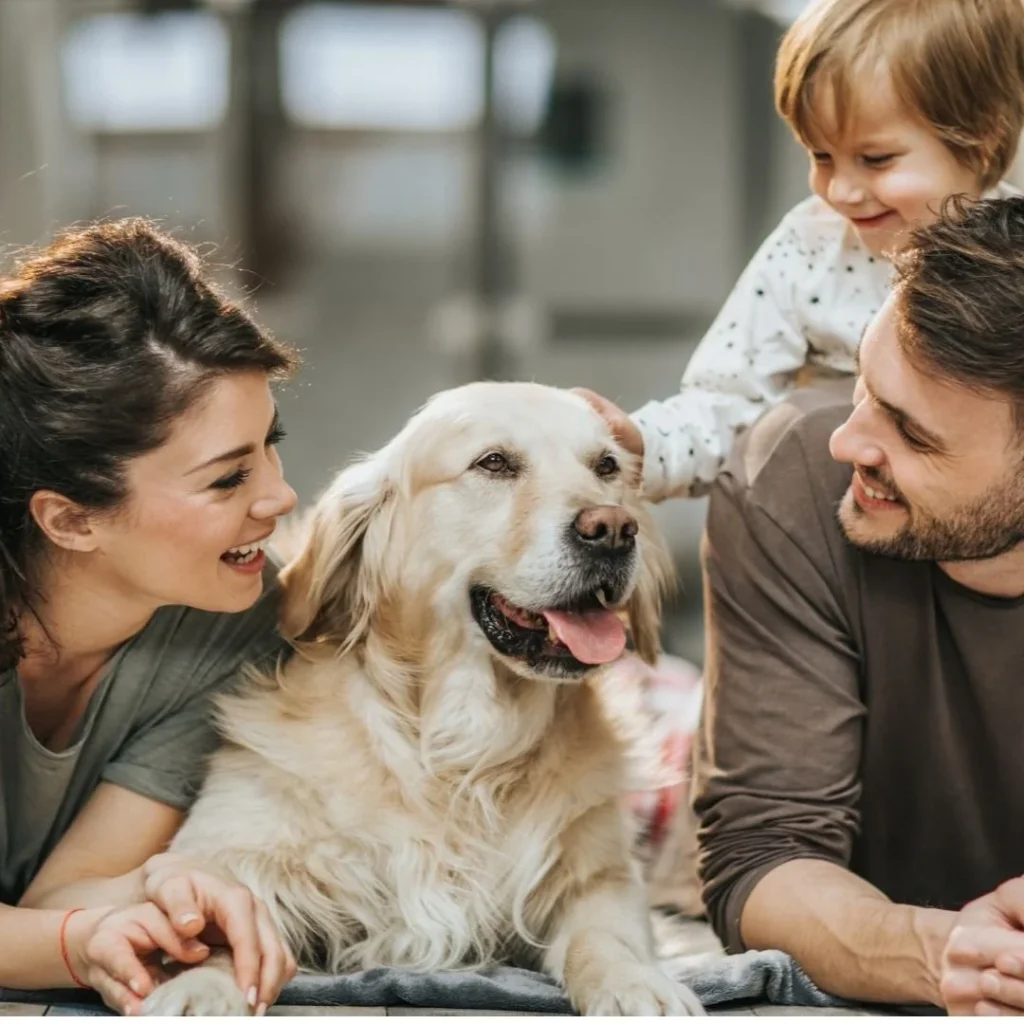
Just like humans, pets experience emotions that profoundly affect their overall health and behavior. The bond we share with our furry friends goes beyond basic needs, encompassing their emotional well-being, which plays a pivotal role in their happiness and stability. Understanding this vital aspect is crucial for nurturing a fulfilling life for these cherished companions, thereby reinforcing the human-animal bond.
The emotional well-being of pets influences several key areas of their lives:
- Behavioral Patterns: Emotional distress can manifest in various behavioral issues. Pets suffering from stress or anxiety may engage in destructive behaviors such as chewing furniture, excessive barking, or hiding. For instance, dogs left alone for long periods might exhibit signs of separation anxiety, which can lead to detrimental impacts on both their environment and mental state.
- Physical Health: The connection between emotions and physical health in pets is profound. A negative emotional state can predispose them to conditions such as obesity, heart disease, or gastrointestinal problems. For example, a cat that feels insecure in its environment might stop eating properly, leading to malnutrition or weight loss. Similarly, chronic stress can weaken a pet’s immune system, making them more susceptible to illnesses.
- Bonding: Pets with good emotional health are generally more social, interactive, and affectionate. They are more likely to seek out companionship, not just from humans but from other animals as well. Effective bonding with pets fosters mutual trust and promotes a happier living environment for both pets and owners.
In a vibrant country like Nigeria, it’s essential to be attentive to the emotional needs of our pets. Cultural perceptions may sometimes lead to the belief that creatures require only proper nourishment and shelter to thrive. However, socializing plays a crucial role, especially in urban areas where pets may not have as much freedom to roam. Recognizing the signs of emotional distress—like changes in appetite, lethargy, or unusual aggression—can significantly enhance a pet’s quality of life.
For many Nigerian pet owners, creating a supportive environment means spending quality time with their animals, which can include activities like playful interaction or even training sessions that stimulate their pets mentally. Local parks can be excellent venues for socializing pets and allowing them to express their playfulness in safe settings.
By delving into the significance of emotional well-being in pets, we can significantly enhance their lives and ours. Let’s explore ways in which we can be more attuned to the emotions of our pets, ensuring that their happiness is reflected in every wag and purr. Through a blend of love, care, and understanding, we can create environments that foster emotional stability for our beloved companions.
RECOMMENDED: Check out this similar article
Understanding the Emotional Needs of Pets
As guardians of our beloved animals, it is imperative to recognize that their emotional health is just as important as their physical needs. The emotional landscape of our pets can significantly influence their behavior and overall quality of life. Emotional well-being encompasses various aspects of a pet’s life, including socialization, mental stimulation, and the safety of their environment. Each factor plays a crucial role in their happiness and stability.
In understanding the emotional needs of our pets, it is vital to identify the common signs of emotional distress. Recognizing these signs can lead to timely intervention, helping to improve their quality of life. Some prevalent indicators include:
- Loss of Appetite: A sudden change in a pet’s eating habits could signal emotional distress. For instance, a once-enthusiastic dog refusing their favorite food may be experiencing anxiety or sadness.
- Excessive Grooming: Pets that are emotionally unwell might over-groom themselves, which can lead to skin irritations or bald patches. This behavior can be particularly evident in cats, who may groom obsessively as a coping mechanism.
- Destructive Behaviors: Pets may respond to stress or anxiety by destroying household items, excessive barking, or digging. Such actions are cries for help, indicating their inability to cope with their feelings.
- Social Withdrawal: A previously social pet might start avoiding interaction with family members or other animals, preferring to hide or isolate themselves in quiet spaces.
In Nigeria, where pet ownership is rising, it is essential to prioritize the emotional wellness of pets. Cultural nuances often dictate how we perceive and address our pets’ needs. Many believe that a warm home and good food suffice for their care. However, it is crucial to go beyond the basics. Just as humans thrive on emotional support, so too do our pets, who thrive on love and companionship.
To foster emotional well-being in pets, pet owners can engage in various activities that nurture their relationship. Simple actions such as incorporating regular playtime, training sessions, or even daily walks can enhance the emotional bond between pet and owner. Creating a positive and stable atmosphere at home is equally important; providing a safe haven where pets feel secure can greatly alleviate feelings of anxiety.
Acknowledging and addressing emotional health is not merely an added benefit but a fundamental aspect of responsible pet ownership. With the right investments in emotional care, pet owners can witness the transformation in their companions—faithful friends who exude joy and vitality. By leaning into the emotional needs of our animals, we partake in a reciprocal relationship that promotes well-being for both pet and owner alike.
| Emotional Connection | Benefits of Strong Bonds |
|---|---|
| Quality Time | Spending time with pets enhances emotional connections, leading to happier, more secure animals. |
| Behavioral Improvements | An emotionally balanced pet exhibits fewer behavioral issues, making for a harmonious household. |
| Mental Stimulation | Cognitive Health |
|---|---|
| Interactive Games | Engaging pets with games promotes their mental health and emotional well-being. |
| Routine Activities | Establishing routines helps create a sense of security, reducing anxiety in pets. |
Understanding the importance of fostering emotional well-being in pets is essential for pet owners aiming to create a nurturing environment. A deeper emotional connection not only translates to happier pets but also leads to improved interactions within the family unit. Over time, the bond between humans and their pets can lead to enhanced mental stimulation and cognitive health, ensuring that our beloved companions lead fulfilling lives. Exploring activities that support emotional well-being will contribute to thriving, well-adjusted pets.
ADDITIONAL INSIGHTS: Expand your understanding here
Enhancing Emotional Well-Being Through Engagement
To fully appreciate the importance of emotional well-being in pets, it is essential to explore how active engagement can profoundly affect their mental state. Emotional enrichment not only benefits our pets, but it also leads to a more rewarding relationship between pet and owner. Investing time in activities that foster emotional growth can be transformative. As the traditional adage goes, “A happy pet makes a happy home.”
Interactive Play is one of the most effective methods to enhance a pet’s emotional well-being. Engaging with pets through fetch, tug-of-war, or puzzle toys stimulates their minds and encourages physical activity. In Nigeria, where dogs are increasingly becoming family members, involving them in daily interactions can strengthen bonds and mitigate feelings of loneliness. For instance, using local resources like open parks or community fields can provide ample opportunity for off-leash experiences, allowing dogs to socialize with others and partake in spontaneous adventures.
Furthermore, mental stimulation is as crucial as physical play. Activities such as teaching new tricks or introducing scent games can be beneficial. Dogs and cats alike thrive on mental challenges, which keep them alert and engaged. In Nigeria, pet owners can also utilize traditional games, like “find the treat” or hide-and-seek, which not only caters to the pet’s natural instincts but also forges closer relationships through shared experiences.
Another crucial aspect of guaranteeing emotional well-being involves establishing consistent routines. Animals, much like humans, find comfort in repetition and predictability. A stable daily schedule for meals, walks, and playtime can help reduce anxiety and foster a sense of security. For example, many Nigerian pet owners often follow cultural rhythms in their households that can be integrated into their pets’ routines, mitigating distress caused by sudden changes.
The concept of socialization cannot be overlooked when discussing emotional well-being in pets. Exposing pets to different environments, people, and other animals can build confidence and ease anxiety. Participating in pet-friendly events or joining social pet groups can encourage this process. By fostering a sense of community amongst pet owners and ensuring regular interactions with a diverse range of experiences, we prepare our pets for the complexities of modern life.
Creating a safe environment within our homes is equally significant in fostering emotional health in pets. This includes ensuring that pets have their designated spaces or safe zones where they can retreat when feeling overwhelmed. A corner filled with cozy bedding, their favorite toys, and familiar scents can give them a secure sanctuary. In many Nigerian households, having a corner or specific room designated for a pet can help create this safe haven, allowing them the space to relax and recharge.
Importantly, pet owners should remain attentive to their pets’ mental health. Just as we reflect on our own feelings, we should watch for subtle shifts in our pets’ behaviors. Maintaining an open line of communication with local veterinarians, who are increasingly focusing on holistic pet care, can lend guidance on proper emotional support practices.
Education plays a pivotal role in advancing the emotional well-being of our pets. Pet owners must be educated on understanding animal behavior, which can help in recognizing signs of distress ahead of time. Local seminars, workshops, and online resources can provide excellent education—which is vital in identifying and addressing health concerns early.
By prioritizing these elements of engagement, routine, social interaction, and education, pet owners in Nigeria can significantly contribute to their companions’ emotional well-being, creating a happier and more fulfilling life for all involved.
RECOMMENDED: Check out this similar article
Conclusion: The Vital Role of Emotional Well-Being in Pets
In summary, the importance of emotional well-being in pets cannot be overstated. Our furry companions, whether dogs, cats, or other animals, have unique emotional landscapes that require attention and care. By understanding and nurturing their emotional needs, we not only enhance their quality of life but also strengthen the bond between pet and owner. The integration of engagement activities, consistent routines, and socialization fosters resilience and happiness in our pets, enabling them to thrive in modern households.
Moreover, as the landscape of pet ownership evolves in Nigeria, it is imperative to educate ourselves about animal behavior and emotional health. Local workshops, online resources, and valuable insights from veterinarians can empower pet owners to identify signs of distress and provide necessary interventions. By dedicating time and resources to the emotional well-being of our pets, we create an environment where they feel safe, valued, and loved.
Ultimately, the pursuit of emotional enrichment leads to a harmonious home for both pets and their owners. A happier pet not only contributes to a peaceful household but also enhances the lives of everyone around them. Let us commit to ensuring that our pets enjoy emotional wellness, paving the way for joyful days filled with companionship, adventure, and an unbreakable bond that enriches our lives.