
The Benefits of Mental Health for Pets: How to Reduce Stress and Anxiety in Pets

The Importance of Pet Mental Well-being
In today’s fast-paced world, the mental health of our four-legged companions is often overlooked. Pets, like humans, experience stress and anxiety. Recognizing and addressing these issues is essential for their overall well-being. Just like us, pets can face various mental health challenges, which can manifest in changes in behavior, appetite, and overall demeanor.
It’s not just about physical health; a healthy mind contributes to:
- Better behavior: Reducing anxiety can lead to calmer and more manageable pets. For instance, a dog that feels secure in its environment is less likely to engage in destructive behaviors such as chewing furniture or excessive barking.
- Enhanced bonding: Understanding mental health creates a deeper connection between pet and owner. When owners are mindful of their pet’s emotional state, they can respond with compassion, thereby strengthening their bond.
- Improved longevity: Less stress can help prolong your pet’s life. Studies suggest that pets living in low-stress environments are often healthier, subscribe to a better quality of life, and can have an extended lifespan.
Factors Contributing to Pet Stress in Nigeria
For pet owners in Nigeria, it’s vital to be aware of local factors that contribute to pet stress. These may include:
- Environmental changes: Sudden noises, such as traffic or fireworks, can be particularly distressing for pets. For example, many dogs experience extreme anxiety during festive periods, like the New Year, due to firecrackers.
- Low-quality nutrition: A pet’s mood and energy levels can be significantly impacted by its diet. Inadequate nutrition can lead to irritability and lethargy, making it essential to invest in quality pet food available at local markets or specialty stores.
- Lack of socialization opportunities: In urban settings, many pets may not have enough opportunities to interact with other animals and people. This lack of socialization can lead to feelings of isolation and fearfulness, particularly in dogs.
Steps to Support Your Pet’s Mental Health
By focusing on mental health, we can significantly reduce stress and anxiety in pets. Implementing simple techniques can make a profound difference in your pet’s life. Engaging in regular playtime is crucial; spend time throwing a ball or engaging them in interactive toys to stimulate their minds and body.
Creating a safe space is equally important. A designated area in your home where your pet can retreat when feeling overwhelmed can foster a sense of security. Whether it’s a cozy corner with their favorite blanket or a quiet room away from distractions, providing such an environment can help mitigate stress.
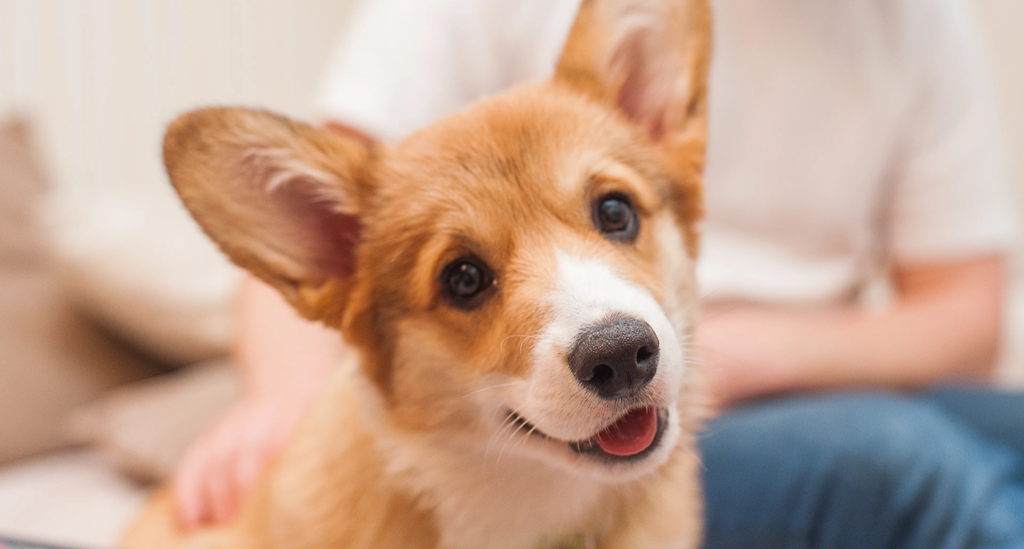
Furthermore, consider engaging a local veterinarian or pet behaviorist to discuss tailored strategies for your pet’s specific needs. The journey to understanding and supporting your pet’s mental health starts here, leading to a happier, healthier life together.
CHECK OUT: Click here to explore more
Understanding Pet Stress and Anxiety
To effectively tackle pet stress and anxiety, it’s essential to first understand the signs and symptoms that indicate a pet is experiencing mental distress. Pets may exhibit behaviors that are often dismissed but can be clear indicators of their emotional state. Here are some common signs to monitor:
- Aggression: An otherwise friendly dog or cat may start to show aggression if it feels threatened or stressed. This can manifest as growling, hissing, or snapping.
- Excessive barking or meowing: Unusual vocalizations can indicate that a pet is anxious, particularly if triggered by environmental stimuli or changes in routine.
- Increased hiding or withdrawal: Pets that feel stressed may seek solitude. A sudden desire to hide or an unwillingness to engage with family members can be a cry for help.
- Destructive behavior: Chewing, scratching, or digging can be an outlet for anxious energy. That’s why understanding the root cause of these behaviors is crucial for finding effective solutions.
- Changes in appetite: A noticeable shift in eating habits, whether that’s increased eating or a complete loss of appetite, can suggest that your pet is under emotional strain.
Recognizing these signs early allows pet owners to act promptly and seek appropriate interventions that can enhance their pets’ mental health. It’s vital not just for immediate relief but also for long-term emotional stability.
Benefits of Early Intervention
Acting quickly to address stress and anxiety in pets can result in numerous benefits that extend beyond mere behavior correction. Some of the key advantages include:
- Increased trust: When pets see their owners actively trying to help alleviate stress, it builds trust. They will feel more secure in their environment and develop a stronger bond with their humans.
- Preventing future problems: By addressing anxiety early, you can help prevent more severe behavioral issues from developing. Long-term stress can lead to health issues that may be costly to treat.
- Improved interaction with other animals: Calm pets are more likely to interact positively with other animals and humans, enhancing their socialization skills and overall happiness.
For pet owners in Nigeria, understanding the local environment and how it shapes a pet’s experiences contributes to better mental health management. The hustle and bustle of city life, along with unpredictable weather conditions and noise levels, all play a role in how pets perceive their surroundings. By gaining insights into their specific needs, pet owners can create a nurturing and supportive environment.
In the journey toward improving your pet’s mental health, it’s also crucial to seek professional advice. Local veterinarians can offer insights tailored to your pet’s breed and lifestyle, helping to guide you in promoting a balanced emotional state.
| Category | Description |
|---|---|
| Emotional Support | Pets can provide vital emotional support that helps reduce anxiety in their owners. |
| Physical Activity | Engaging with pets through walking or playing promotes physical activity, which is essential for mental health. |
| Routine and Structure | Pets thrive on routine, providing their owners with a structured daily schedule that can alleviate stress. |
| Bonding Time | Interacting with pets fosters bonding opportunities, boosting overall happiness and reducing anxiety levels. |
Understanding the emotional landscape of pets is crucial, as stress and anxiety can mirror our struggles. Just as we seek comfort in companionship, pets also benefit from our presence. Providing an emotionally stable environment for pets not only enhances their wellbeing but contributes significantly to their mental health. When humans and pets engage in shared activities, the positive effects can be profound. Mutual affection and interaction can break down barriers of loneliness, enabling both to thrive emotionally and psychologically.Innovation in pet care has led to a plethora of resources dedicated to improving mental health for pets. Techniques such as mindfulness exercises catered for pets, tailored environmental enrichments, and understanding body language contribute to a stress-free existence for our furry friends. Promoting good mental health for our pets leads to happier lives, stronger bonds, and a more fulfilling experience for both parties involved. Exploring these avenues in greater depth unveils a world where both pets and owners flourish amidst the challenges of daily life.
ADDITIONAL INSIGHTS: Expand your understanding here
Strategies for Reducing Stress and Anxiety in Pets
Implementing effective strategies to manage stress and anxiety is essential for enhancing the mental well-being of your pets. With resources and practices that cater to their unique needs, pet owners can create a calm and nurturing environment. Here are some proven strategies that can make a significant difference:
1. Routine and Structure
Pets thrive on routine. Establishing a consistent daily schedule for feeding, walks, and playtime can greatly reduce anxiety. This predictability helps pets feel more secure about their surroundings. For instance, in vibrant urban areas like Lagos where life can sometimes be chaotic, a structured routine provides a comforting anchor for pets amidst uncertainty.
2. Safe Spaces
Creating a safe space for your pet within your home is crucial. This can be a cozy corner with their bed, favorite toys, or blankets. Ensure that this space is free from loud noises and disturbances, giving your pets refuge where they can retreat when feeling anxious. It can be especially useful during events like parties or festivities, which are prevalent in Nigerian culture.
3. Engage in Physical Activity
Regular exercise is another effective method for reducing anxiety levels in pets. Taking dogs for walks or engaging in play sessions helps to burn off excess energy, leading to a calmer demeanor. In Nigeria, outdoor activities can be enhanced by introducing your pet to familiar parks or safe open spaces where they can socialize with other pets—and for that, proper leash and harness usage is paramount for safety.
4. Training and Socialization
Socialization plays an integral role in a pet’s emotional development. A well-rounded education that includes training sessions can build confidence and alleviate fears. Consider enrolling your dog in training classes or organizing playdates with other animals. For cats, interactive play sessions that stimulate their natural instincts are beneficial. Proper training not only strengthens the bond with pets but also fosters positive behavior, ultimately reducing anxiety.
5. Calming Tools
There’s a range of calming tools and products available specifically designed to help alleviate stress in pets. Consider using pheromone diffusers for dogs and cats that mimic natural calming scents. Additionally, anxiety wraps or vests, which apply gentle pressure, can provide comfort in stressful situations. Some pet owners may also explore natural supplements with calming properties, although consultation with a veterinarian is advisable.
6. Mindful Enrichment
Engaging pets mentally can be just as vital as physical stimulation. Incorporating enrichment activities that challenge their minds can distract them from anxieties. Puzzle toys that dispense treats, scent trails, or basic agility exercises encourage focus, providing mental engagement while reducing stress levels. Simple activities like hiding treats around the home can promote exploration and satisfaction for your pet.
Incorporating these strategies into your pet’s daily life not only combats stress but enriches their experience, leading to a happier, healthier pet. The goal should be to foster a supportive environment where pets feel loved and secure, helping them navigate their unique emotional landscapes. As you begin to implement these changes, remain observant and patient, noting how your pet responds to different approaches. This proactive involvement can lay the groundwork for an emotional investment that pays dividends in your pet’s overall happiness and well-being.
YOU MAY ALSO LIKE: Read read another article
Conclusion: Prioritizing Mental Well-being for Pets
As pet owners in Nigeria, recognizing the importance of mental health for our pets is a vital step toward fostering their overall happiness and well-being. The strategies discussed, from establishing daily routines to providing safe spaces, play a crucial role in mitigating stress and anxiety in our furry companions. It is essential to understand that just as humans benefit from a balanced emotional state, our pets equally deserve a nurturing environment that promotes mental stability.
With tailored approaches like regular physical activity, socialization, and the use of calming tools, pet owners can significantly influence their pets’ emotional health. Engaging in mindful enrichment not only keeps their minds active but also strengthens the bond between pets and their owners. Nigerian pet owners can further enhance this experience by exploring local parks and community events, integrating social interactions that reflect the unique vibrancy of our culture.
Ultimately, by being observant and proactive in applying these strategies, we can help our pets navigate their emotional landscapes with ease. The journey towards better mental health for pets is not just about reducing anxiety but enhancing their quality of life. As you make these changes, remember that each pet is unique and may respond differently to various strategies. Continuously nurturing this emotional investment will foster a happier, healthier relationship with your pets, benefiting both them and you. By prioritizing mental health for pets, we ensure that they flourish in our care, enjoying a life filled with love, joy, and security.