
Preventive Care: Vaccination and Regular Check-ups for Pets
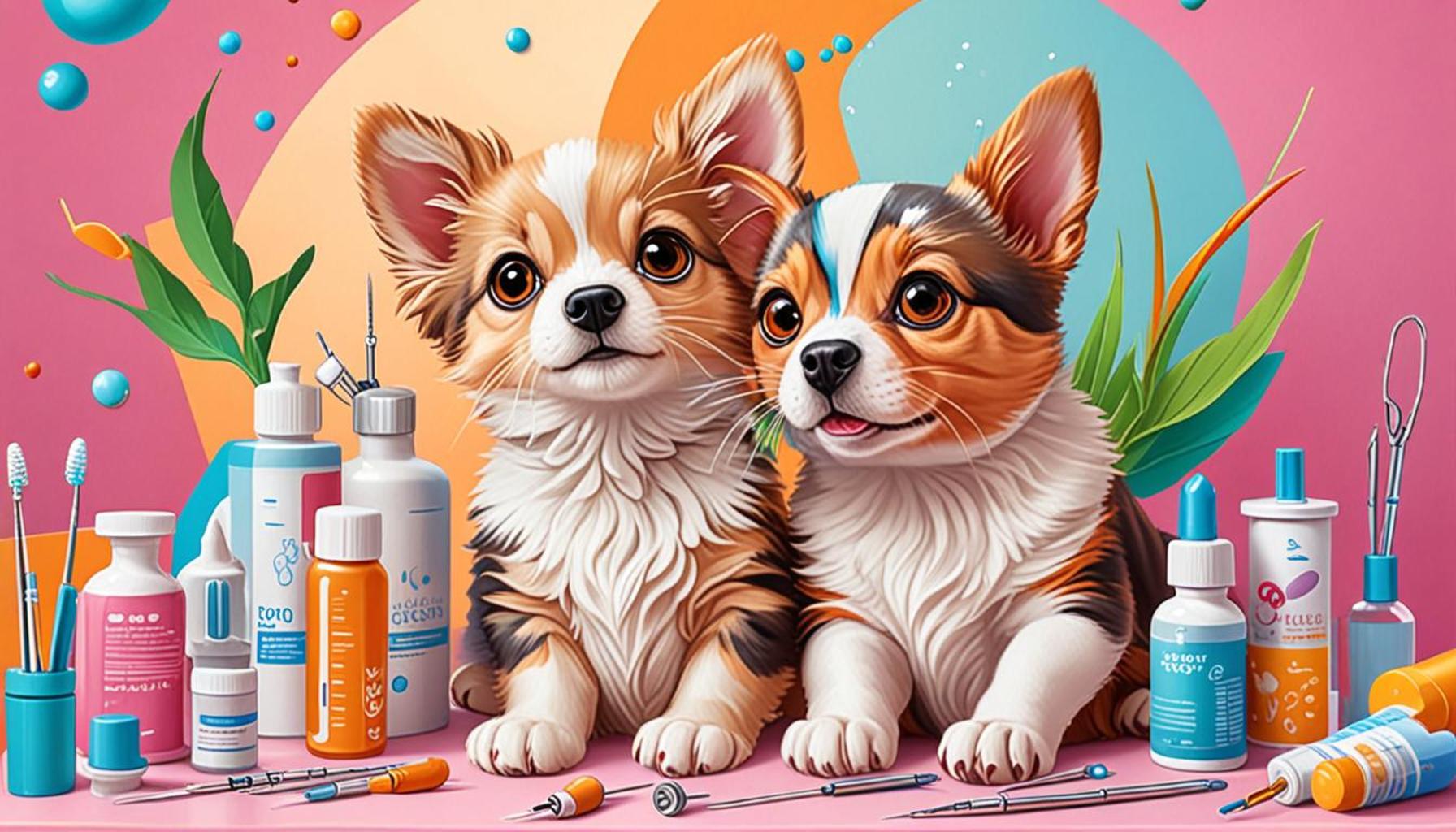
The Importance of Preventive Care for Pets
As a pet owner, ensuring the health and well-being of your furry friends is paramount. One of the most effective ways to achieve this is through preventive care, which encompasses vaccination and regular check-ups. These practices are essential to keeping your pets healthy and preventing serious illnesses.
In Nigeria, where pet ownership is increasing, the importance of preventive care cannot be overstated. With a growing number of households embracing pets as family members, understanding the intricacies of preventive care is crucial for both new and seasoned pet parents alike. Here are some key benefits:
- Prevention of Disease: Vaccinations protect pets from diseases such as rabies, parvovirus, and distemper, which can pose serious threats to their health. For instance, rabies is a lethal viral disease that can be transmitted to humans, making vaccination vital for both pet and public safety.
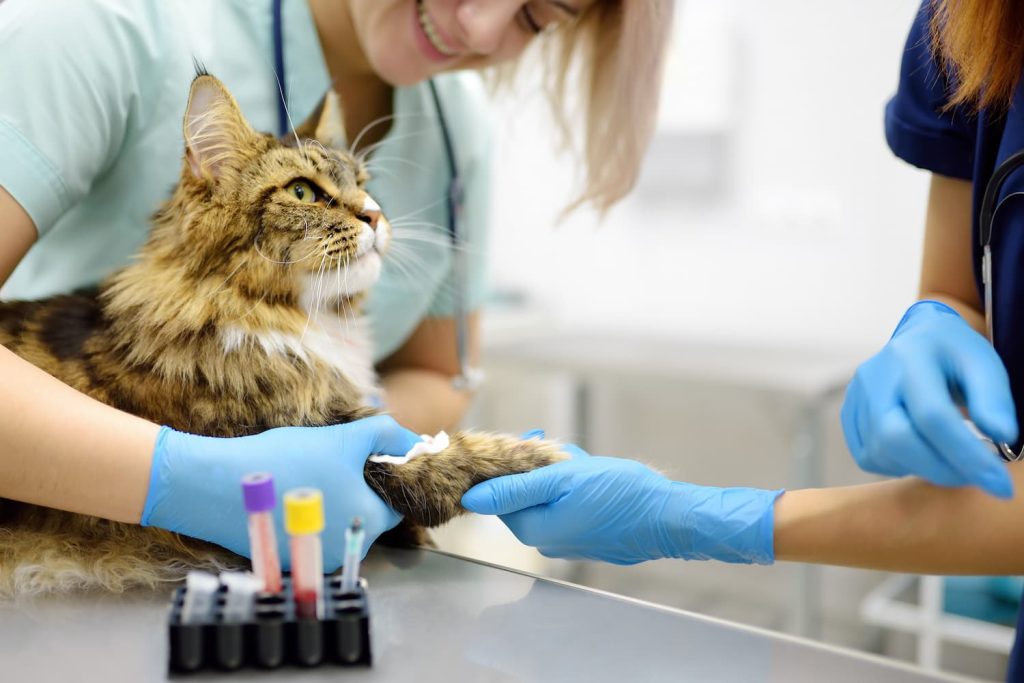
- Early Detection: Regular check-ups allow veterinarians to catch health issues before they escalate. During these visits, vets can perform essential tests, such as blood work and imaging, to identify conditions like heartworm or kidney disease, which could prove life-threatening if left untreated.
- Longer Lifespan: Healthier pets tend to live longer, happier lives when properly cared for. With appropriate preventive measures, many common ailments can be managed or avoided, significantly increasing a pet’s quality of life and longevity.
Moreover, preventive care can actually save pet owners substantial veterinary costs over time. While routine vaccinations and check-ups may seem like an expense, they are an investment in your pet’s long-term health and can help avoid high costs related to emergency treatments or advanced diseases. For example, the cost of treating advanced-stage parvovirus is significantly higher than maintaining proper vaccination schedules.
Regular vet visits also provide crucial opportunities for pet owners to gain insights into their pets’ nutrition, behavior, and general care practices. For example, your veterinarian can recommend dietary adjustments based on your pet’s age, size, and activity level, which can further enhance their overall health.
In this article, we will explore the vital aspects of preventive care, detailing vaccination schedules and what to expect during regular vet visits. We’ll also discuss the often-overlooked role of pet insurance in facilitating preventive care and how it can lead to less stress when unexpected health issues arise. Join us as we delve into fostering a healthy, vibrant life for your pets, because providing them with the best preventive care is ultimately about ensuring their happiness, and yours as a pet owner.
YOU MAY ALSO LIKE: Read read another article
Understanding Vaccination for Pets
Vaccination plays a pivotal role in preventive care for pets, serving as a first line of defense against a variety of infectious diseases. In Nigeria, where many pets are exposed to a range of environmental and social factors, staying up-to-date with vaccination schedules is crucial for safeguarding their health. There are several core vaccines recommended for pets, particularly dogs and cats.
- Canine Vaccines: For dogs, vaccinations typically begin at 6-8 weeks of age, with boosters administered every 3-4 weeks until they are about 16 weeks old. Key vaccines include the DHPP vaccine, protecting against distemper, hepatitis, parvovirus, and parainfluenza, as well as the rabies vaccine, which is not just vital for dog health but a legal requirement in many places due to rabies being a zoonotic disease that can affect humans.
- Feline Vaccines: Cats also require vaccinations to protect against conditions such as feline panleukopenia, calicivirus, and rhinotracheitis. These vaccines are usually administered in a series starting from 6-8 weeks old, ensuring that your feline friend builds immunity early in life.
Additionally, the decision on whether to vaccinate against non-core diseases may depend on lifestyle and geographical risks. For instance, if your pet frequently interacts with other animals or spends time outdoors, vaccines against conditions like leptospirosis or feline leukemia may be recommended. Consulting with a veterinarian can provide clarity on which vaccines are necessary based on your pet’s individual circumstances.
The Role of Regular Check-ups
While vaccinations are crucial, regular veterinary check-ups are just as essential in maintaining your pet’s health. These visits enable veterinarians to develop a comprehensive health profile for your pet, which assists in monitoring overall wellness and identifying potential health issues before they become problematic. During a routine check-up, you can expect several key components:
- Physical Examination: A thorough physical examination assesses your pet’s general health. Vets check vital signs, weight, skin condition, dental health, and more. Early signs of issues such as obesity or dental disease can be addressed immediately.
- Diagnostic Testing: In some cases, veterinarians may recommend blood tests or urine analysis to detect underlying health problems. These tests can reveal information about organ function, blood cell levels, and overall metabolism.
- Nutritional Guidance: Regular check-ups also present an excellent opportunity for pet owners to discuss nutrition. A vet can provide tailored advice on diet changes as your pet ages or as their lifestyle evolves.
In summary, understanding the significance of vaccines and the routine nature of veterinary visits is vital for any pet owner. Both vaccines and regular check-ups are instrumental in fostering a long and healthy life for your pets. Investing in preventive care today can lead to a happier, healthier tomorrow, minimizing risks and ensuring your furry companions thrive in their environment.
Preventive Care: Vaccination and Regular Check-ups for Pets
When it comes to our beloved pets, preventive care is essential for ensuring a long, healthy life. Vaccinations and regular check-ups are fundamental aspects of this care, protecting pets from various diseases while providing peace of mind for their owners. Understanding the specific advantages of these preventive measures can help every pet guardian make informed decisions regarding their animal’s health.
| Advantages | Description |
|---|---|
| Prevention of Diseases | Vaccinations safeguard pets against deadly diseases like rabies, parvovirus, and distemper, significantly lowering the risk of infection. |
| Early Detection | Regular check-ups allow vets to detect potential health issues before they become serious, leading to more effective and less costly treatment. |
Engaging with your veterinarian for an ongoing health care plan that includes both vaccinations and regular check-ups is crucial. An informed approach not only champions your pet’s health but also enriches your understanding of their needs over time. By prioritizing preventive care, you invest in a fulfilling, dynamic life for your pet while fortifying your bond with them.
Explore more about the importance of vaccinations and the benefits of regular health assessments for your furry companions. Understanding the full scope of preventive care options available, including customized vaccination schedules and wellness exams, can lead to optimal health outcomes and assure the best quality of life for your pets.
SEE ALSO: Click here to read another article
Importance of Preventive Care in Pet Health
Understanding the full spectrum of preventive care extends beyond just vaccinations and check-ups. Pet owners also need to be aware of other essential preventive measures that can significantly contribute to the overall health and well-being of their pets. For example, maintaining proper hygiene, providing a balanced diet, and implementing parasite control are critical aspects that should never be overlooked.
Hygiene and Environmental Factors
Proper hygiene is crucial in preventing the spread of diseases among pets. In Nigeria’s unique environment, where pets may encounter various pathogens, regular grooming and bathing play a vital role in maintaining their health. Pet owners should routinely clean their pet’s living area, including bedding and toys, to minimize the buildup of dirt and bacteria.
Additionally, keeping the pet’s environment free from stagnant water and debris can significantly reduce the risk of parasite infestations, which are rampant in many local areas. Ensuring that pets are kept in clean, dry conditions also mitigates the risk of ailments such as skin infections and gastrointestinal issues.
Nutrition as a Preventive Measure
Diet is another important component of preventive care. Feeding your pet a well-balanced diet that meets their nutritional needs according to their age, breed, and health status can prevent numerous health issues. In Nigeria, where local diets may vary, it is important to choose high-quality commercial pet food or consult a veterinarian for recommendations on homemade diets that provide complete nutrition. Regular dietary adjustments based on your pets’ needs can also help combat obesity, which is a growing concern among pets.
Furthermore, ensuring that pets have constant access to fresh, clean water is essential for maintaining hydration and preventing kidney-related diseases.
Parasite Control and Prevention
Another critical facet of preventive care is effective parasite control. In Nigeria, the prevalence of parasites such as fleas, ticks, and worms can pose serious health threats to pets. Regular treatment for internal parasites, such as heartworms and intestinal worms, is critical. Many veterinarians recommend a preventive medication plan that might include monthly treatments to ensure your pet is not at risk.
It is also wise to conduct regular flea and tick checks, especially after outdoor adventures. The warm climate provides a perfect habitat for these pests, making it essential to be vigilant and proactive in preventing infestations. Not only can fleas and ticks lead to discomfort for pets, but they can also transmit diseases to both animals and humans.
Behavior and Socialization
Beyond physical health, the psychological well-being of pets is an essential aspect of preventive care. Socialization is critical, especially during the early years of a pet’s life. Exposing pets to various people, animals, and environments can prevent behavioral issues down the line. For example, a well-socialized dog is less likely to develop aggression or anxiety, enabling a more harmonious household.
Engaging pets in regular physical activity, such as walks or play sessions, is equally important for their mental stimulation and reduces the risk of behavioral problems. In Nigeria, where outdoor space is often available, pet owners have an opportunity to enrich their pets’ lives with various outdoor activities.
In essence, preventive care for pets encompasses a broad array of practices beyond vaccination and check-ups. By focusing on hygiene, nutrition, parasite prevention, and socialization, pet owners can significantly enhance the quality and longevity of their pets’ lives, making a crucial investment in their health and happiness.
YOU MAY ALSO LIKE: Read read another article
Conclusion: The Path to a Healthier Pet
In conclusion, the essence of preventive care for pets cannot be overstated. Vaccinations and regular check-ups serve as the foundation of a robust health strategy; however, they are just the beginning. By integrating various preventive measures into a pet’s routine—such as maintaining proper hygiene, ensuring a balanced diet, managing parasite control, and fostering socialization—pet owners in Nigeria can create a nurturing environment that significantly enhances their pets’ quality of life.
The implications of neglecting preventive health practices extend beyond individual pets; they resonate within the larger community, fostering the spread of preventable diseases and unnoticed behavioral problems. Moreover, the positive economic impact of a healthy pet—through fewer vet bills and longer lifespans—demonstrates that investing in preventive care is not just a necessity but also a financial advantage.
As a society rich in diverse cultures and strong bonds with our pets, it is vital that we take this responsibility seriously. Regular consultations with veterinarians for tailored health plans and staying informed on regional health issues can equip pet owners with the knowledge needed to make informed decisions. The journey towards a healthier pet begins with small, consistent actions—these ripple out into a wider circle of health, happiness, and harmony for all. Embrace preventive care, and you’ll not only safeguard your pet’s well-being but also enrich your shared life together.