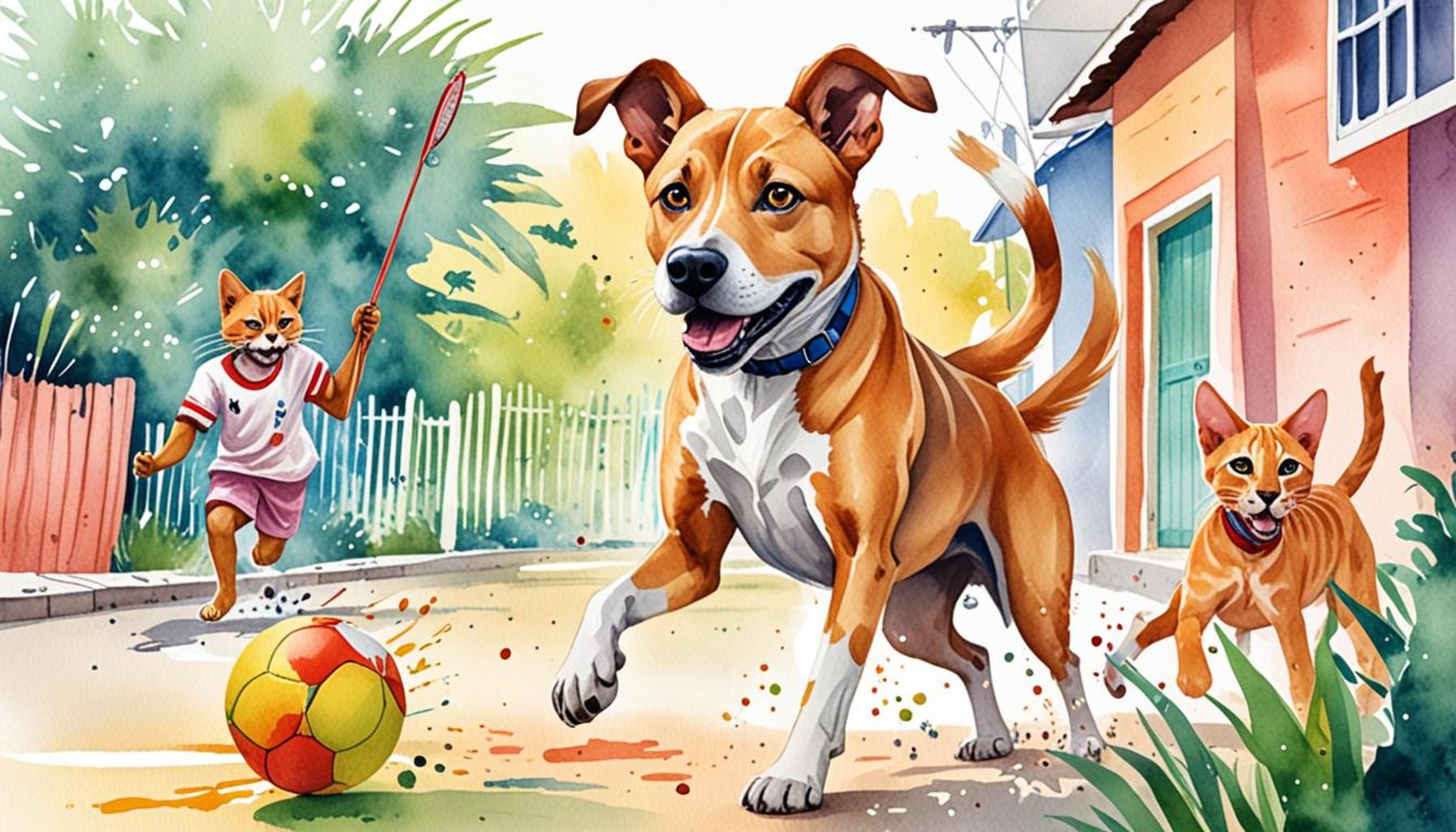
Positive training: how to reinforce desired behaviors in cats and dogs in Nigeria

The Rise of Positive Training in Nigeria
As pet ownership continues to flourish across Nigeria, with households increasingly adopting pets for companionship and security, the significance of effective training techniques cannot be overstated. This shift has led many owners to explore positive training methods, which not only foster desirable behaviors in pets but also nurture and enhance the bond between animals and their humans.
Positive training revolves around the principle of rewarding good behavior rather than punishing missteps, creating an environment where pets feel secure and appreciated. This method transcends mere obedience, emphasizing the joy and connection shared between pets and their owners. Key aspects of positive training include:
- Encouragement over punishment: Contrary to outdated beliefs that chastising pets leads to better behavior, modern psychology suggests that animals learn best in a positive, encouraging atmosphere. Nigerian pet owners are now recognizing that a happy pet is a well-behaved pet.
- Clear communication: Understanding your pet’s needs and effectively expressing your own creates a mutual trust that forms the foundation of any strong relationship. For instance, using consistent voice commands and body language helps dogs and cats grasp expectations more reliably.
- Consistency: Just like humans, pets benefit from routine. Regular training sessions reinforce lessons, making them second nature. Owners can schedule daily short sessions that fit seamlessly into their busy lives, ensuring steady learning.
The diverse spectrum of pets within Nigerian homes, ranging from energetic puppies to inquisitive kittens, presents a unique opportunity for effective training. Various common behavioral issues, such as excessive barking or littering outside the designated area, can be managed through positive reinforcement techniques. These not only improve behavior but also promote overall well-being.
Practical examples of positive training techniques that resonate well in Nigerian households include:
- Using tasty local treats as rewards: Owners can harness local delicacies like small chunks of chicken or fish as high-reward treats, making the training process appealing to pets.
- Incorporating playtime into training sessions: By blending training with play, pets remain engaged and motivated. For instance, training a dog to fetch can turn into both an exercise and a learning moment.
- Engaging in community training workshops: Local initiatives or community pet training events can provide a platform for owners to share experiences and strategies, enriching the overall training process.
This exploration into positive training reveals not just a methodology but a transformative journey for pets and their families. In a nation increasingly embracing pet companionship, the potential for happy, well-adjusted pets is immense. With each positive interaction during training, pet owners can lay the foundation for a harmonious household where their furry friends flourish. Stay tuned as we delve deeper into specific strategies, highlighting how each pet can thrive in a nurturing environment powered by positivity!

SEE ALSO: Click here to read another article
Understanding the Core Principles of Positive Training
Positive training offers a revolutionary approach to the age-old challenge of pet training. With its roots grounded in behavioral science, this method emphasizes rewarding desired actions over punishing undesirable ones. As Nigerian pet owners strive to reinforce good behavior in their cats and dogs, understanding the core principles of positive training becomes imperative for creating a successful training environment.
At the heart of positive training lies the concept of reinforcement. This refers to the process of providing a reward following a behavior to encourage its repetition. For instance, when a dog sits on command and receives a treat or praise, it creates a mental connection between the action and the reward. Over time, the dog learns to associate the command with the desired outcome, making it more likely to repeat the behavior. Here are the foundational elements of effective positive training:
- Timing is crucial: The speed at which a reward is administered after the desired behavior is key to successful reinforcement. For example, if an owner waits too long to reward a dog for sitting, the pet may not make the connection between the action and the reward. Quick reinforcement helps solidify understanding.
- Use of varied rewards: While treats are highly effective, mixing reward options can keep pets engaged. Nigerian pet owners can incorporate verbal praise, petting, or even the promise of playtime into their training sessions, enhancing motivation and interest.
- Setting achievable goals: Breaking down tasks into smaller, manageable steps can significantly boost training success. For instance, teaching a dog to lie down can begin with rewarding the dog each time it lowers its front legs. Celebrating small victories increases confidence and encourages progression.
Moreover, the cultural backdrop of Nigeria plays a significant role in how positive training techniques can be tailored to the local context. The rich variety of native dog breeds and pet ownership styles means training methods might need to be adjusted to fit the specific needs of different animals. For instance, breeds native to Nigeria, such as the Basenji or Local Pariah Dog, may respond differently to training techniques based on their individual temperaments and traditional roles in households.
Additionally, a significant aspect of positive training is the emotional state of both the owner and the pet. When the training environment is relaxed and enjoyable, it fosters quick learning. For example, utilizing a calm setting free from distractions can significantly enhance the effectiveness of training sessions. Pets are more likely to respond positively when they find themselves in a safe space where they feel loved and appreciated.
As we delve further into positive training techniques tailored for Nigerian pet owners, it’s essential to remember that consistency, patience, and love form the backbone of successful training. By understanding these principles, Nigerian families can create nurturing environments conducive to developing well-behaved and happy pets. The journey may take time, but the result is worth every effort as pets thrive in a space built on positivity and understanding.
| Advantage | Impact |
|---|---|
| Enhances Bonding | Using positive reinforcement strengthens the emotional connection between pets and their owners, leading to a happier household. |
| Improves Behavior | Reinforcing desired behaviors reduces undesirable actions, creating a more balanced and peaceful living environment. |
| Encourages Learning | Positive training motivates pets to learn faster, making training sessions efficient and enjoyable. |
| Promotes Socialization | Using positive methods during training helps pets interact better with other animals and humans, essential for their overall development. |
The implementation of strong positive reinforcement methods is vital for pet training in Nigeria, where cultural attitudes toward animals can vary. By focusing on the emotional and social benefits, pet owners can create an atmosphere that not only nurtures the animal’s growth but also enhances the quality of life within the family unit. Understanding the psychological advantages of positive training can encourage more pet owners to adopt these techniques, transforming how they relate to their pets in Nigeria. Additionally, comprehensive resources and community workshops can aid in spreading awareness about effective training strategies, fostering a more humane approach towards animal behavior management in the region.
LEARN MORE: This related article may interest you
Effective Techniques for Positive Training in Nigerian Pets
Building on the foundational principles of positive training, Nigerian pet owners can explore specific techniques that enhance learning and reinforce desired behaviors in their cats and dogs. With the country’s unique environment and cultural factors in mind, these techniques can provide effective pathways to harmonious pet ownership.
One highly effective method is clicker training. This technique involves using a small device that makes a clicking sound to indicate when a pet has performed the desired action. After the click, an immediate reward follows, which solidifies the behavior in the pet’s memory. Clicker training is particularly effective for both dogs and cats, as it captures their attention and allows for clear communication. Nigerian pet owners can benefit from this method by making the training sessions short, engaging, and filled with enthusiasm, ensuring that their pets remain motivated and focused.
Another crucial aspect of positive training is the concept of socialization. Socializing pets from a young age involves exposing them to a variety of environments, people, and other animals. For Nigerian pet owners, this could mean taking their dogs to local parks, where they can interact with other dogs and people. This not only enhances their social skills but also reduces behavioral issues arising from fear or anxiety. Regularly introducing pets to different stimuli is important in helping them adapt to the bustling life common in urban areas of Nigeria.
Incorporating playtime as a reward can also strengthen the bond between owner and pet. Activities such as fetch or tug-of-war provide an excellent platform for reinforcing good behavior. For instance, rewarding a cat or dog with playtime for using the litter box or going outside to relieve themselves can quickly establish a connection between positive behavior and enjoyable experiences. This method can work wonders for energetic breeds common in Nigeria, such as the Nigerian Mastiff.
Positive training also encourages the use of diverse verbal cues. Nigerian pet owners should develop a unique set of commands that resonate with them and their pets. Using simple, consistent commands such as “sit,” “stay,” or “come” aids in establishing clear expectations. Over time, pets become familiar with these cues, responding promptly. Adding local nuances or affectionate terms can improve communication and further enhance training efficacy, making the process more relatable for both the pet and owner.
Additionally, take advantage of modeling behavior. Pets often learn by observing their owners. Demonstrating desired behaviors can be a powerful tool. For instance, showing your dog how to sit while you exhibit calm and assertive energy can encourage them to mimic your behavior. In the same vein, showcasing good manners during feeding times or when greeting guests can instill respect and discipline. This approach resonates well in the context of Nigerian households where community plays a pivotal role in shaping behavioral norms.
Staying aware of cultural sensitivities is essential in the positive training process. Nigerian pet owners can draw inspiration from traditions that emphasize harmony and respect in family dynamics. Instilling these values in pet training fosters a nurturing environment, allowing pets to thrive under guidance and love. For instance, engaging children in the training process not only helps build their responsibility but also teaches them valuable life lessons about patience and empathy.
By integrating these effective techniques and remaining attuned to the local culture, Nigerian pet owners can create a rich training experience. This effort is a lasting investment that transforms not just the behavior of pets but also enriches the bond between owner and animal, creating a harmonious living environment.
CHECK OUT: Click here to explore more
Conclusion: Embracing Positive Training for Happier Pets in Nigeria
In summary, positive training serves as a transformative approach that not only enhances the behaviors of pets but also strengthens the bond between Nigerian pet owners and their animals. By utilizing techniques such as clicker training, socialization, and incorporating playtime rewards, pet owners can effectively reinforce desired behaviors in both cats and dogs. Moreover, the emphasis on modeling behavior and embedding local cultural practices enriches the training experience, resonating deeply within the Nigerian context.
As pet ownership continues to grow in Nigeria, adapting positive reinforcement strategies tailored to local environments and cultural dynamics is crucial. Owners are encouraged to stay patient and committed, as the journey of training is not merely about compliance but about cultivating a relationship built on trust and understanding. Each interaction presents an opportunity for learning, and fostering a nurturing atmosphere will ultimately lead to well-adjusted and content pets.
For those looking to explore this further, engaging with local trainers or participating in community activities that promote responsible pet ownership can provide valuable insights. As we embrace the journey of positive training, we pave the way for a future where our pets thrive and contribute to a harmonious home life, reflecting the values of respect and empathy at the heart of Nigerian culture. Ultimately, investing time into positive training today ensures a rewarding and fulfilling companionship, strengthening the human-animal bond that enriches our lives.