
Pet Training for Children: How to Teach Responsibility and Empathy in Nigeria
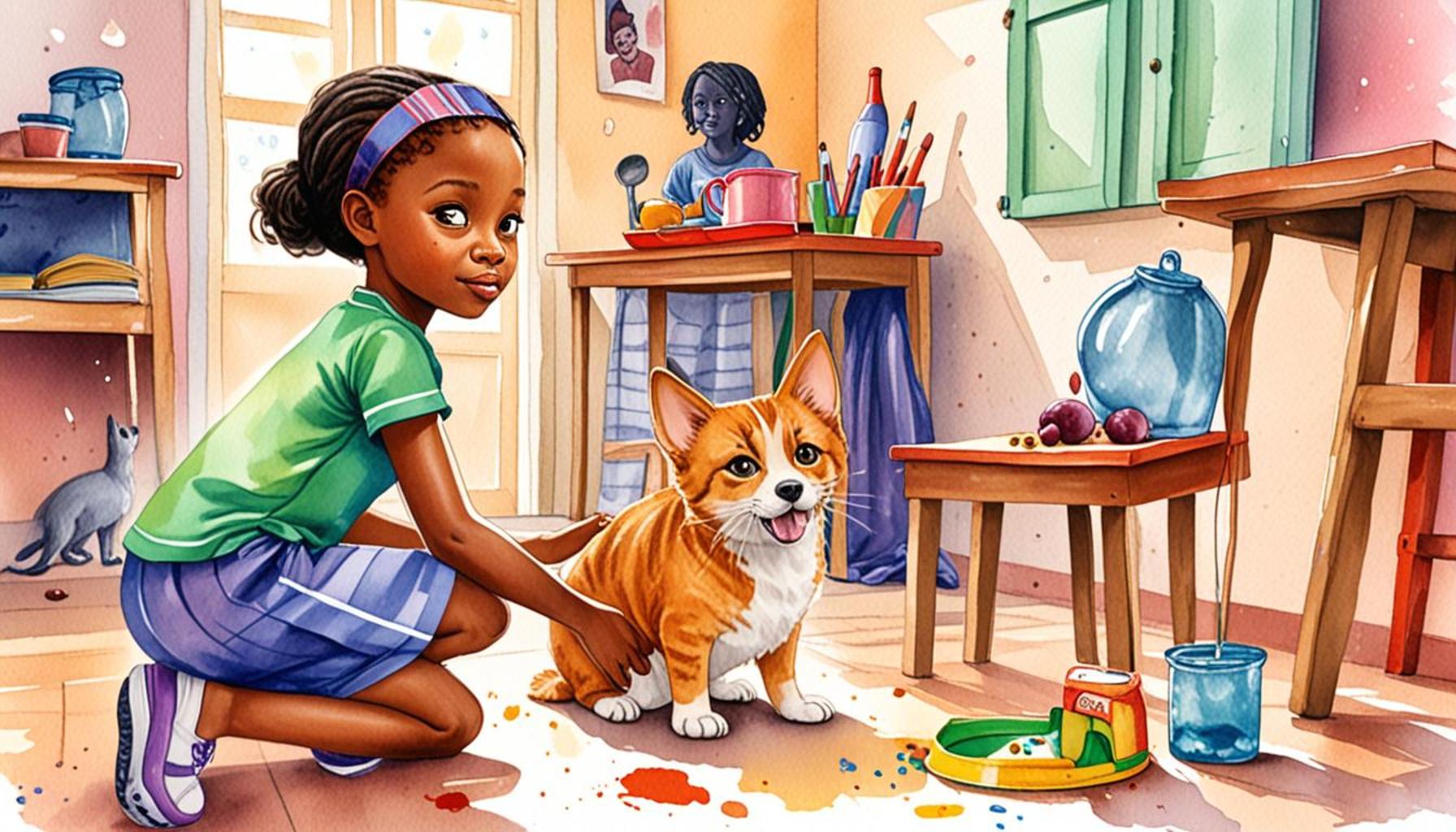
The Value of Pet Training in Child Development
The bond between children and pets can be transformative, shaping their interactions not only with animals but with fellow humans as well. In Nigeria, where pets, especially dogs and cats, have become increasingly popular, fostering this relationship through pet training offers enriching experiences for young minds. Educating children on how to train and care for animals can cultivate vital life lessons like responsibility and empathy, which are essential in building a caring society.
When children engage in the day-to-day care of pets, several positive outcomes arise. These include:
- Building Lifeskills: Engaging in activities such as feeding, walking, and grooming pets teaches children effective time management. For instance, a child assigned to scoop the daily food for a dog learns consistency and the importance of routine. These skills are transferable, aiding them in future responsibilities, whether at home or in their academic lives.
- Encouraging Compassion: Caring for animals allows children to practice empathy. For example, if a pet is unwell, the child learns to recognize its discomfort and respond to its needs. This understanding can extend beyond pets and help them relate better to their peers and family members, fostering a more compassionate outlook on life.
- Boosting Confidence: Successfully training a pet brings a profound sense of achievement. When a child teaches a dog to sit or fetch, they gain a sense of accomplishment that boosts their confidence. This newfound self-esteem can encourage them to face challenges in other areas, whether in sports or academics.
In the Nigerian context, where community-centered values are prevalent, these lessons hold particular significance. In rural areas where livestock like goats or chickens may serve not just as pets but as sources of livelihood, the principles of responsibility and empathy are even more pronounced. By integrating pet training into daily routines, families cultivate an environment that cherishes growth and mutual respect.
As we further explore this topic, we will present practical strategies that parents and guardians can adopt to maximize the benefits of pet training. Activities such as creating fun training games or involving children in crafting homemade toys can make the training experience remarkable. These methods not only enhance the bond between pets and children but also contribute to nurturing responsible and empathetic individuals ready to contribute positively to society.
SEE ALSO: Click here to read another article

Practical Strategies for Pet Training
To maximize the benefits of pet training in nurturing responsibility and empathy among children, parents and caregivers can implement a variety of creative and engaging strategies. In Nigeria, where many families value communal bonds and active participation in household duties, these tactics can seamlessly integrate into everyday life, fostering a sense of belonging and accountability.
One effective way to begin pet training is through the establishment of clear routines. This can be as straightforward as assigning specific tasks to children, such as feeding the pet at certain times or taking them for walks. Consistent routines help children understand the importance of schedules and dependability. For example, in urban areas like Lagos, where pet ownership is becoming more common, parents can encourage their children to set reminders on their phones or calendars, promoting responsibility from a young age.
Additionally, incorporating fun activities that resonate with Nigerian culture can make pet training enjoyable and relatable. Here are some ideas:
- Training Games: Create games that include commands in local languages. Engaging children in activities like “hide and seek” with their pets can also be a creative way to teach them commands like “sit,” “stay,” or “come” while reinforcing the bond between the child and the animal.
- Craft Projects: Encourage children to make homemade pet toys out of recycled materials. Using old fabric to create chew toys or utilizing plastic bottles to make treat dispensers not only stimulates creativity but also instills a sense of accomplishment and care for their pet’s needs.
- Pet Care Charts: Develop a pet care chart that lists daily responsibilities for children. Each task may include feeding, grooming, or playtime, allowing kids to check off their completed tasks. This visual progress can be rewarding and inspire a habit of regular pet care.
Moreover, parents should leverage opportunities to instill compassion in their children. Discuss scenarios with them, such as how a dog might feel if it’s left alone for long periods. Encouraging conversations around the emotions of pets can help children internalize the feelings of others, making them more empathetic individuals. Sharing stories about the significance of pets in Nigerian folklore can also enhance this understanding, illustrating the deep connections between humans and animals throughout history.
Ultimately, these strategies not only aim to teach children about pet training but also to cultivate a culture of responsibility and empathy within the framework of Nigeria’s vibrant community life. By actively participating in caring for pets, children can learn valuable lessons that extend beyond animal companionship; they foster skills and values that will benefit them as they navigate relationships and responsibilities in their adult lives.
| Advantages | Key Features |
|---|---|
| Enhanced Responsibility | By engaging in pet training, children learn to take ownership of an animal’s well-being, fostering a sense of accountability. |
| Development of Empathy | Children gain insight into the emotions and needs of their pets, cultivating a deeper understanding of care and compassion. |
| Social Skills Improvement | Training pets often encourages teamwork, enhancing communication skills among children. |
| Discipline and Patience | Learning to train a pet requires patience, instilling a sense of discipline in children. |
Engaging children in pet training activities is more than just fun. It lays the groundwork for them to develop essential life skills that extend beyond their interactions with animals. As the young ones in Nigeria become actively involved in responsible pet ownership, they not only contribute to the well-being of their pets but also embark on an enlightening journey of personal development. The opportunities for educational enrichment are vast, ranging from understanding animal behavior to learning about nutrition and health care specific to different pets. This experience can foster a generation that values responsibility, empathy, and open communication while creating a more compassionate society.
YOU MAY ALSO LIKE: Read read another article
Incorporating Community and Cultural Elements
Integrating community and cultural elements into pet training programs can further enhance the lessons of responsibility and empathy for children in Nigeria. The communal spirit prevalent in many Nigerian neighborhoods serves as a great backdrop for children to learn collaboratively while assuming greater household responsibilities. For instance, organizing local pet training workshops or fun days could allow families to engage in training sessions together, reinforcing the notion that caring for a pet is a shared family affair, not solely an individual task.
Another fascinating approach is introducing children to the traditional roles animals play in Nigerian society. Many communities regard animals as symbols of companionship, guidance, or even cultural heritage. Learning about local beliefs surrounding animals can boost children’s appreciation of their pets’ roles in their lives. By discussing animals such as dogs, cats, and even birds as companions akin to family members, children are invited to empathize with their pets on a deeper emotional level, recognizing their needs and feelings.
Parents might consider establishing pet care groups within their communities. These groups could meet monthly to discuss best practices in animal care and training, allowing children to bond over shared experiences and learn from one another. Such informal settings encourage children to express their challenges, seek advice, and share tips, ultimately fostering a collaborative atmosphere where social skills flourish alongside responsibility.
Engaging Educational Resources
Incorporating educational resources into pet training can also amplify results. Books and materials focusing on pet care in the Nigerian context are valuable tools that can educate children about animal health and welfare. For younger children, picture books featuring pets living in Nigerian homes can strengthen their connection to the messages being taught. For older children, informative articles and documentaries about animal behavior can help them grasp the complexities of training methodologies and pet care.
The digital age offers additional platforms for learning. Child-friendly apps or YouTube channels tailored to pet training can incentivize children to watch, learn, and practice the techniques. Given the surge in internet accessibility in Nigeria, leveraging these resources can augment traditional training methods, making the learning process more engaging and interactive.
Promoting Local Animal Shelters and Rescue Initiatives
Finally, involving children in local animal shelters or rescue initiatives can provide hands-on experiences that encompass both empathy and responsibility. Many organizations in Nigeria are dedicated to the rescue and rehabilitation of stray or abandoned animals. Volunteering at these shelters can impart invaluable lessons to children about the importance of compassion and care for animals in need. Such experiences expand their understanding of the challenges animals face while reinforcing the idea that they possess the power to make positive changes in an animal’s life.
Children can be encouraged to participate in initiatives such as adopting puppies or kittens, organizing fundraisers for shelters, or simply helping with daily tasks at the facilities. These activities deepen their emotional connections to animals while simultaneously building a sense of community and a commitment to responsible pet ownership.
By weaving together the elements of culture, community, and education in pet training, families in Nigeria can create a rich environment where children not only learn to care for their pets but also grow into empathetic, responsible individuals ready to contribute positively to society.
SEE ALSO: Click here to read another article
Conclusion
In conclusion, pet training in Nigeria offers a profound opportunity to instill important life lessons of responsibility and empathy in children. By integrating cultural understanding, community involvement, and engaging educational resources, families can create a nurturing environment that emphasizes the significance of caring for pets as a vital aspect of daily life. This approach not only encourages children to appreciate their pets as beloved companions but also fosters a sense of duty towards their well-being.
Moreover, initiatives such as volunteering at local animal shelters can draw children into real-life scenarios where they witness the impact of compassionate action. As they engage with the challenges that animals face, they learn invaluable lessons about kindness and commitment. Leveraging both traditional and digital resources further enriches the training experience, ensuring that learning remains relevant and engaging in a rapidly changing world.
Ultimately, the confluence of cultural appreciation, community bonding, and hands-on education can reshape the narrative surrounding pet ownership in Nigeria. Children equipped with these experiences are not only better prepared to be responsible pet owners; they emerge as empathetic individuals who are more aware of their capacity to effect positive change in their communities. Thus, as we embark on this journey of pet training, we are not merely teaching children how to care for animals but also guiding them to become conscientious and caring members of society.