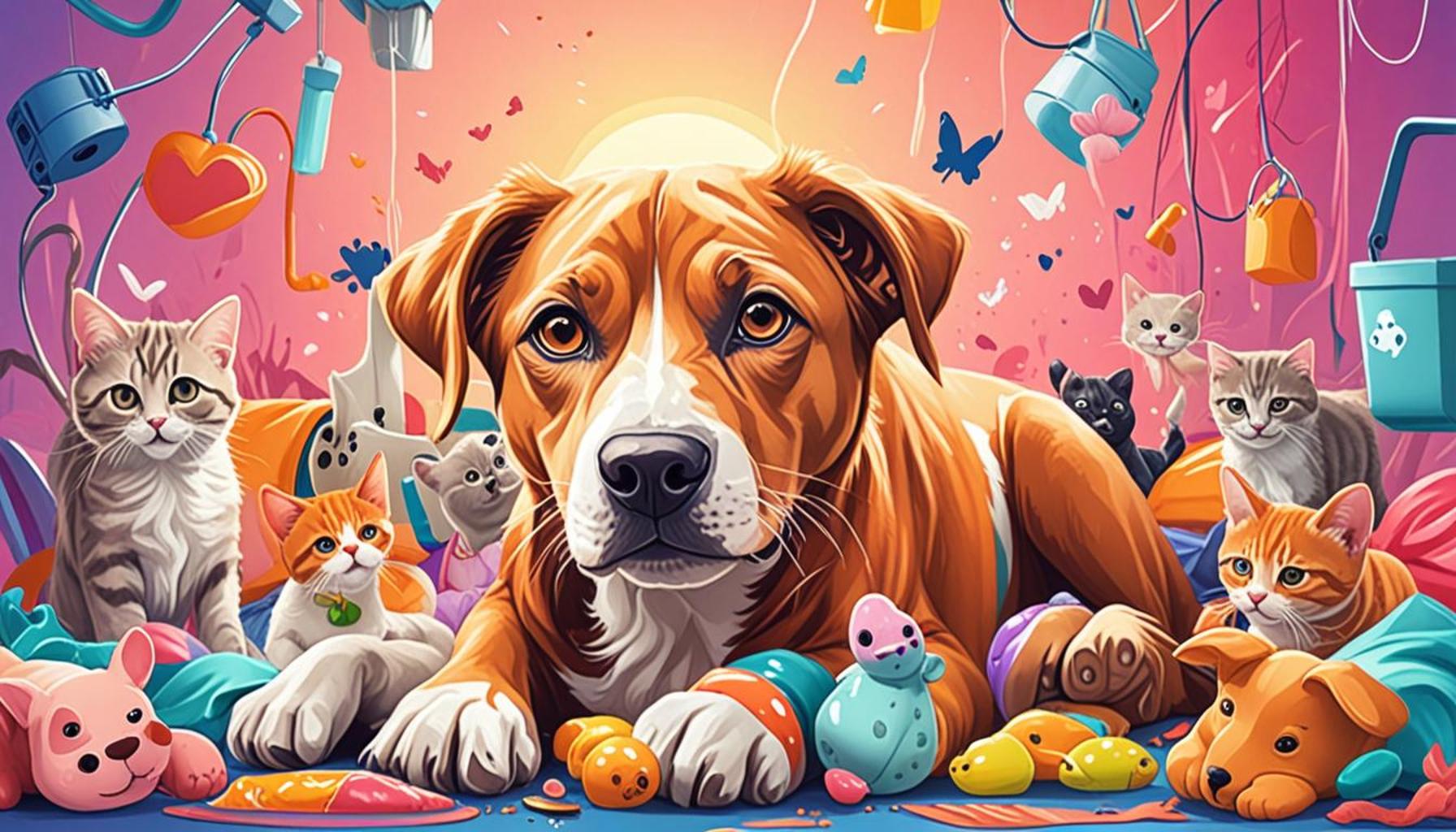
How to Create a Pet-Friendly Adoption Environment: Tips and Resources
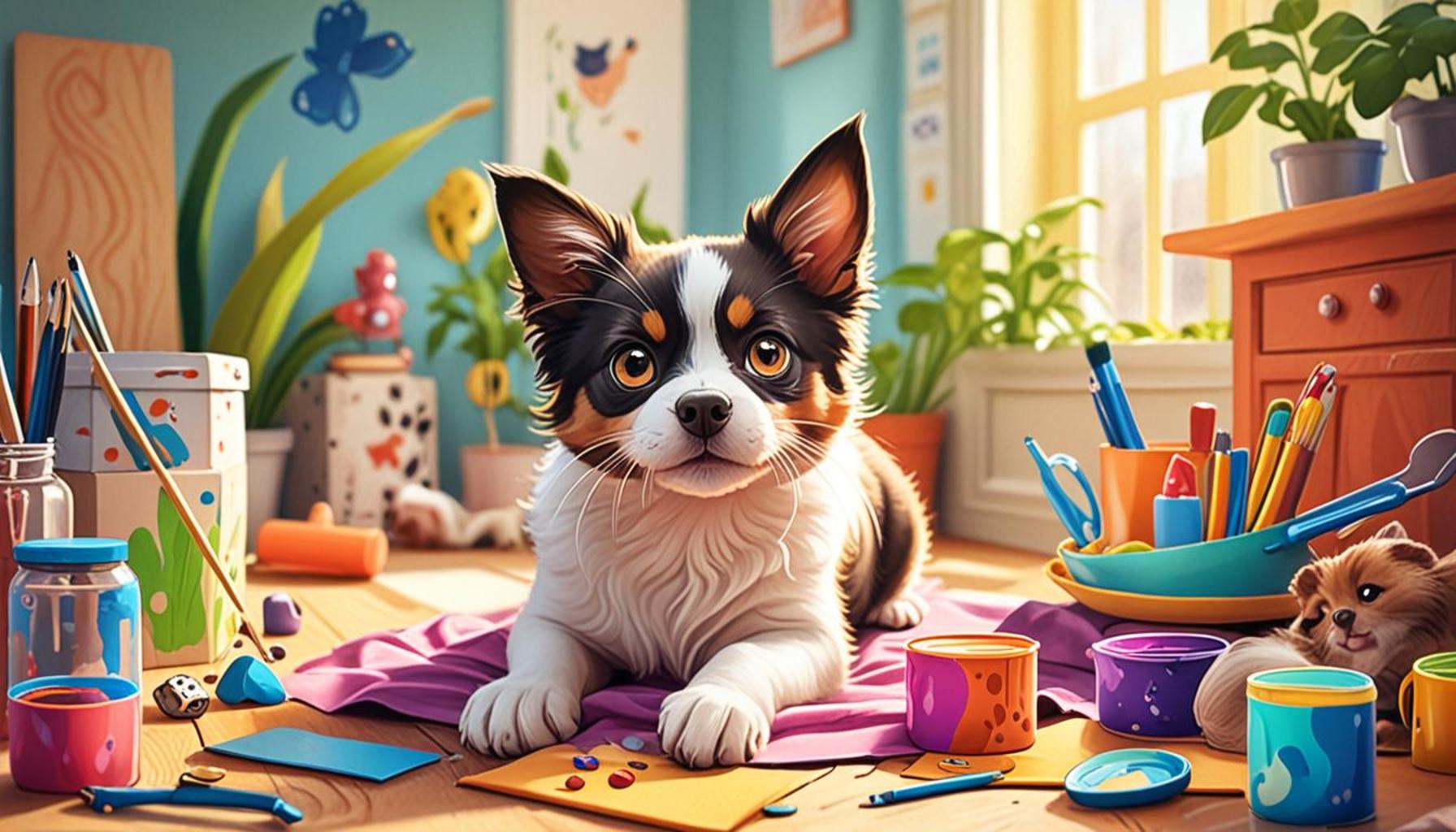
Creating a Welcoming Space for Pets
The adoption process can be a life-changing experience for both pets and their new owners. However, a pet-friendly adoption environment is crucial in ensuring a smooth transition for animals. This environment not only fosters comfort but also encourages potential adopters to feel at ease. Creating a welcoming atmosphere can significantly influence the emotional state of the animals and the perceptions of those considering bringing a pet into their home.
Building such an atmosphere involves several practical strategies. Below are key elements to consider when developing an inviting space for pets:
- Physical Space: Ensure that the area is spacious enough for pets to roam safely. Open layouts allow for free movement and encourage natural behaviors among pets, reducing stress. For example, consider a layout with multiple play zones where dogs can run while cats can explore nooks and crannies.
- Comfort Items: Provide bedding, toys, and food to help pets feel secure. Having familiar scents and textures, such as soft blankets or favorite toys, can ease anxiety. Additionally, play items can engage animals, making them more approachable to potential adopters.
- Accessible Resources: Make information about each animal easily available to interested adopters. Clear signage outlining the pet’s background, temperament, and any special needs can empower adopters to make informed decisions and foster a connection. Interactive digital displays or pamphlets can enhance engagement.
In Nigeria, there is a burgeoning pet adoption culture that resonates strongly in urban centers like Lagos and Abuja. Local NGOs and animal rescue groups are actively working to create a more humane society for animals. Incorporating local resources, such as partnering with vet services for health checks or community groups for educational workshops, can enrich the adoption experience. For instance, hosting an adoption fair with local vendors and food stalls not only promotes adoptions but also fosters a sense of community around animal welfare.
Furthermore, leveraging social media can significantly enhance visibility for animals in need of homes. Many successful adoption campaigns utilize platforms like Instagram and Facebook to share stories, photos, and videos of pets. Highlighting heartwarming adoption stories can inspire others to consider bringing a new companion into their lives.
By creating an inviting adoption space, you not only improve the chances of adoption but also promote responsible pet ownership in Nigeria. This article will explore tips and resources that can help you foster a positive environment for both pets and their future families. Prioritizing education and community involvement can build a culture of empathy and care for pets, ultimately benefiting both the animals and their owners.
SEE ALSO: Click here to read another article
Setting the Right Atmosphere for Pets
When it comes to creating a pet-friendly adoption environment, the atmosphere plays a vital role in influencing the behaviors and emotions of both pets and potential adopters. It is essential to craft a space that not only provides comfort for the animals but also encourages connection and engagement from those looking to adopt. To achieve this, several factors must be taken into account, each contributing to a nurturing and supportive setting.
Design Considerations
First and foremost, consider the design and layout of the adoption space. It is advisable to use calming colors and natural light. Soft hues like pastels can create a serene backdrop, while ample natural lighting can alleviate the anxiety that often accompanies shelter life for pets. When designing the layout, aim for an arrangement that allows potential adopters to move freely and interact with the animals safely. Key design elements include:
- Interactive Zones: Create areas specifically for interaction, such as play pens for dogs and cozy corners for cats. This promotes the opportunity for potential adopters to get to know the pets in a comfortable setting.
- Visual Privacy: Consider providing spaces where animals can retreat if they feel overwhelmed. This could be achieved through semi-enclosed areas or by using materials that offer some visual barriers, ensuring pets can take breaks when necessary.
- Outdoor Access: If possible, incorporate outdoor spaces where dogs can run and play. This not only benefits the pets’ physical health but can also facilitate bonding opportunities with visitors.
Ensuring Cleanliness and Safety
Another critical aspect of a pet-friendly adoption environment is maintaining a high standard of cleanliness and safety. Regularly cleaning the facilities helps reduce odors and the spread of illness, which is crucial for both pets and humans. Implementing a clear cleaning schedule can ensure that shared spaces are systematically kept hygienic. Additionally, consider the following:
- Non-toxic Materials: Use pet-safe cleaning supplies and avoid hazardous materials in the environment. This ensures the health and safety of the animals, thereby promoting a more inviting atmosphere for potential adopters.
- Secure Enclosures: Ensure that all enclosures are sturdy and secure. This prevents escape attempts and helps keep both animals and visitors safe. Regularly checking locks and hinges can prevent incidents that may lead to stress for all parties involved.
Engaging Community Participation
Involving the community in the adoption process can significantly enhance the experience for both pets and potential families. Hosting educational workshops on responsible pet ownership and animal welfare can raise awareness, while also showcasing the animals available for adoption. Collaborating with local schools, businesses, and community organizations can foster a sense of connection and encourage community members to become advocates for pet adoption.
In conclusion, the success of pet adoption initiatives relies heavily on how welcoming and supportive the environment is. By prioritizing design, cleanliness, safety, and community engagement, you can create a truly pet-friendly adoption environment that not only facilitates adoptions but also cultivates responsible pet ownership practices across Nigeria.
| Advantages | Details |
|---|---|
| Enhanced Safety | Creating a pet-friendly environment promotes safe interactions between pets and potential adopters by minimizing hazards. |
| Improved Comfort | An inviting atmosphere with comfortable spaces helps pets feel relaxed, encouraging positive connections with visitors, thereby boosting adoption rates. |
Fostering an environment that reflects a pet’s needs begins with understanding their behavioral tendencies. For example, providing designated play areas encourages natural instincts to explore and socialize. In addition, utilizing calming colors and enriching décor can create a sense of serenity, which is crucial in a shelter setting. Incorporating learning resources, such as training guides and informational brochures, equips prospective adopters with the knowledge they need to make informed decisions. This kind of support not only enhances the adoption experience but also reduces the likelihood of pets being returned after a brief stay.Special events, such as adoption fairs or pet meet-and-greets, are excellent opportunities to showcase the pet-friendly environment. These events can be heavily promoted on social media platforms, using SEO keywords like “pet adoption tips” and “creating a pet-friendly space” to attract a larger audience. Ultimately, by prioritizing a nurturing atmosphere, shelters can significantly increase their chances of finding loving homes for pets in need. Each initiative taken toward creating an adaptable and welcoming environment is a step toward better pet welfare.
CHECK OUT: Click here to explore more
Creating a Welcoming Experience for Adopters
A pet-friendly adoption environment goes beyond the physical space; it extends to the overall experience provided to potential adopters. For many individuals and families in Nigeria, adoption can be both an exciting and overwhelming journey. To facilitate a smooth and welcoming experience, it’s essential to focus on personalized communication, knowledgeable staff, and easily accessible resources.
Staff Training and Knowledge Sharing
Having well-informed staff members is vital in making the adoption process seamless. Staff should be trained not only about the pets available for adoption but also on how to effectively communicate the needs and characteristics of different breeds. In addition to that, training should include:
- Behavioral Insights: Understanding animal behaviors can help staff give potential adopters tailored information on what to expect when welcoming a new pet into their home. This includes possible behavioral quirks and training tips for various species and breeds.
- Emotional Support: Staff should be equipped to provide emotional support during the adoption process. Many adopters may feel hesitant or uncertain, so having compassionate individuals who can guide them through adopting decisions is crucial.
- Translation Services: Given Nigeria’s diverse linguistic landscape, offering translation services may help reach a broader audience. Providing adoption brochures in local languages can empower more people to engage with the process.
Educational Materials and Resources
Equipping potential adopters with resources is a cornerstone of promoting responsible pet ownership. Creating informative pamphlets, online resources, and helpful videos can aid adopters in understanding everything from basic pet care to health concerns. Here are some pertinent topics to cover:
- Basic Training Techniques: Simple training guides can help new pet owners establish a positive relationship with their pets early on. This could include potty training tips, socialization practices, and basic commands.
- Health Care Information: Information on routine veterinary care, vaccinations, and preventive measures can be provided to help adopters maintain their pets’ well-being. Offering a list of local veterinary clinics and shelters can also offer added convenience.
- Local Laws and Regulations: Educating potential adopters about local laws regarding pet ownership, such as licensing and leash laws, is essential for responsible ownership across Nigeria.
Hosting Adoption Events and Community Engagement
To further enhance the pet-friendly adoption environment, consider organizing adoption events that connect the community with available pets. These events can take place in parks or community centers, where pet-loving locals can participate in activities designed to promote adoption and responsible pet ownership. Offers like discounted adoption fees during these events can also incentivize more adoptions.
Additionally, collaborating with local influencers or community leaders can amplify outreach efforts. They can help raise awareness about the available animals for adoption, and their endorsement can foster trust among potential adopters. Consider the impact of social media campaigns that showcase individual pets looking for homes. This not only provides visibility to the animals but also creates emotional connections with viewers, increasing the chances of adoption.
In a country like Nigeria, fostering a sense of community spirit in the adoption process can greatly influence the success of finding forever homes for pets. By addressing the emotional, educational, and social aspects of the pet adoption experience, we can pave the way for lasting relationships between pets and their new families.
YOU MAY ALSO LIKE: Read read another article
Conclusion: Building a Pet-Friendly Adoption Culture
Creating a pet-friendly adoption environment in Nigeria is a multifaceted endeavor that requires community engagement, training, and accessible resources. By focusing on enhancing the overall adoption experience—through proper staff training, informative materials, and community events—we can foster a culture of responsible pet ownership while ensuring that more pets find their forever homes.
It is imperative that organizations prioritize personalized communication and emotional support, as these elements can make all the difference in easing potential adopters’ concerns. By equipping staff with essential behavioral insights and local language resources, we can break down barriers that may have previously hindered individuals from adopting. Moreover, comprehensive educational materials—covering health, training, and legal responsibilities—empower adopters with the knowledge they need to succeed.
Organizing frequent adoption events that encourage community participation can create a festive atmosphere, making the process enjoyable for both prospective pet owners and animals waiting for homes. By utilizing digital platforms and collaborating with influencers, we can amplify our reach and inspire a larger audience to consider adoption.
In conclusion, the synergy between personal touch, educational resources, and community involvement forms the foundation of a robust pet adoption environment in Nigeria. By committing to these practices, we not only enhance the lives of our furry companions but also enrich the lives of those who open their homes and hearts to them. The journey of pet adoption should be a joyous occasion, leading to lasting bonds that benefit families and enhance the well-being of our communities.