How Nigerian Laws Affect Pet Adoption and Animal Protection
Exploring the Legal Framework Surrounding Pets in Nigeria
In recent years, the issue of pet adoption and animal protection has gained significant momentum in Nigeria. This shift reflects a growing societal awareness of animal rights and the responsibilities that come with pet ownership. Numerous animal welfare organizations now advocate for humane treatment, pushing for better regulations and protections for pets across the country. Understanding the intricacies of local laws is essential for anyone interested in pet ownership or animal welfare.
Existing Laws and Frameworks
While the Nigerian Constitution lays a foundational framework for the protection of all animals, it lacks specific legislative details addressing the nuances of animal welfare. Currently, the responsibility falls on various organizations and local governments to fill this gap. For instance, certain states like Lagos have made strides with their own animal welfare laws that promote responsible pet ownership and outline the penalties for neglect or abuse. However, in other regions, the absence of such laws means animals remain vulnerable and without recourse in cases of mistreatment.
Animal Cruelty Penalties
Despite existing laws addressing animal cruelty, enforcement presents a significant challenge. Cases of abuse often go unreported or unpunished, primarily due to insufficient resources for law enforcement and a general lack of public awareness about these laws. The penalties for animal cruelty can range from fines to imprisonment. For example, offenders may face legal action under the Animal Cruelty Act in states where it is enacted. Awareness campaigns by local NGOs are pivotal in educating the public about these laws and encouraging reporting of abuses.
Adoption Regulations
Regulations governing pet adoption vary significantly from one state to another, leading to a patchwork of policies affecting aspiring pet owners. In some areas, prospective adopters must undergo thorough vetting processes, including interviews and home inspections, while others may have looser requirements. This inconsistency can create barriers to adoption, limiting the ability of potential pet owners to provide loving homes for animals in need. By contrast, organizations such as the Animal Rights Advocacy League are working tirelessly to standardize these regulations and streamline the adoption process nationwide.
As awareness regarding animal rights continues to grow in Nigeria, it is imperative to assess the impact of these legal frameworks on both pet owners and animal welfare advocates. Engaging deeply with the current legal landscape not only highlights the obligations of pet ownership but also opens up discussions about the evolving nature of animal rights in the country.
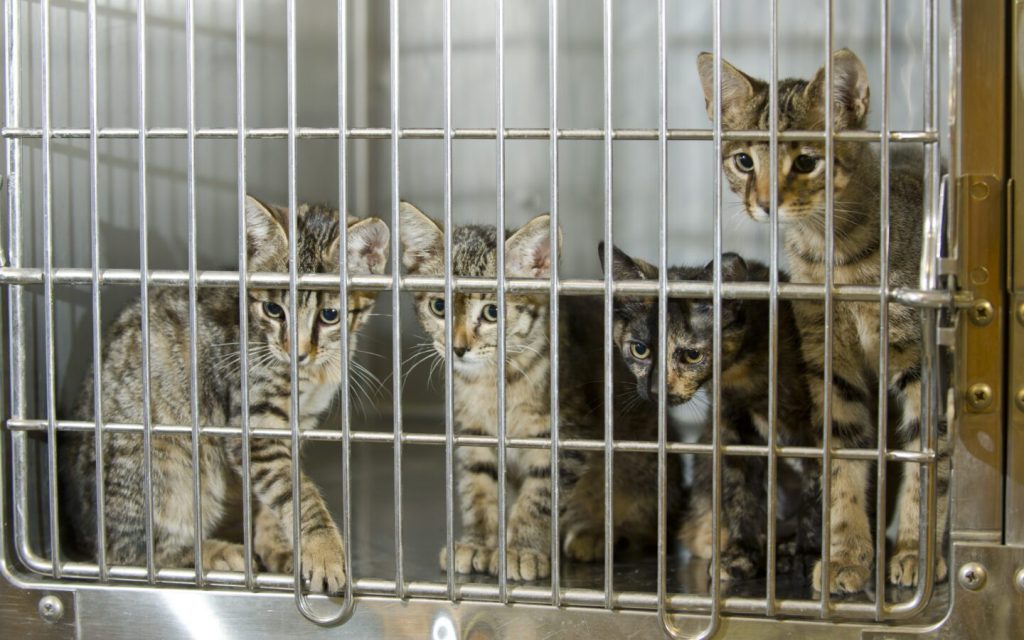
This exploration of the legalities surrounding pets is crucial as it sheds light on the pressing need for reform and advocacy. By understanding and engaging with these issues, Nigerians can help foster a more compassionate society that recognizes the value of all living beings. Stay tuned as we delve deeper into these critical discussions, examining how legal changes can lead to a better environment for pets across the nation.
CHECK OUT: Click here to explore more
Understanding the Legal Landscape for Pet Owners
Nigeria’s approach to pet adoption and animal protection is still evolving, reflecting a myriad of cultural attitudes and legal stipulations. The awareness of animal welfare in Nigeria has prompted citizens to assess not only their responsibilities as pet owners but also the obligations of the state to provide protection for vulnerable animals. Existing legal frameworks can sometimes seem fragmented, creating confusion for prospective pet owners and advocates alike.
The Role of Local Governments
At the heart of Nigeria’s animal protection laws, or lack thereof, lies the responsibility of local governments. While some states have taken significant steps to establish frameworks that govern animal welfare, others lag behind. Lagos State stands out with its robust animal rights initiatives, which include regulations that mandate the registration of pets and impose penalties for neglect. Such regulations aim to promote responsible pet ownership and safeguard abused animals. However, many states still operate under outdated or non-existent laws, leaving animals without any form of legal protection.
Challenges in Awareness and Enforcement
One of the primary challenges in enforcing animal protection laws is the lack of public awareness regarding existing regulations. Often, incidents of animal cruelty go unseen due to ignorance about legal protections available for animals. This further impedes the ability of law enforcement agencies to take action. The integration of education on animal rights into school curricula and community programs can help address this issue. Public awareness campaigns led by various animal welfare organizations play a key role in informing the populace about:
- The rights of animals as outlined by local laws.
- How to report incidents of animal cruelty.
- The responsibilities that come with pet ownership.
The penalties for violating animal welfare laws can vary widely. In enlightened states, those found guilty of animal cruelty may face fines upwards of ₦50,000 or even imprisonment. Conversely, in areas where there is no clear legal framework, offenders may walk free, leaving the unfortunate victims of cruelty without justice.
Adoption Procedures: A Mixed Bag
For potential pet owners, navigating the adoption process can be a convoluted journey. Some organizations require extensive vetting, which might include home visits, interviews, and even criminal background checks. This meticulous approach seeks to ensure that adopted pets find safe and loving forever homes. However, such stringent requirements can sometimes discourage capable adopters from taking action.
On the other hand, less formal adoption channels may lack rigorous checks, allowing animals to be adopted by individuals who may not fully understand the responsibilities involved in pet ownership. This inconsistency underscores the need for standardized regulations across the country, enabling effective and compassionate pet adoption practices that prioritize the well-being of animals.
As Nigeria grows more attuned to the importance of animal welfare, understanding the intricate legal landscape surrounding pet adoption and protection becomes essential. Only through informed engagement can citizens advocate for legislative reforms that benefit both animals and responsible pet owners alike.
| Legal Protections | Impact on Animal Welfare |
|---|---|
| Animal Cruelty Laws | Reduces Abuse Instances by imposing penalties for offenders, ensuring safer environments for pets. |
| Adoption Regulations | Streamlines Processes making it easier for potential pet owners to adopt, encouraging responsible pet ownership. |
The legal framework governing pet adoption and animal protection in Nigeria plays a crucial role in shaping policies that influence both the welfare of animals and the culture surrounding pet ownership. With the establishment of Animal Cruelty Laws, individuals found guilty of abusing animals face stringent penalties, thus fostering a safer environment for pets and making society collectively more accountable. This shift in perspective is fostering a culture where animal welfare is prioritized, reducing instances of neglect and abuse.In parallel, the adoption regulations are being streamlined to ensure that prospective pet owners can easily navigate the adoption process. These regulations encourage the idea of responsible pet ownership and offer resources and support for new pet parents, giving them the tools necessary to provide a stable home. The ongoing efforts to amend and improve these laws signify a growing awareness in Nigeria about the responsibilities associated with pet adoption and the importance of protecting animal rights. By examining these laws closely, one can better understand the broader implications for both animal welfare and the responsibilities of individuals who choose to adopt pets.
ADDITIONAL INSIGHTS: Expand your understanding here
Legal Gaps and Opportunities for Reform
Despite strides made in certain regions, the reality is that Nigeria’s overall framework for pet adoption and animal protection is riddled with gaps and inconsistencies. For many states, the absence of comprehensive animal welfare legislation leaves animals vulnerable to neglect and abuse. Although some local governments have opted to develop ordinances addressing animal rights, these measures often lack enforcement mechanisms or fail to cover critical areas such as sterilization, rehabilitation, and the treatment of stray animals.
The Role of Advocacy Groups
In light of these gaps, advocacy groups have emerged as pivotal players in the animal rights movement in Nigeria. Organizations such as the Nigerian Animal Welfare Network and Animal Rights Advocates work tirelessly to raise awareness, provide shelter for abandoned pets, and push for legislative changes that protect animal rights. They actively participate in public campaigns that emphasize the significance of humane treatment and responsible adoption practices.
These groups have also been instrumental in organizing community outreach programs that teach pet owners about the importance of spaying and neutering their pets. Not only does this control stray populations, but it also contributes to better overall health for pets. However, the challenge remains that many of these initiatives depend largely on voluntary compliance and public motivation, which can be inconsistent.
International Influences and Comparisons
When comparing Nigeria’s animal protection statutes with those in more developed countries, the disparity becomes glaring. In places like the United Kingdom and the United States, animal welfare laws, such as the Animal Welfare Act, impose strict penalties on owners who neglect or purposely harm their pets. In contrast, Nigeria’s legal limitations can result in perpetrators facing minor fines that do not adequately reflect the severity of their actions.
Furthermore, international organizations like the World Animal Protection and the Humane Society International have begun to offer support and resources to local groups in Nigeria. These initiatives aim to bolster existing frameworks and provide training for enforcement officials. Collaborative efforts like these could help Nigeria adopt more effective legislation, potentially drawing on international best practices that prioritize animal rights.
Emerging Trends in Animal Care and Adoption
Interestingly, a social shift is occurring among younger generations in Nigeria, who are becoming more invested in animal welfare issues. The rise of social media has played a significant role in raising awareness—viral stories of abused animals have gathered attention, leading to public outcry and mobilizing support for reform. Many millennials are advocating for the adoption of stray animals, often turning to platforms like Instagram and Facebook to share their journeys and encourage others to adopt rather than shopping for pets.
It is imperative for potential adopters to evaluate any existing legal obstacles when considering bringing a new pet into their homes. For instance, understanding local regulations regarding specific breeds or ownership can ease the transition for both the adopter and the animal. As public interest in responsible pet ownership continues to rise, so does the responsibility to advocate for better laws that reflect not only moral expectations but also the changing landscape of modern pet ownership.
With every meeting held, social media post shared, and pet rescued, advocates for animal welfare are paving the way for a brighter future for Nigeria’s animals. The potential exists for a robust legal structure that not only protects animals but also promotes a culture of compassion among its citizens.
SEE ALSO: Click here to read another article
Conclusion: A Path Towards Better Animal Welfare in Nigeria
Addressing the current state of pet adoption and animal protection in Nigeria reveals significant challenges, but it also uncovers promising pathways for reform. The glaring legal gaps mean that many animals continue to suffer from neglect and abuse due to insufficient legislation. However, the concerted efforts from advocacy groups and the growing interest among young Nigerians signal a shift towards embracing animal welfare and responsible pet ownership.
As organizations like the Nigerian Animal Welfare Network actively work to raise awareness and inform the public about humane practices, their dedication lays the groundwork for future legislative changes. There is a valuable opportunity for Nigeria to learn from international best practices, fostering a legal framework that resonates with the ideals of compassion and responsibility. The ongoing collaboration with global organizations serves as a vital resource, potentially providing the support needed to create binding animal welfare laws.
Moreover, the role of social media in changing perceptions cannot be overlooked. Increased visibility of animal welfare issues has galvanized support, encouraging Nigerians to adopt rather than shop for pets. This new culture not only contributes to better living conditions for stray animals but also urges the society to reevaluate its relationship with pets altogether.
As the dialogue around animal rights becomes more widespread, the responsibility lies with both lawmakers and citizens to champion progressive change. Ensuring that legislation protects animals and promotes education about responsible adoption practices will benefit both pets and their owners. Ultimately, for Nigeria to fully embrace a future where animal welfare is prioritized, collective efforts must transform public consciousness into lasting legal reform.