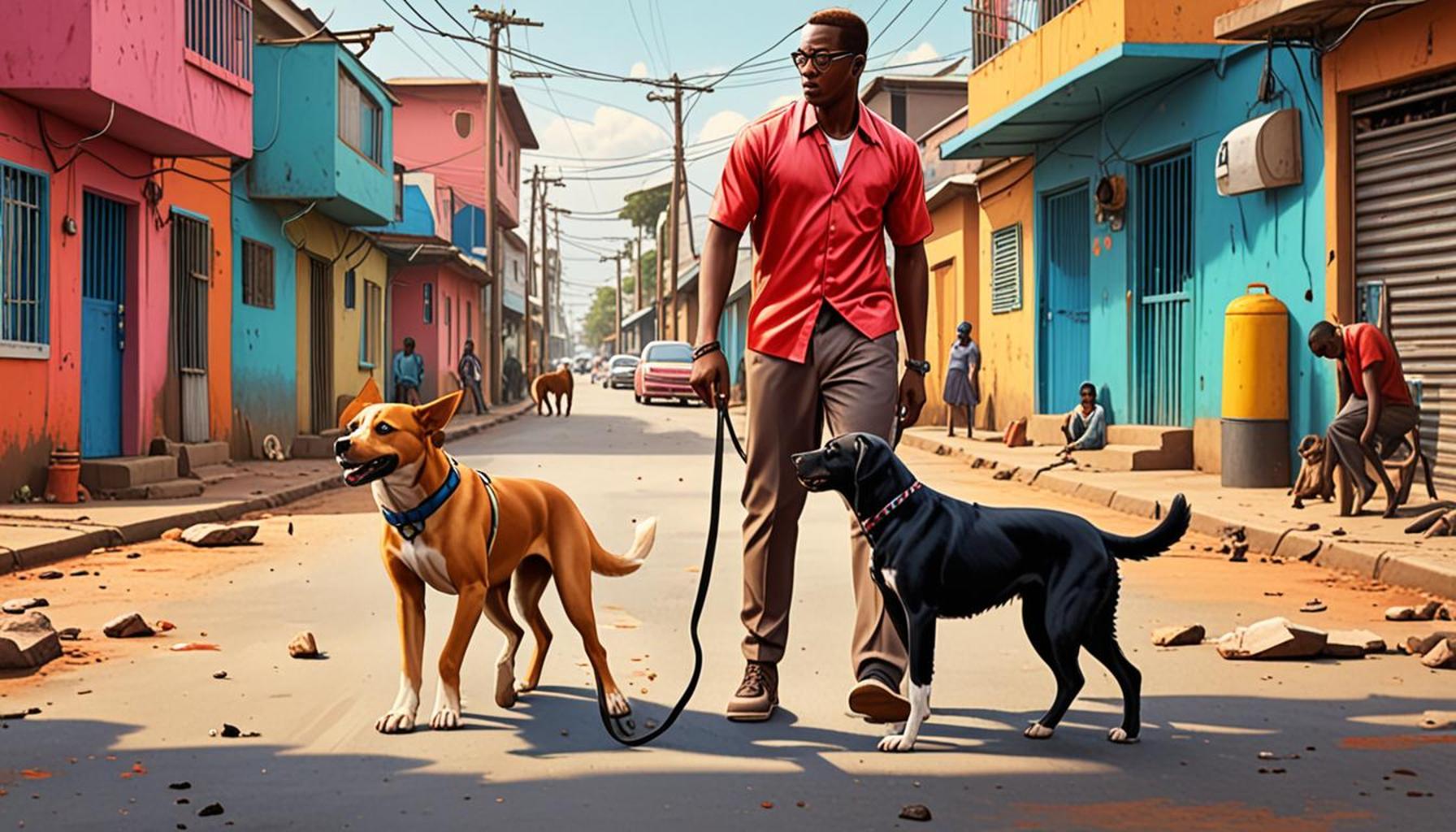
Effective Training Techniques for Dogs in Urban Environments of Nigeria

Understanding Urban Dog Training in Nigeria
Training dogs in urban environments like Lagos or Abuja is an endeavor filled with distinctive challenges. As cities experience rapid growth and an increasing number of residents embrace pet ownership, understanding the elements that influence dog training becomes crucial. Amidst the hustle and bustle, well-trained dogs can greatly enhance the lives of their owners and contribute positively to the community.
Urban environments expose dogs to a range of stimuli that are less prevalent in quieter settings. Specifically, traffic noise, large crowds, and unfamiliar sounds, such as construction or street vendors, all serve as both distractions and learning opportunities. For instance, teaching a dog to sit or stay amidst a busy market in Lagos could take on different strategies than would be needed in a suburban park. Here, the use of high-value treats or favorite toys can help focus their attention despite the surrounding chaos.
Moreover, the limited space often found in urban areas restricts traditional training methods that rely on large, open spaces. Therefore, pet owners must adapt their approaches. Utilizing local parks, community gardens, or even backyards can provide the necessary space for structured training sessions. Incorporating short, frequent training sessions during walks—such as practicing commands at traffic lights—can turn everyday outings into constructive learning experiences.
A significant advantage of urban living is the availability of socialization opportunities. In parks or on pavements, dogs encounter other pets and a variety of people. This social exposure promotes healthy behavior patterns and helps dogs develop confidence. For instance, a friendly encounter with children or other dogs can reinforce good manners. Pet owners in Nigeria can also align their training techniques with cultural practices, ensuring that their dogs are not only obedient but also well-mannered in local contexts, like respecting elders or greeting neighbors politely.
Crucial Techniques for Urban Dog Training
Ensuring success in urban dog training also hinges on a few key strategies:

- Consistency: Dogs thrive on routine. By establishing a regular schedule for walks, training sessions, and feeding, owners help their pets understand what is expected of them.
- Positivity: Reward-based training methods have shown significant success. Utilizing treats, praise, or playtime as rewards encourages dogs to repeat desired behaviors, strengthening the bond between pet and owner.
- Adaptability: Effective trainers must remain flexible, adjusting their strategies based on the changing dynamics of urban life. For example, introducing commands in varied locations helps dogs generalize their training to different settings.
Incorporating these techniques while engaging with community resources, such as local trainers or dog clubs, can bolster an owner’s ability to train effectively. Ultimately, embracing the vibrancy and challenges of urban dog training can result in well-adjusted dogs capable of thriving in any neighborhood in Nigeria. This not only fosters a better relationship between owners and their pets but also contributes to a safer and more harmonious urban environment for everyone.
SEE ALSO: Click here to read another article
Harnessing the Urban Environment for Effective Dog Training
In the vibrant urban landscapes of Nigeria, effective dog training requires a nuanced understanding of both the environment and the specific needs of urban dogs. The noise, movement, and diverse array of stimuli present in cities like Lagos and Abuja can create obstacles to training but can also serve as valuable opportunities for enhancing obedience and socialization skills. Leveraging these challenges into strengths is key to successful dog training.
A fundamental aspect in the training of dogs in urban areas is the need for consistent exposure to the myriad of sights, sounds, and smells they will encounter regularly. Urban dogs should be gradually introduced to various elements like motorcycles zooming by, street vendors hawking their wares, and the smell of spicy foods wafting through the air. This can be achieved through structured walks where dogs are rewarded for remaining calm and focused amidst these distractions. This structured exposure can help them become desensitized, reducing anxiety and improving behavior over time.
Short, intensive training sessions can be incredibly effective. Urban environments can be busy and unpredictable; therefore, incorporating training sessions into daily routines can maximize learning opportunities. Instead of setting aside large blocks of time for training, urban dog owners can use sparse pockets of time during walks or trips to the park. For example, practicing commands such as “sit” or “stay” at traffic lights transforms often-overlooked moments into engaging teaching opportunities. The key is to remain patient and provide ample positive reinforcement, ensuring that dogs feel rewarded for their efforts.
Techniques to Facilitate Urban Dog Training
Here are several techniques that urban dog owners can implement for effective training:
- Using Environmental Cues: Incorporate the urban landscape into training. Use local landmarks, busy intersections, or iconic markets as backdrops for your training exercises. Associating commands with specific locations helps dogs learn to generalize their training reviews.
- Time Management: Given the unique pace of city life, it is essential to master the art of training “on the go.” Carry a training pouch with treats and utilize short, spontaneous training sessions while navigating through bustling streets or shared spaces.
- Positive Socialization: Utilize social interactions to promote desirable behaviors. Encourage your dog to meet new people and other dogs, praising them when they respond positively. This social training can help alter instinctual behaviors and reinforce social norms, fostering a calmer demeanor during encounters with strangers.
Through the proactive application of these methods, dog owners can cultivate a rewarding training experience amidst the urban chaos, ultimately fostering well-mannered dogs who thrive in Nigeria’s dynamic environments. By viewing the urban setting as an ally rather than an obstacle, trainers and pets alike can build enriching relationships that stand the test of time.
| Advantages | Details |
|---|---|
| Adaptability | Urban training techniques emphasize adaptability, teaching dogs to effectively manage stimuli from bustling city life. |
| Socialization | These methods encourage socialization with other pets and people, crucial in an urban setting where dogs often encounter diverse interactions. |
| Safety | Focused training enhances a dog’s ability to navigate urban obstacles, ensuring their safety in crowded streets. |
| Obedience | Urban environments demand clear communication and obedience, giving owners confidence during walks and public outings. |
Effective training techniques specifically designed for urban environments in Nigeria allow dogs to thrive amid the challenges posed by city life. These tailored methods not only improve pet behavior but also create stronger bonds between dogs and owners, enhancing overall enjoyment of urban living. The key focus on socialization and adaptability encourages dogs to develop important skills, preparing them to face various social and environmental stimuli. By incorporating practical techniques that address the unique urban landscape, owners can foster responsible behavior in their pets, making both their lives more harmonious and enriching.
LEARN MORE: This related article may interest you
Building a Strong Foundation with Urban Dog Training
As urban dog owners navigate the complexities of city life, it is crucial to recognize the importance of a solid training foundation. Basic obedience commands should form the bedrock of any training program, especially in chaotic urban settings. Commands like “come,” “heel,” and “leave it” can greatly enhance a dog’s safety and control in bustling environments. Training these commands consistently and reinforcing them during high-distraction moments helps ensure that the dog understands their importance.
Furthermore, behavioral training plays a significant role in developing a well-rounded urban dog. Issues like excessive barking or reactivity to other dogs can be particularly problematic in crowded spaces. Owners can work with a professional trainer or utilize online resources to learn proper techniques for counter-conditioning, allowing dogs to become more comfortable in busy environments. Techniques such as redirecting attention and rewarding calm behavior are essential to reshaping negative reactions.
Importance of Enrichment in Urban Training
Incorporating mental stimulation into training routines is another vital aspect for urban-dwelling dogs. The excitement of street life can become overwhelming, leading to boredom and destructive behaviors if not managed correctly. Providing puzzles, interactive toys, or engaging in training games that challenge the dog mentally can help ease this turmoil. For instance, using “find it” games in local parks lets dogs utilize their keen sense of smell while enjoying outdoor time.
- Daily Outings: Take advantage of the city’s plazas, parks, and open spaces for daily outings. Regular exposure fosters adaptability and acclimatization to new environments, while also allowing owners to integrate training into these experiences.
- Participating in Local Events: Joining dog-friendly community events or training classes can present unique training opportunities. Whether it’s a dog parade or a training workshop, these events provide socialization experiences that contribute positively to a dog’s training.
- Utilizing Technology: With the proliferation of mobile apps dedicated to pet training, urban dog owners in Nigeria can access diverse training resources. From command recognition apps to training video tutorials, technology serves as a supplemental tool for reinforcing training concepts.
Keeping dogs physically fit is equally important in urban settings, as exercise contributes to mental and emotional health. Urban environments often present unique challenges surrounding space, therefore, incorporating training through active play can help maintain a dog’s physical condition while honing their skills. Activities like fetch or agility exercises in safe, designated areas foster a sense of fun and reinforce command usage.
Ultimately, effective dog training in Nigeria’s urban landscape hinges on adaptability and understanding the unique dynamics of city life. By employing a repertoire of techniques that range from basic obedience to advanced socialization and enrichment exercises, urban dog owners can cultivate a thriving relationship with their pets. This flexibility not only promotes a well-mannered canine but also enhances the overall quality of life for dogs and their owners alike. Training becomes not just a necessary chore, but a shared adventure sparkling with discoveries in the heart of Nigeria’s bustling cities.
YOU MAY ALSO LIKE: Read read another article
Conclusion: Cultivating Canine Companionship in Nigeria’s Urban Spaces
In conclusion, navigating the challenges of dog training within Nigeria’s bustling urban environments requires a holistic approach that embraces adaptability and the unique dynamics of city life. By prioritizing basic obedience and incorporating engaging behavioral training, pet owners can significantly enhance their dogs’ ability to cope with the diverse stimuli of city living. This foundation not only supports safety and control but also fosters a deeper bond between the owner and their dog.
Moreover, the integration of mental stimulation through creative training sessions and environmental enrichment is particularly essential. The vibrancy of urban life can lead to overstimulation; therefore, introducing daily outings, interactive games, and community events can alleviate boredom while enhancing social skills. Utilizing technology, such as training apps or instructional videos, empowers owners to further refine their techniques and stay informed about effective training methods.
Ultimately, exploring effective training techniques for dogs in urban environments is about more than just teaching commands. It’s about creating an enriching lifestyle that nurtures both the dog’s mental and physical health, transforming training into an enjoyable, shared journey. As urban dog owners in Nigeria implement these methodologies, they not only promote well-behaved companions but also contribute to a thriving pet culture that celebrates the joy of canine companionship amid the vibrancy of city life. For those passionate about enhancing their skillset, the quest for knowledge and improvement in dog training is an endless adventure, promising discovery and companionship with every paw print on the bustling streets of Nigeria.