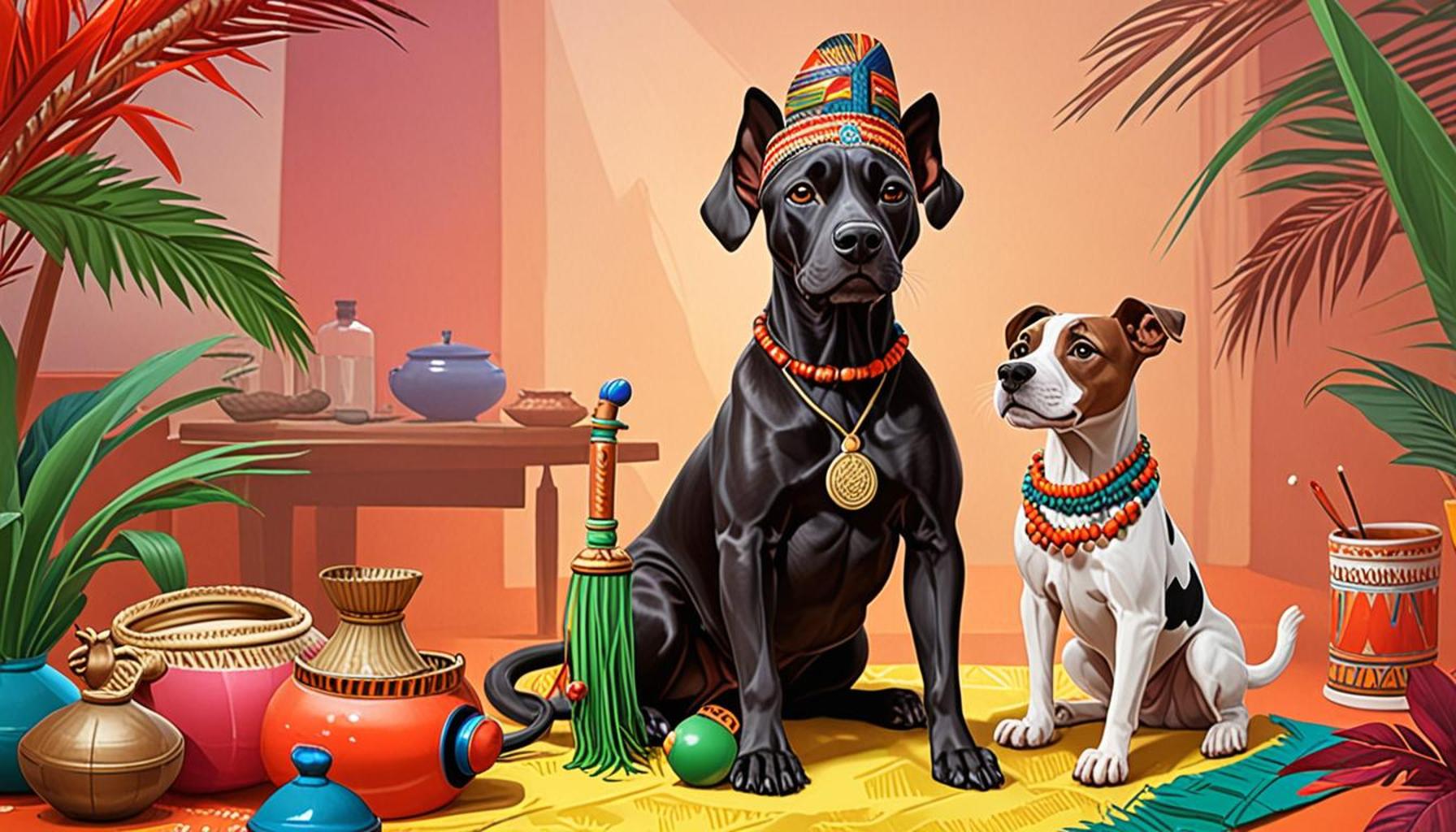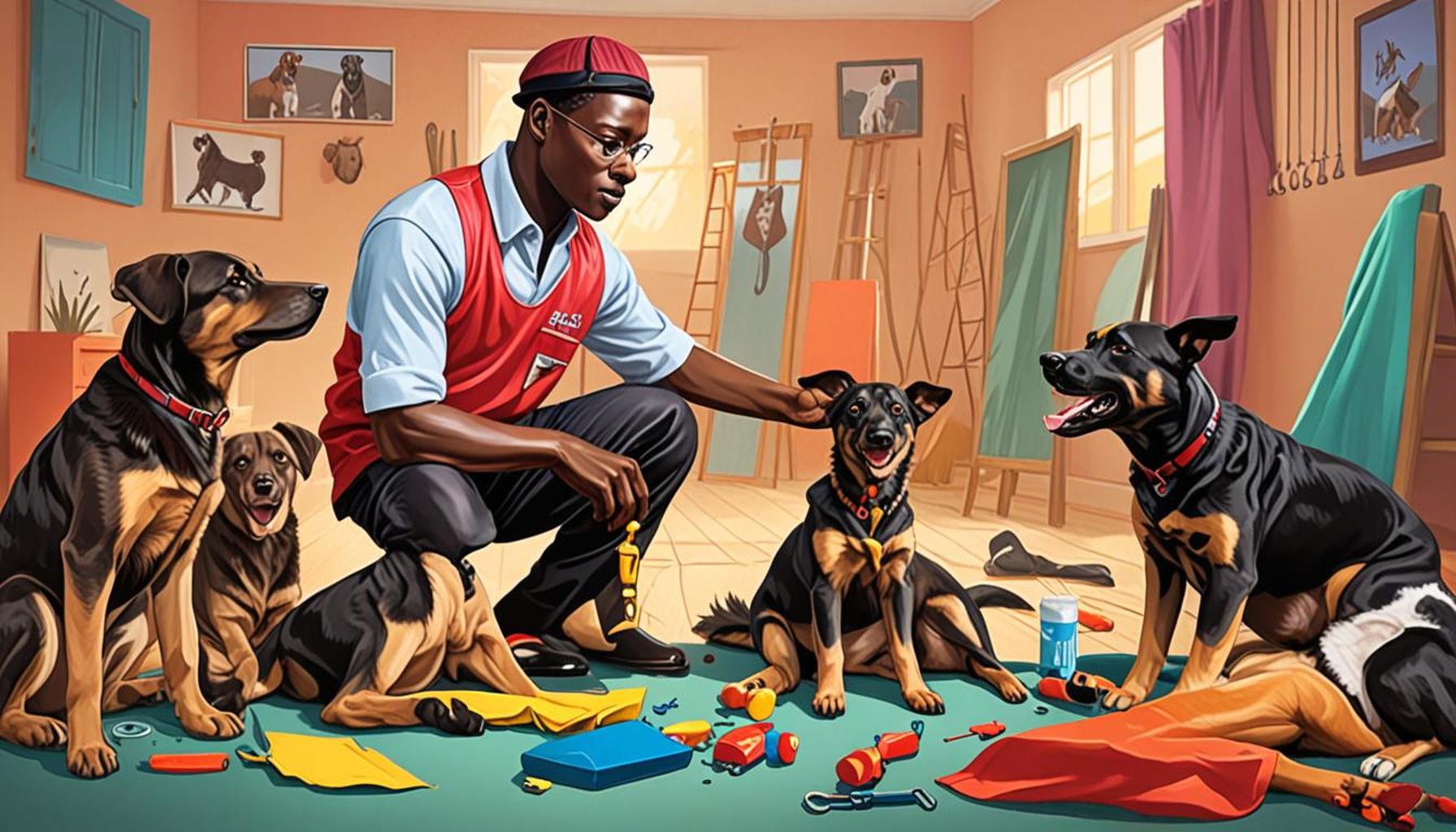
Effective dog training techniques for urban environments in Nigeria
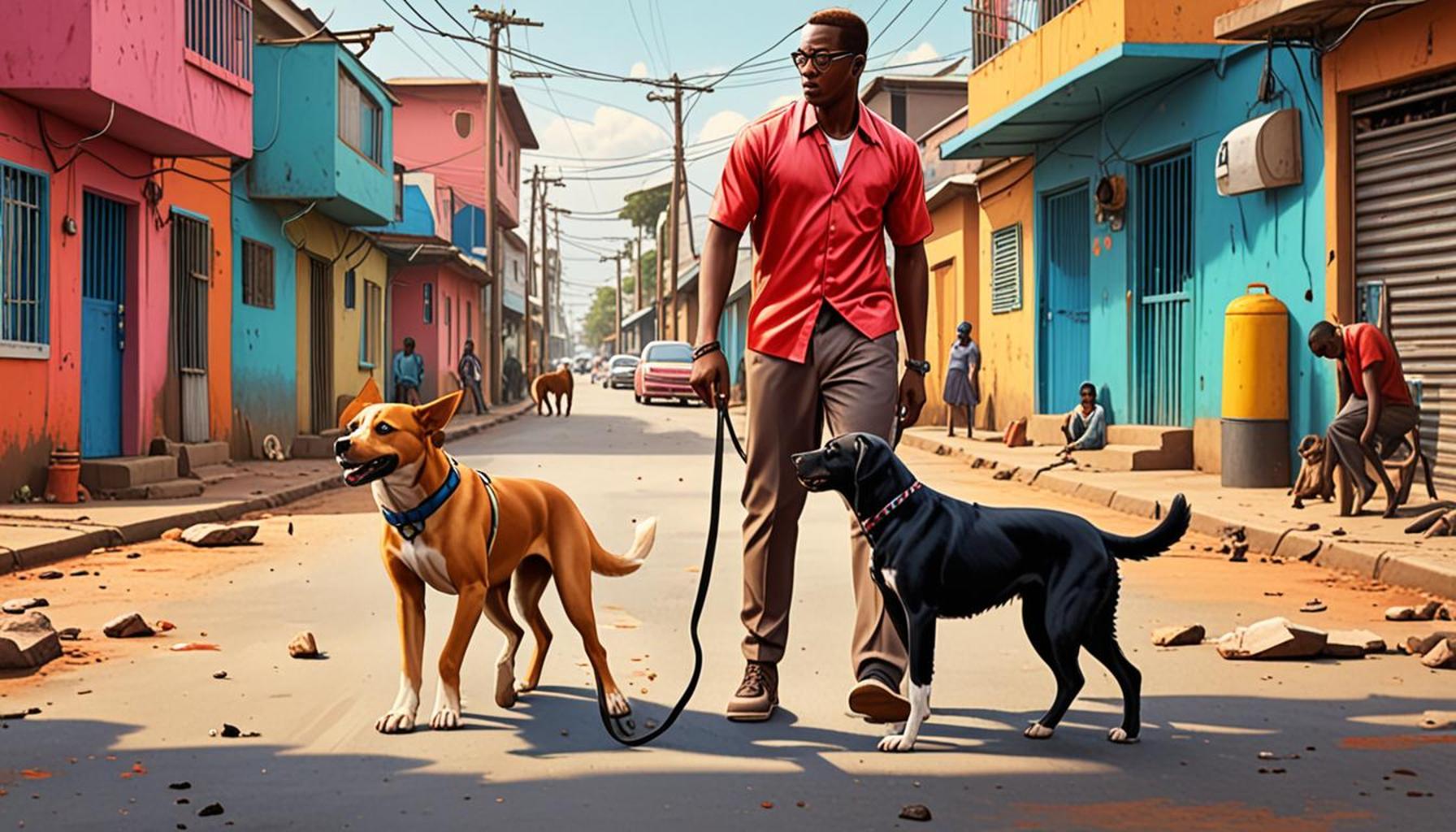
Understanding the Urban Challenges of Dog Ownership in Nigeria
Living in Nigeria’s urban areas can be a vibrant yet demanding experience for dog owners. The dynamic atmosphere, characterized by bustling streets, crowded markets, and limited green spaces, presents unique challenges that require thoughtful approaches to bring out the best in our canine companions. As communities grow denser, the need for effective training and social integration for dogs becomes increasingly important, not just for the well-being of the pets but also for fostering harmony within the neighborhood.
Key Dog Training Strategies for Urban Environments
Implementing effective dog training techniques tailored to urban settings can help dogs adapt and thrive in their fast-paced surroundings. Here are some practical strategies to consider:
- Positive Reinforcement: This training method relies on rewarding desirable behaviors with treats, praise, or playtime. For example, if your dog sits quietly while waiting for their meal amid the chaos of daily city life, rewarding them with a tasty treat will reinforce that calm behavior. This not only deepens your bond but also creates an obedient pet less likely to act out in stressful situations.
- Socialization: Regular exposure to diverse environments, sounds, and people is essential for building your dog’s confidence. Take your furry friend for walks through local parks or vibrant markets like Balogun Market in Lagos. Meeting different people and other dogs helps them learn how to behave in various social settings, reducing anxiety and aggression.
- Consistent Commands: Urban settings are often filled with noise and distractions that can confuse dogs. Using clear and consistent commands—such as “sit,” “stay,” or “come”—can help your dog respond quickly even amidst the clamor of street vendors and honking vehicles. This clarity reduces the likelihood of miscommunication between you and your pet, ensuring their safety in a bustling environment.
The Importance of Training in Lagos’ Environment
In cities such as Lagos, where noise permeates daily life and distractions are around every corner, effective training techniques are crucial. Train your dog to behave reliably in these busy areas to ensure not only their safety but also the well-being of those around them. A well-trained dog is less likely to dash off in pursuit of a passing vehicle or become aggressive towards strangers, contributing to a more peaceful urban living experience for everyone.
Leveraging Local Resources for Successful Training
Local resources, such as dog training schools or community trainers, can be invaluable in providing the guidance needed for effective training. Many communities in Nigeria have developed programs designed to help dog owners train their pets responsibly. Participating in group classes, for instance, not only provides education but also fosters a sense of community among dog lovers, allowing best practices to be shared.
Overall, embracing these urban dog training methods is essential for nurturing well-behaved pets that can adapt to their dynamic surroundings. By investing time in training and utilizing available resources, dog owners in Nigeria can enjoy an enriching companionship that enhances their urban experience while advocating for responsible pet ownership. Ultimately, these efforts can pave the way for more harmonious living, ensuring both pets and their owners can navigate the thrills and challenges of urban life with confidence.
ADDITIONAL INSIGHTS: Expand your understanding here
Adapting Training Techniques to the Urban Landscape
Dog training in urban settings, particularly in Nigeria, requires adaptation to the unique challenges posed by the surroundings. With the hustle and bustle of city life, including numerous people, vehicles, and sounds, the training environment can be overwhelming for both dogs and their owners. To ensure success, it’s essential to implement methods that cater directly to these urban realities, making training effective and enjoyable.
Tailored Training Approaches
To navigate the complexities of urban dog training, dog owners can utilize a range of tailored training approaches. Here are some vital techniques that can enhance training sessions in bustling Nigerian cities:
- Short, Frequent Sessions: Given the numerous distractions in urban areas, it is beneficial to conduct short training sessions that last no longer than 10-15 minutes. Frequent repetition throughout the day will help reinforce commands and keep the dog’s attention, allowing for better learning retention.
- Environmentally Relevant Commands: In an urban setting, your dog will face various stimuli such as street noise, bicycles, and crowds. Incorporating commands that specifically address these challenges, such as “leave it” for grabbing unwanted items or “watch me” to regain focus in crowded areas, can greatly aid in maintaining control.
- Leash Training: Teaching your dog to walk politely on a leash is imperative in urban spaces where close encounters with pedestrians are common. Invest time in leash training, ensuring your dog remains calm and responsive as you navigate busy streets. Utilize techniques like stopping when the dog pulls and rewarding them for walking beside you.
Enhancing Focus amid Distractions
For dogs to thrive in urban settings, enhancing their focus amidst distractions is crucial. One effective method is to gradually introduce your dog to busy environments. Start in a less crowded area and progressively expose them to progressively busier surroundings. During these excursions, it’s essential to reward your dog for maintaining focus on you, thereby reinforcing positive behavior.
Additionally, the use of high-value treats can significantly enhance their engagement during training. These treats should be more enticing than their regular food or toys, encouraging your dog to pay attention amidst competing stimuli. Given the variety of local delicacies available, consider using pieces of cooked chicken or fish as special rewards that make the training sessions feel rewarding.
Fostering Community Involvement
Engaging with other dog owners and trainers in urban neighborhoods can provide support and camaraderie throughout the training process. Community events, such as pet fairs or dog training meet-ups, can serve as excellent opportunities to share experiences and learn from one another. Many urban areas in Nigeria are now facilitating such gatherings, helping dog owners to network and exchange useful training anecdotes.
In summary, by adapting training techniques to the realities of urban life, dog owners in Nigeria can effectively shape the behavior of their pets. Emphasizing short sessions, relevant commands, and community collaboration will yield positive outcomes in creating well-mannered dogs that can confidently navigate the urban environment.
Urban environments in Nigeria present unique challenges and opportunities for dog training. With high population density, limited outdoor space, and the bustling activities characteristic of urban life, creating an effective training plan tailored to these conditions is crucial for both the dog’s and owner’s well-being. The techniques outlined below integrate environmental factors, ensuring that both the owner and the dog can navigate urban living harmoniously.
Utilizing Positive Reinforcement
One of the most effective training techniques is positive reinforcement. This method involves rewarding desired behaviors, which encourages the dog to repeat those behaviors in the future. Training in urban settings offers numerous opportunities for using treats, praise, and toys as rewards. For instance, when teaching your dog to sit and stay amidst distractions like noise or passersby, rewarding them promptly when they obey can significantly improve their learning curve.
Leash Training in Crowded Areas
Mastering leash manners is vital in urban environments where crowded sidewalks, cars, and bicycles are the norm. Teaching your dog to walk calmly on a leash requires consistency and patience. Start in low-distraction areas and gradually increase the challenge. Utilize techniques such as stopping often and rewarding your dog for maintaining a loose leash, which helps to prevent pulling and enhances control during outings.
Socialization: Building Confidence
Exposing your dog to various urban experiences is essential for socialization and building confidence. Taking your dog to bustling markets, parks, or community events helps them acclimate to diverse stimuli. Introduce your dog gradually and always use positive reinforcement to create a positive association with new experiences. Such socialization techniques effectively reduce anxiety and fear, boosting your dog’s adaptability to urban life.
Desensitization to Noise and Movement
Urban areas can be noisy and unpredictable. Gradual desensitization is a crucial technique that involves exposing your dog to various sounds such as traffic, sirens, and loud music. Start with low volumes and gradually increase as your dog becomes more comfortable. Pair this exposure with rewarding calm behavior, fostering a more relaxed disposition in busy urban scenarios.
Incorporating these techniques into your dog’s training regime ensures they become well-adjusted urban companions. As you navigate the challenges of urban living in Nigeria, remember to be patient, consistent, and always seek to reinforce good behavior, creating a rewarding experience for both you and your furry friend.
| Training Technique | Advantages |
|---|---|
| Positive Reinforcement | Encourages desired behaviors, builds trust. |
| Leash Training | Enhances control in crowded areas, prevents pulling. |
| Socialization | Reduces fear and anxiety, promotes adaptability. |
| Desensitization to Noise | Fosters relaxation in busy urban scenarios. |
RECOMMENDED: Check out this similar article
Maximizing Socialization Opportunities
In urban environments, socialization plays a pivotal role in dog training. Proper socialization not only helps dogs become more adaptable to their surroundings but also contributes significantly to their overall well-being. An effective strategy is to regularly expose your dog to a variety of people, environments, and other animals, ensuring safe and positive encounters. This can be accomplished through visits to parks, pet-friendly cafes, or even local markets where dogs can experience the vibrant hustle of city life.
Utilizing Dog Parks and Social Groups
Many Nigerian cities now have designated dog parks that provide an ideal space for socialization. These parks not only give dogs the freedom to run and play but also present opportunities for interaction with other dogs and their owners. Engaging in this manner allows dogs to learn important social cues while building confidence in their ability to navigate similar environments. Moreover, joining local dog training groups or clubs fosters a sense of community and enables sharing of experiences from fellow dog owners, all of whom face similar challenges in city life.
Incorporating Urban Challenges into Training
In urban settings, dogs face a unique set of challenges that can include busy streets, public transport, and other animals. Incorporating these real-life scenarios into training sessions helps prepare dogs for everyday encounters. For instance, practicing commands like “stay” and “come” while navigating a busy street or teaching your dog to “wait” before rushing out of a door can enhance their safety and responsiveness. By intentionally creating these training opportunities, dog owners can build their pets’ skills while reinforcing desirable behavior.
The Importance of Positive Reinforcement
Providing consistent positive reinforcement is key to effective dog training, especially in an urban environment filled with distractions. By rewarding desired behavior with treats, praise, or toys, dogs learn to associate good behavior with positive outcomes. For instance, during a walk in a crowded area, praising your dog for ignoring other dogs or people reinforces calm behavior. This technique not only encourages compliance but also strengthens the bond between dog and owner, making training a more enjoyable experience.
Multi-Sensory Experience Training
Urban areas are rich in sensory experiences—from the sounds of honking cars to the sights of bustling markets. Integrating these sensory stimuli into training sessions can enhance a dog’s adaptability. Train in different environments, subjecting your dog to various sounds and sights gradually to desensitize them to the overwhelming stimuli often encountered in Nigerian cities. This multi-sensory approach can aid in reducing anxiety and enabling dogs to focus, making them better companions for urban dwellers.
Additionally, consider exposing your dog to various street activities, like outdoor events or city festivals, to further familiarize them with the urban atmosphere. Such experiences reinforce confidence and significantly reduce the likelihood of unwanted behaviors, such as barking or pulling, that can occur when faced with unforeseen circumstances.
Engaging Professional Trainers
For some urban dog owners, seeking the guidance of a professional dog trainer can result in more effective training. Experienced trainers understand the nuances of urban environments and can provide tailored methods suited to each pet’s needs. They can also introduce techniques that owners may not have considered, such as clicker training, which reinforces behaviors by using a sound marker that signals good behavior, followed by a reward.
In summary, effective dog training techniques in urban environments present unique opportunities to enhance your dog’s skills and behaviors. By prioritizing socialization, positive reinforcement, and adapting to real-life situations, dog owners in Nigeria can create well-balanced and adaptable pets capable of thriving in the dynamic city landscape.
YOU MAY ALSO LIKE: Read read another article
Conclusion
As urbanization in Nigeria continues to expand, the need for effective dog training techniques tailored for city living has never been more crucial. Urban environments present a unique set of challenges for dog owners, including noise, crowds, and a plethora of distractions. To help dogs thrive in these dynamic settings, it’s essential to focus on key areas such as socialization, exposure to urban stimuli, and positive reinforcement.
By utilizing dog parks and engaging with local training groups, owners provide their pets with opportunities to interact with others, thereby developing essential social skills. Incorporating urban experiences into training routines prepares dogs for real-life encounters, enhancing their safety and emotional resilience. Notably, positive reinforcement remains a fundamental aspect of successful training, fostering a loving relationship between owner and pet while shaping desirable behaviors.
Moreover, engaging professional trainers can offer personalized strategies that account for individual dog needs and urban challenges, ensuring effective results. As the vibrant cities of Nigeria continue to evolve, dog owners must embrace these multifaceted training techniques to cultivate well-adjusted pets capable of navigating their bustling environments. Ultimately, investing in the right training techniques not only enriches the dog’s life but also strengthens the bond with the owner, creating harmonious living spaces within our urban experience.
As you embark on your dog training journey in Nigeria’s urban landscape, remember that patience and consistency play pivotal roles. Consider every training session an opportunity for your dog to learn and grow, and together, you can conquer the fast-paced world of city life.