
Challenges Faced by Pet Adopters in Urban Areas of Nigeria
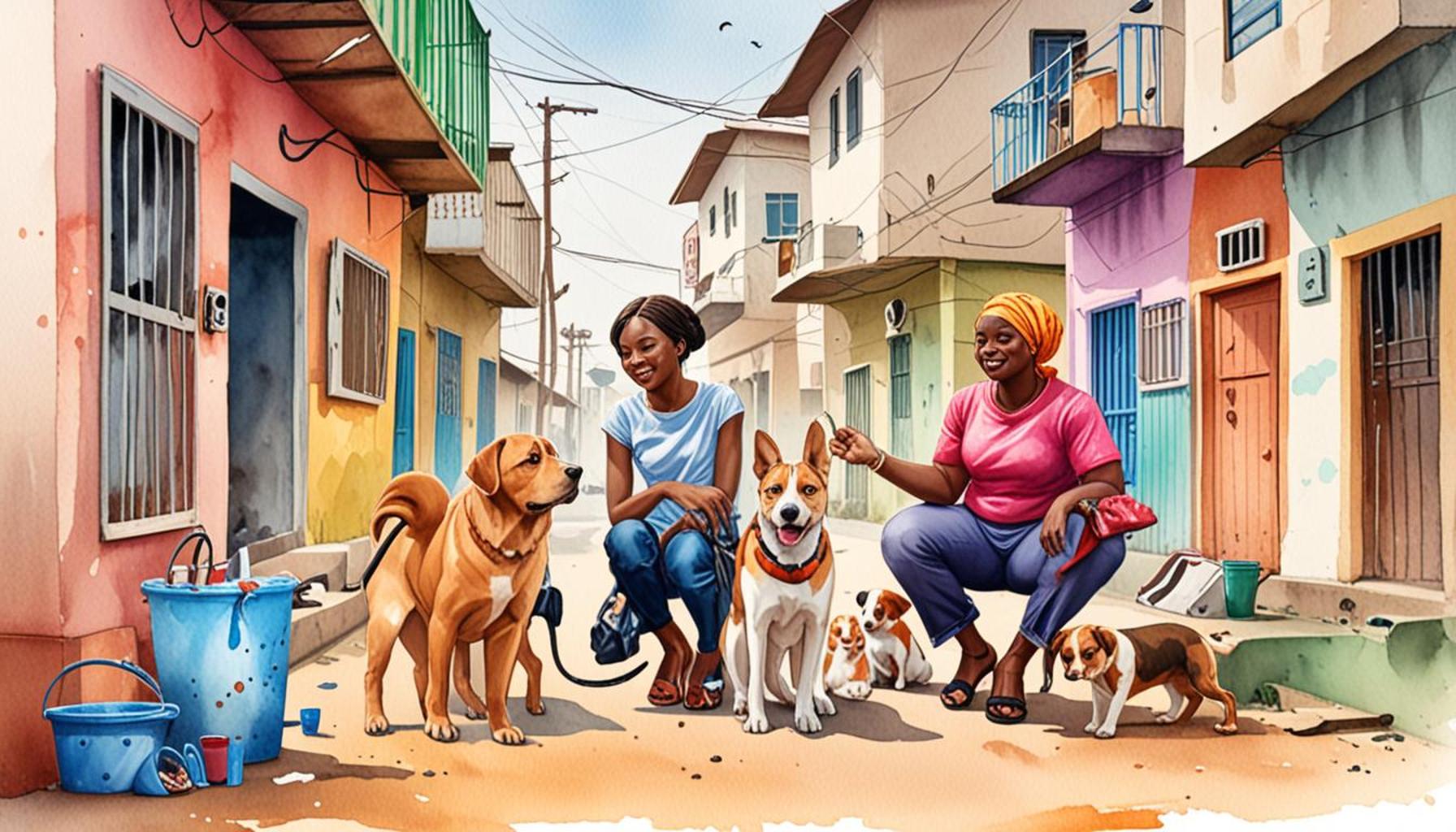
The Challenges of Pet Adoption in Urban Nigeria
Adopting a pet in Nigeria’s bustling urban landscape can be a delightful journey filled with companionship and love, but it is not without its hurdles. Each day, more individuals in cities like Lagos and Abuja seek furry friends to enhance their lives, yet the complexities of city living often create obstacles that can deter even the most enthusiastic pet owners.
Limited Space
One of the most pressing issues for urban adopters is the limited space available for pet ownership. Most city dwellers reside in flats or apartments where spaciousness is a luxury. Owning large breeds such as Rottweilers or German Shepherds may not only be impractical due to their size but also because they require ample space to move freely and thrive. This limitation can also restrict the amount of physical activity pets receive, potentially leading to behavioral issues stemming from stress or boredom.
High Cost of Care
Financial considerations also play a significant role in the pet adoption process. High costs of care ranging from veterinary bills to food and grooming can strain budgets. In cities like Lagos, where the cost of living is already high, potential pet owners must carefully assess their finances. Vaccinations, regular check-ups, and emergency vet visits can contribute to significant expenses. Furthermore, specialized pet foods or organic options may be more accessible in urban areas, driving up costs for health-conscious owners.
Social and Legal Restrictions
Urban adopters must also navigate social and legal restrictions that can complicate the pet adoption process. Many cities have enacted laws banning the ownership of certain breeds perceived as dangerous. For instance, breeds like Pit Bulls and Doberman Pinschers might face stiff regulations, leaving potential adopters frustrated as they search for breed-appropriate companions. Additionally, safety concerns can arise in communities where aggressive or large animals are not well-regulated, leading to anxieties for both pet owners and non-pet owners alike.
Quality of life for pets can also be affected by the urban environment. Urban challenges pose concerns such as noise pollution from traffic and construction, which can be distressing for pets. Moreover, the lack of green spaces limits opportunities for exercise and leisure, leading to a lifestyle that may not be suitable for many pet breeds that thrive on being active.

Resource Limitations
The struggle to find appropriate resources and services further complicates pet ownership in Nigeria’s cities. Limited access to training facilities and groomers can stunt a pet’s development or lead to a lack of socialization. Many urban areas lack well-maintained parks or designated pet-friendly zones, making outdoor activities a challenge, thus hampering the integration of new pets into city life.
To navigate these challenges effectively, it is vital for potential pet owners to research and prepare for the realities of urban pet ownership. By acknowledging the existing barriers and planning accordingly, one can foster a rewarding experience for both the owner and their new companion. Understanding these intricate dynamics will equip prospective adopters with the tools needed to enhance not only their lives but also those of their future four-legged friends.
SEE ALSO: Click here to read another article
Environmental Factors
The urban environment presents a unique set of challenges for pet adopters in Nigeria. Issues like air pollution, traffic congestion, and noise can severely affect a pet’s health and well-being. For instance, urban pets are often exposed to higher levels of air pollutants which can lead to respiratory problems over time. The constant hustle and bustle of city life can also contribute to increased stress levels in pets, making it crucial for adopters to be aware of their emotional health.
Moreover, the urban setting can limit access to green spaces, which are essential for pets to exercise and socialize. Cities like Lagos and Abuja may have parks, but these areas can often be overcrowded, with many not having designated spaces for pets to roam freely. This scarcity of pet-friendly areas can lead to inadequate physical stimulation, causing issues such as weight gain, anxiety, and destructive behavior in pets.
Community Challenges
The community dynamics in urban areas can also complicate pet ownership. Stray animals are a common sight in Nigerian cities, and they can introduce a range of difficulties for pet adopters. Interaction between pets and strays can pose significant health risks, including the transmission of diseases like rabies. Additionally, pets that are not properly socialized may become aggressive or overly territorial, leading to conflicts with neighbors or other pets.
Furthermore, not allurban communities embrace pet ownership. Some neighborhoods harbor negative perceptions around pets, leading to potential ostracism for pet owners. This social stigma may deter individuals from adopting, as the fear of backlash can take precedence over the joy of companionship. Having a supportive community is essential for a successful pet adoption experience, as interaction with fellow pet owners can enhance both the owners’ and pets’ quality of life.
Accessibility of Veterinary Services
Another significant hurdle for prospective pet adopters is the accessibility of veterinary services. In many urban areas, high demand for veterinary services can lead to overcrowded clinics, long wait times, and a shortage of qualified professionals. This situation may result in pet owners delaying necessary healthcare for their pets due to the inconvenience or increased costs associated with premium services. Emergency veterinary care can be particularly challenging to come by, adding to the stress for first-time adopters uncertain about their pets’ health needs.
- Emergency vet visits may incur high costs.
- Availability of specialized care varies, depending on the area.
- Limited public awareness on pet health needs can further exacerbate issues.
To overcome these challenges, potential adopters in urban Nigeria must prioritize research and planning. A strong understanding of the nuances involved in urban pet ownership can help bridge the gap between aspiration and reality, making it easier to successfully welcome a pet into their lives while ensuring a fulfilling experience for both parties.
| Category | Challenges |
|---|---|
| Housing Limitations | Many urban dwellings do not permit pets, restricting adoption opportunities. |
| High Costs | Pet ownership in urban areas incurs expenses like veterinary care, food, and supplies, which can be overwhelming. |
| Limited Space | Small living spaces can make it difficult to accommodate larger dogs or active breeds. |
| Access to Green Spaces | Urban areas often lack pet-friendly parks, limiting exercise opportunities for pets. |
As pet adoption becomes increasingly popular in urban Nigeria, understanding the challenges faced by pet adopters is crucial in addressing these issues effectively. The limitations imposed by housing restrictions can be a significant barrier, as many landlords are reluctant to accept pets, creating a dilemma for enthusiasts eager to adopt. Additionally, the high costs associated with veterinary care and pet supplies weigh heavily on potential adopters, which can deter individuals from following through with adoption. Furthermore, limited space poses a challenge for many pet owners. With many urban dwellers living in apartments, accommodating larger breeds becomes impractical. Lastly, access to green spaces is often limited in cities. This not only impacts the physical health of pets but can also affect their mental well-being. These are just some of the key challenges that highlight the complex landscape of pet adoption in Nigeria’s urban areas. Addressing these issues may help foster a more pet-friendly environment.
YOU MAY ALSO LIKE: Read read another article
Financial Implications
Owning a pet in urban Nigeria entails a variety of financial responsibilities that can be overwhelming for new adopters. The costs associated with pet care—ranging from food and grooming to veterinary services—can quickly add up. In bustling cities such as Lagos, where the cost of living can be exorbitant, this financial burden can deter potential adopters from the very beginning.
For instance, quality pet food, which is crucial for a healthy diet, can be significantly more expensive than in rural areas, and many adopters find it challenging to find affordable, yet nutritious options. Additionally, some urban environments have limited access to affordable pet supply stores, forcing owners to rely on online purchases or specialized shops that can charge a premium. This scenario creates a barrier for those who genuinely wish to provide a loving home for a pet but are constrained by their finances.
Moreover, the unpredictability of emergency veterinary costs can add another layer of stress. First-time adopters may not anticipate the need for unexpected medical treatments or injuries, leading to potential financial strain. Many pet owners also overlook costs associated with routine vaccinations and check-ups, which are essential in maintaining a pet’s health. To navigate these financial challenges, adopters must be diligent in budgeting and planning for both expected and unforeseen expenses.
Limited Support Networks
Another obstacle for pet adopters in urban areas is the absence of support networks. Unlike rural areas where communities traditionally rally around shared experiences, urban environments often lack a cohesive network for pet owners. This gap can lead to feelings of isolation for new adopters, particularly when they encounter challenges related to behavior or training.
Without access to local training classes or socialization opportunities, new pet owners may struggle to instill good behavior in their pets. For many city dwellers, the idea of attending dog training sessions is daunting due to travel time and costs involved. Moreover, the unavailability of local pet clubs or community groups can discourage single pet owners from reaching out for assistance or sharing experiences with others who face similar challenges.
Existing online platforms can sometimes fill this void; however, they often lack the personal touch needed to address specific local concerns. Many adopter forums cater to a broad audience, which can dilute the relevance of the information provided. Without localized support, newcomers to pet ownership may find themselves feeling overwhelmed and unsure, further emphasizing the need for community-centered resources.
Housing Restrictions
Housing restrictions often present another significant challenge for pet adopters in urban Nigeria. Many landlords and property managers have strict rules against pet ownership, stemming from fears of property damage or disturbances caused by animals. As urban populations grow, the demand for rental properties increases, leaving pet owners with fewer housing options. This limitation may compel prospective adopters to alter their commitment to adopting a pet, even if they are equipped to care for one.
Furthermore, even pet-friendly accommodations may impose strict regulations regarding the type and size of pets allowed. For instance, larger breeds might be prohibited in certain multi-family units, leading potential adopters to rethink their choices or settle for smaller pets that they may not truly wish to own. Navigating the local rental market requires substantial awareness of available pet policies, making careful research a necessity for those hoping to add a furry family member.
These layers of challenges can seem daunting for potential pet adopters, yet they underscore a growing need for solutions that take into account the unique experiences of urban pet ownership in Nigeria. As the conversation around pet adoption continues to evolve, so does the imperative to create a more accommodating and supportive environment for pet lovers wishing to embrace the joy of animal companionship in the city.
YOU MAY ALSO LIKE: Read read another article
Conclusion
The journey of pet adoption in urban areas of Nigeria is riddled with a spectrum of challenges that potential pet owners must navigate. From the financial implications of owning a pet to the overwhelming absence of community support networks, urban adopters face unique obstacles that can hinder their capacity to provide loving homes. As we have seen, the costs associated with high-quality pet care can be a considerable barrier, especially in cities where living expenses soar. Furthermore, the restrictions imposed by some landlords on pet ownership add a layer of complexity that dissuades many from taking the plunge into pet adoption.
Yet, it is essential to recognize that these challenges also highlight a growing demand for innovative solutions that cater to the distinct lifestyle of urban pet owners. Establishing community initiatives, like local pet clubs or affordable training sessions, can foster a sense of belonging among pet adopters, encouraging collaboration and sharing of resources. Additionally, advocating for more pet-friendly housing options can significantly improve the living situation for those eager to welcome pets into their homes.
Ultimately, as urban centers continue to expand and evolve, understanding and addressing these challenges can create a more inclusive environment for both pets and their owners. By encouraging discussions around the issues faced by pet adopters, we pave the way for actionable strategies that not only facilitate responsible pet ownership but also enrich the community as a whole. The call to action resonates clear: it is time for stakeholders—from local governments to pet advocacy groups—to champion initiatives that support and uplift pet adopters, ensuring that the joys of animal companionship can be embraced by all, irrespective of the urban landscape.