Menu

Tips for a Safe Transition to a New Pet Diet

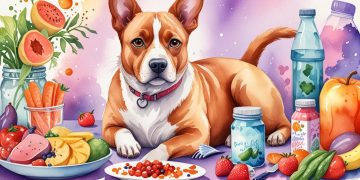
Transitioning your pet to a new diet is crucial for their health and well-being. A gradual introduction helps prevent digestive issues, while consulting your veterinarian ensures tailored dietary choices. Monitoring their response and selecting high-quality ingredients enhance this process, fostering a positive and nourishing mealtime experience.

The Relationship between Nutrition and Common Diseases in Pets

Proper pet nutrition is essential for preventing common diseases such as obesity, diabetes, and heart illness. Understanding dietary needs and choosing high-quality ingredients can enhance pets' health and longevity. Pet owners should consult veterinarians and prioritize balanced diets to foster a happier, disease-free life for their furry companions.

Nutrition Tips for Specific Breeds of Dogs and Cats

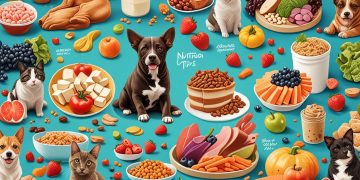
Understanding the unique nutritional needs of specific dog and cat breeds is essential for promoting their health and longevity. Tailored diets considering breed, age, and activity levels can significantly enhance your pets' wellbeing. Consult with a veterinarian to optimize nutrition for happier and healthier companions.

Natural Foods vs. Commercial Feed: What Is Better for Your Animal?

This article explores the benefits and drawbacks of natural foods versus commercial feed for livestock and pets, particularly in Nigeria. It emphasizes the importance of tailored nutrition based on species and regional practices, advocating for a balanced approach to enhance animal health, productivity, and food security in sustainable farming.

Homemade Food for Pets: Benefits and Necessary Care

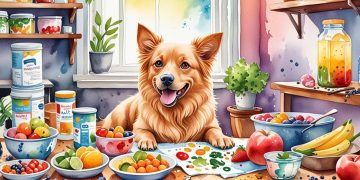
Discover the numerous benefits of homemade food for pets, including improved health, better control over ingredients, and enhanced bonding. Careful meal planning and monitoring for allergies are essential for nutritional balance and safety. Embrace the rewarding process of crafting tailored meals to support your pet's well-being and happiness.

Strategies to Control Your Pet’s Weight Through Nutrition

Effective weight management for pets through nutrition is vital for their health and happiness. Strategies include portion control, choosing quality foods, offering healthy treats, and maintaining a feeding schedule. Consulting with veterinarians and encouraging exercise enhances overall well-being, supporting a balanced diet for long-term success in controlling your pet's weight.

The Influence of Nutrition on Pets’ Behavior and Well-Being

Nutrition significantly impacts pets' behavior and well-being, influencing their mood, energy levels, and temperament. A balanced diet rich in essential nutrients helps reduce anxiety, aggression, and other behavioral issues. Understanding dietary elements promotes healthier and happier lives for pets, emphasizing the importance of tailored nutritional choices.

The Importance of Consulting a Veterinarian about Your Pet’s Nutrition

Consulting a veterinarian about your pet's nutrition is essential for their health and well-being. Vets provide personalized dietary advice tailored to your pet's specific needs, helping to prevent health issues, manage weight, and ensure optimal nutrition. This partnership fosters a healthier, happier life for your beloved furry companion.

How Nutrition Affects the Longevity of Pets

Proper nutrition is essential for enhancing pet longevity and overall health. A balanced diet rich in quality proteins, vitamins, minerals, and healthy fats significantly impacts pets' vitality and resilience, helping to prevent chronic diseases. Incorporating local ingredients can further tailor diets to meet unique nutritional needs, ensuring a long, healthy life for pets.

Nutritional Supplements: When and How to Use Them to Improve Your Pet’s Health

Nutritional supplements can significantly enhance your pet's health by filling dietary gaps and addressing specific health concerns. Tailoring supplementation to your pet's age, health issues, and lifestyle is crucial for optimal benefits. Always consult a veterinarian for guidance on choosing and administering the right supplements effectively.