Behavioral Care: How to Understand and Treat Anxiety in Pets
Understanding Pet Anxiety
Pet ownership comes with its own set of joys and challenges, and one of the most common issues faced by loving pet owners is anxiety. Pets, just like humans, can experience stress and anxiety that can affect their behavior and overall well-being. Recognizing the signs of anxiety in pets is crucial for ensuring they lead happy, healthy lives. Achieving this starts with understanding the nature of anxiety in our pets and how it manifests in their daily behavior.
Signs of Anxiety in Pets
It is important to be aware of the various indicators of anxiety in your furry friends. Common signs include:
- Excessive barking or howling: This vocalization can indicate distress, especially when triggered by environmental factors or separation from their owners.
- Destructive behavior: Chewing on furniture or scratching walls not only signifies anxiety but can also lead to injuries or damage in the home.
- Inappropriate elimination: Pets may urinate or defecate indoors when stressed, marking it as a sign they are overwhelmed.
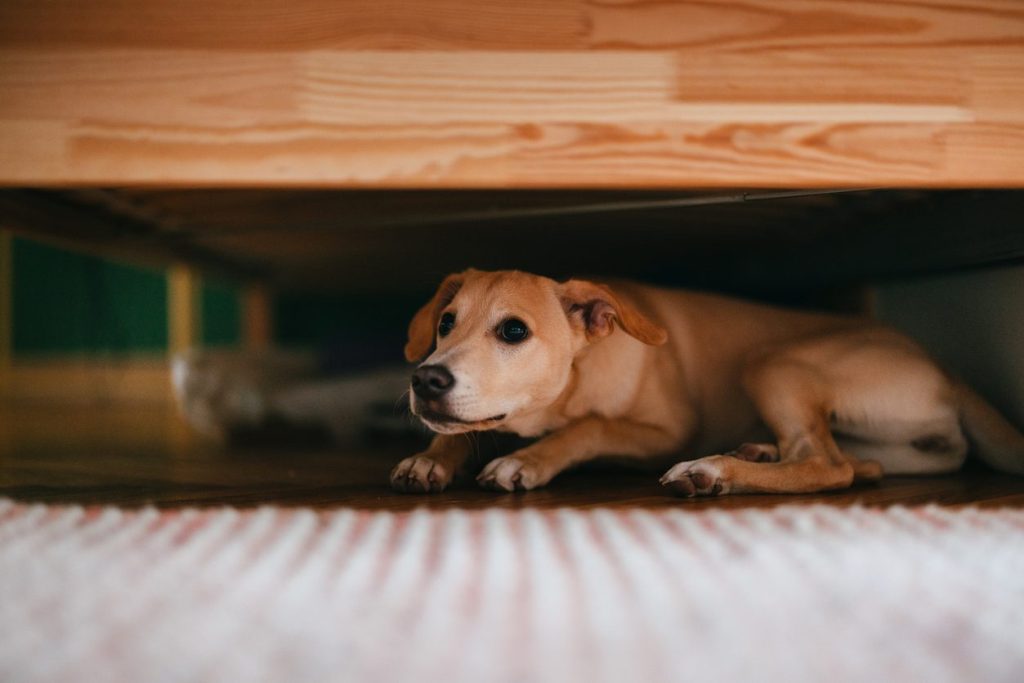
- Withdrawal: If your pet starts hiding from family members or stops interacting, it’s essential to recognize this as a cry for help.
- Excessive grooming: Over-grooming can lead to bald patches and skin irritations, which complicate the problem and require veterinary attention.
These signs are not just fleeting behaviors; they can have long-term implications on a pet’s health if not addressed. Owners should keep a close watch on their pets for any unusual signs as a proactive measure. For example, a dog that suddenly starts chewing its bed or a cat that paces incessantly may need immediate attention.
Common Triggers
Understanding the triggers that can lead to anxiety in pets is a fundamental aspect of behavioral care. Some of the common triggers include:
- Changes in the environment: Moving to a new home can unsettle pets deeply, as they thrive on routine and familiar surroundings. In Nigeria, where housing can be quite different from rural to urban settings, this change can be especially significant.
- Loud noises: Events like thunderstorms, fireworks, or even street noise can frighten pets, leading to anxiety. With festive occasions rife in Nigeria, sudden bursts of loud sounds due to celebrations can trigger fear in sensitive pets.
- Separation from their owners: Pets often form strong attachments to their owners, making absence due to work or travel a major source of stress.
By identifying these behaviors and triggers, pet owners in Nigeria can take actionable steps to treat and manage their pets’ anxiety effectively. Understanding that every pet is unique, owners can tailor their approach based on individual reactions to known stressors. In the following sections, we will delve deeper into the approaches and strategies that can help provide relief for anxious pets, ranging from behavioral practices to seeking professional help when necessary.
In conclusion, awareness and education are key to addressing pet anxiety. By being vigilant and compassionate, pet owners can ensure their companions lead fulfilling and less stressful lives, ultimately enriching the bond they share with their furry friends.
SEE ALSO: Click here to read another article
Effective Approaches to Manage Pet Anxiety
Once pet owners become aware of the signs and triggers of anxiety in their pets, the next step is implementing effective strategies for management and treatment. These approaches can vary significantly, depending on the individual pet’s needs, but a combination of behavioral modifications, environmental adjustments, and in some cases, medical intervention, can lead to profound improvements in their quality of life.
Behavioral Interventions
Behavioral interventions are essential in helping pets cope with anxiety. Here are some effective techniques:
- Desensitization: This process involves gradually exposing your pet to the source of anxiety in a controlled manner. For instance, if loud noises trigger your dog, playing recordings of such sounds at a low volume can help them become accustomed to it over time.
- Counter-conditioning: Pairing a previously anxiety-inducing stimulus with something positive can change your pet’s emotional response. This might include providing treats or affection when your pet encounters a trigger that causes anxiety.
- Positive reinforcement training: Using rewards to encourage desired behavior is one of the most effective ways to modify anxiety-driven actions. Consistency and patience are key in reinforcing good behavior during stressful scenarios.
Pet owners can also consider incorporating enriched environments that provide mental stimulation, as boredom can exacerbate anxiety. Interactive toys, puzzle feeders, and regular playtime can greatly benefit anxious pets. Moreover, establishing a predictable routine helps pet owners feel secure, reducing anxiety levels significantly.
Environmental Modifications
Creating a calm and safe space for your pet is fundamental in alleviating anxiety. Owners in Nigeria can take steps such as:
- Designating a safe haven: Create a quiet area in your home where your pet can retreat when feeling anxious. This is particularly critical during events like thunderstorms or festivities, where noise levels may spike.
- Using calming products: Various products exist to help soothe anxious pets, such as anxiety wraps, pheromone diffusers, or calming music. These products can be easily implemented into daily routines and help create a more reassuring atmosphere.
- Providing regular exercise: Physical activity is vital for reducing anxiety levels. In Nigeria’s bustling environment, opportunities for outdoor play in safe areas can also assist in managing stress levels and promote a healthier lifestyle.
Importantly, each pet is unique. While one strategy may work effectively for one animal, another may require a different approach. Continuous observation and adaptation of strategies are essential for optimal results. Understanding your pet’s reactions to various treatments can provide invaluable insights into their emotional needs, ultimately leading to a happier and healthier companion.
In conclusion, implementing a multifaceted approach toward managing pet anxiety not only enhances the bond between pets and their owners but also fosters a nurturing environment conducive to their emotional health. As pet owners in Nigeria become more aware of anxiety issues in their beloved companions, the potential for a supportive and enriching life increases significantly.
| Type of Anxiety | Treatment Options |
|---|---|
| Separation Anxiety | Behavior modification techniques, such as gradual desensitization and counter-conditioning, can be highly effective. |
| Noise Anxiety | Providing a safe space and incorporating calming products like pheromone diffusers can alleviate stress during loud events. |
Understanding the diverse types of anxiety is critical in pet behavioral care. Separation anxiety is one of the most common issues faced by pet owners, often surfacing when a pet is left alone. The behavior modification techniques mentioned serve to foster a sense of security in pets, gradually helping them to manage their stress and fear associated with separation.On the other hand, noise anxiety typically arises during thunderstorms or fireworks. This type of anxiety can be mitigated by creating a safe space for your pet, which minimizes their exposure to frightening stimuli. Also, calming products, such as pheromone diffusers, have shown promise in managing anxiety levels. Understanding these strategies not only enhances the mental health of your beloved pet but fosters a harmonious household where both pets and owners can thrive together. Discovering more about these methods may help handlers equip their furry companions with the skills needed to cope with anxiety effectively.
SEE ALSO: Click here to read another article
Integrating Professional Support and Holistic Techniques
While the aforementioned strategies can yield significant results, pet owners often benefit greatly from integrating professional support and holistic techniques into their approach to managing anxiety in pets. As awareness of mental health in animals increases, more resources are becoming available within Nigeria, allowing pet owners to provide comprehensive care for their furry companions.
Seeking Professional Help
For persistent or severe cases of anxiety, consulting a veterinarian or a certified animal behaviorist is invaluable. These professionals can provide insights that reflect an understanding of animal behavior, medical conditions, and tailored treatment plans. Some steps to consider include:
- Behavioral consultations: A behaviorist can analyze your pet’s behaviors and identify specific triggers. They can create a customized behavior modification plan, aligning with the pet’s unique personality.
- Veterinary assessments: Anxiety in pets can sometimes stem from underlying health issues. A thorough medical evaluation can rule out conditions such as hyperthyroidism or neurological disorders that may contribute to anxiety.
- Medication options: In some cases, medication may be necessary to manage anxiety effectively. Drugs like fluoxetine or sertraline can be prescribed by veterinarians and used in combination with behavioral therapies.
It is important to approach medication with care, weighing the benefits against potential side effects. Continuous communication with a veterinarian ensures the treatment plan stays aligned with the pet’s evolving needs.
Holistic Approaches
In addition to conventional methods, holistic approaches are gaining popularity for their gentle and supportive nature toward alleviating anxiety. Pet owners in Nigeria can explore methods such as:
- Aromatherapy: Utilizing pet-safe essential oils, such as lavender or chamomile, can create a relaxing atmosphere. Diffusing these scents in a pet’s safe haven or applying them lightly may soothe anxious tendencies.
- Massage therapy: Gentle massage can help relieve stress and improve circulation. Taking a few moments daily to massage your pet can significantly reduce anxiety and foster a deep bond.
- Nutrition and supplements: A proper diet plays an essential role in a pet’s overall wellbeing. Incorporating omega-3 fatty acids, B vitamins, or herbal supplements like valerian may help alleviate anxiety symptoms.
As the animal care landscape evolves, more pet owners in Nigeria are beginning to recognize the significance of mental health in pets. Engaging in community workshops, reaching out to veterinary professionals, and connecting with other pet owners can provide a wealth of information and support.
Moreover, online resources and social media platforms dedicated to pet care can equip owners with a broad spectrum of techniques, treatments, and shared experiences that aid in managing pet anxiety. Understanding that you are not alone in this journey can be a powerful reassurance.
Ultimately, the combination of professional insight, holistic methods, and a dedication to a nurturing environment can lead to transformative changes in an anxious pet’s life. By implementing a comprehensive care strategy, pet owners can empower their four-legged friends to navigate their anxieties more effectively.
YOU MAY ALSO LIKE: Read read another article
Understanding the Importance of Pet Anxiety Treatment
Addressing anxiety in pets is increasingly recognized as a critical component of behavioral care, especially as more pet owners in Nigeria begin to take a proactive stance towards their animals’ emotional well-being. It’s essential to realize that a pet’s anxiety can affect not just them but also the entire household, often manifesting in destructive behaviors, excessive barking, or withdrawal from family activities. With this growing understanding, owners are encouraged to adopt a multifaceted approach to treatment.
Combining professional assistance with holistic techniques has shown promising results. For instance, consulting with veterinarians can lead to specific diagnoses, allowing for tailored treatment plans that may include behavioral therapy or medication. Additionally, partnering with animal behaviorists can give insights into triggers and coping strategies suited to individual pets, rather than applying a one-size-fits-all solution. This is particularly important in urban areas like Lagos, where environmental stressors—such as noisy traffic and crowds—can exacerbate anxiety.
Holistic Options to Consider
The exploration of holistic methods offers valuable strategies for alleviating anxiety. Techniques such as aromatherapy use calming scents like lavender or chamomile, which are believed to soothe pets. Many local pet stores in Nigeria now supply essential oils made specifically for animals, making it easier for owners to explore this option safely.
- Massage therapy can help alleviate tension and stress, encouraging relaxation in anxious pets.
- Nutritional supplements, such as probiotics and omega-3 fatty acids, have been linked to improved brain health and mood stabilization.
These complementary options can enhance a pet’s primary treatment regimen, promoting a more rounded approach to their emotional health. Importantly, the rise of community engagement—through online forums and social media groups—provides a wealth of knowledge. Pet owners can share their experiences and strategies in addressing anxiety, which fosters a supportive network for those feeling overwhelmed.
Building Strong Bonds
Fostering a nurturing environment is vital. Pet owners should remain vigilant regarding their furry friends’ emotional states, paying close attention to changes in behavior and being proactive in addressing their needs. Simple acts, such as providing a safe space or engaging in regular playtime, can significantly reduce anxiety levels.
In summary, the journey of understanding and treating anxiety in pets transcends mere behavioral concerns. It is about enriching the quality of life for our cherished companions and deepening the bonds we share with them. By prioritizing their emotional health, pet owners in Nigeria can ensure their beloved four-legged family members feel secure, loved, and understood—a truly transformative experience for both pets and their owners alike.