Menu

Stress in Pets: Strategies to Create a Calm and Cozy Environment

Pets experience stress that can impact their well-being. Understanding their stress signs and creating a calm, cozy environment with safe spaces, consistent routines, and interactive play is essential. Implementing calming strategies and enhancing their physical surroundings fosters happiness and emotional stability, ensuring a harmonious life for both pets and owners.

Nutritional Supplements for Pets: When and How to Use Them

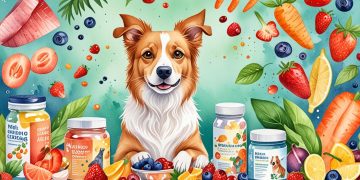
Explore the growing trend of nutritional supplements for pets to enhance their health and vitality. Discover when and how to use these supplements, tailored to your pet's age, health status, and dietary needs, while emphasizing the importance of consulting with veterinarians for safe and effective supplementation.

The Importance of Socialization for the Emotional Health of Pets

Socialization is essential for pets' emotional health, enhancing their happiness and reducing anxiety. Engaging with diverse environments, people, and other animals fosters trust, confidence, and positive behavior. By prioritizing these interactions, pet owners can ensure their companions lead fulfilling lives, strengthening the bond between human and pet.


Emotional Health Care: Techniques to Enhance the Psychological Well-Being of Pets

Pets experience a range of emotions, making emotional health care crucial for their well-being. By understanding their needs and employing techniques like behavior training, interactive play, and structured routines, owners can enhance psychological health and strengthen their bond, leading to happier, more fulfilled pets.

Vaccination and Deworming: The Crucial Role in Pet Health

Vaccination and deworming are essential for ensuring optimal pet health and preventing serious diseases and parasitic infections. These practices protect pets and enhance community health, particularly in densely populated areas. Educating pet owners about the importance of regular vaccinations and deworming can foster healthier pets and communities.

Common Challenges in Training Pets in Rural Areas and Practical Solutions

Training pets in rural areas presents unique challenges such as limited resources, distractions from nature, and socialization deficiencies. However, practical solutions like community networking, leveraging digital resources, and adapting training methods to suit local environments can enhance pet training experiences and strengthen the bond between pets and owners.

Techniques for Training Working Dogs: Preparing Pets for Specific Roles in Nigeria

This article explores effective techniques for training working dogs in Nigeria, emphasizing specialized skills for roles in security, agriculture, and assistance. By focusing on positive reinforcement, socialization, and advanced training methods, trainers can enhance the capabilities of these canine companions to meet the unique demands of Nigerian society.

The importance of socialization in puppy training: practical tips for Nigerian owners

This article emphasizes the critical role of socialization in puppy training for Nigerian owners, highlighting practical tips to help puppies adapt to diverse environments. It outlines the benefits of early exposure, positive reinforcement, and engaging with both people and other dogs, ensuring a well-adjusted and confident companion.

Toxic Foods for Pets: What to Avoid in Your Pet’s Diet

Every pet owner must be aware of toxic foods that can harm their furry companions. Common household items like chocolate, onions, grapes, and xylitol pose serious health risks. Understanding these dangers and taking preventive measures can help ensure a safe diet and promote the well-being of pets.

The role of professional trainers in pet training: what owners should consider in Nigeria

Professional trainers are vital to enhancing the pet ownership experience in Nigeria. Owners should consider trainers' qualifications, training methods, and cultural insights. A well-trained pet improves behavior and social interactions, fostering stronger bonds with owners. Ongoing support and tailored training programs are essential for successful pet training and ownership.