
Common Diseases in Pets: How to Prevent and Recognize Health Risks
Understanding Common Pet Diseases in Nigeria
As loving pet owners in Nigeria, it is crucial to have a comprehensive understanding of the health issues that can affect our furry companions. Pets, much like humans, are vulnerable to a variety of common diseases that can severely impact their quality of life. Being aware of these health risks enables us to take swift and responsible action to protect our pets.
Prevalent Diseases Affecting Pets
Among the numerous illnesses that plague pets, some of the most significant include:
- Parvovirus: This highly contagious virus is often fatal, especially in puppies. Symptoms may include severe vomiting, diarrhea, and lethargy. Vaccination is key to prevention, making it essential to keep up with your puppy’s vaccination schedule.
- Fleas and Ticks: These tiny parasites not only cause itching and discomfort but are also vectors for serious illnesses like Lyme disease and ehrlichiosis. Regular treatment through topical medications or collars can help control these pests effectively.
- Heartworm: Transmitted by mosquito bites, heartworm is a serious condition that affects the heart and lungs of dogs, leading to severe health complications if untreated. There are preventive medications available that should be given monthly, particularly in regions where mosquitoes are prevalent.
- Obesity: This growing issue among pets is often overlooked but can lead to diabetes, joint problems, and other health complications. Encouraging regular exercise and providing a well-balanced diet are essential steps to combat this problem.
Strategies for Disease Prevention
Implementing effective prevention strategies is vital to maintaining your pet’s health.
- Regular veterinary check-ups: Just like humans, pets need routine health assessments to catch any potential issues early.
- Vaccinations and parasite control: Keeping vaccinations up-to-date and utilizing appropriate parasite control can prevent many serious diseases.
- A balanced diet and adequate exercise: Ensuring your pet receives the right nutrition and sufficient physical activity can help maintain their overall well-being.
Recognizing Signs of Illness
Noticing signs of illness in your pet is equally important, as early detection can save lives. Watch for:
- Changes in appetite: If your pet suddenly refuses to eat or is eating significantly more than usual, it could be a sign of underlying health issues.
- Lethargy or excessive tiredness: Unusual fatigue or lack of energy can indicate various health problems.
- Persistent coughing or vomiting: These symptoms should never be dismissed as normal; they can signal serious conditions that need immediate veterinary attention.
By being proactive and well-informed, pet owners in Nigeria can effectively shield their pets from health risks, ensuring their durable happiness and well-being.
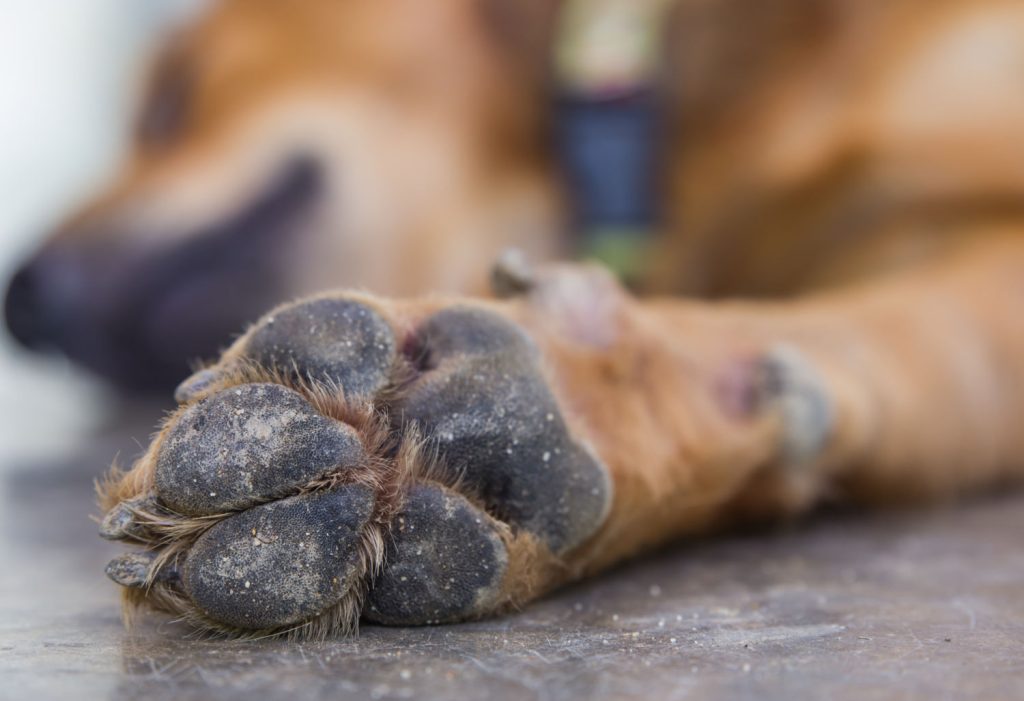
ADDITIONAL INSIGHTS: Expand your understanding here
Identifying and Understanding Common Pet Diseases
In the vibrant landscape of pet ownership in Nigeria, understanding the common diseases that can afflict our companions is not merely a necessity but a responsibility. As diverse as the breeds and species we adore, the health challenges they face can be as varied and serious. Early identification of these diseases can make a critical difference in your pet’s recovery journey and overall well-being. Knowing the signs and prevention methods can help you mitigate potential health risks before they escalate.
The Impact of Environmental Factors on Pet Health
Nigeria’s unique climate and environment can exacerbate certain pet diseases. For instance, the heat and humidity can create a favorable environment for parasites such as fleas and ticks, which thrive in such conditions. Moreover, our often crowded urban areas can lead to increased stress and exposure to airborne illnesses among pets.
Common Illnesses That Pet Owners Should Be Aware Of
Some diseases are prevalent among pets in Nigeria, making knowledge about them essential:
- Rabies: This deadly viral disease is transmitted through the bites of infected animals. It is crucial to vaccinate your pets against rabies, as it poses significant health risks to both pets and humans.
- Canine Distemper: A viral disease affecting dogs, distemper can lead to respiratory, gastrointestinal, and neurological symptoms. Vaccination is highly effective in preventing this disease.
- Leptospirosis: A bacterial disease that can affect both dogs and cats, leptospirosis can be transmitted through contaminated water or soil. Symptoms include vomiting, diarrhea, and liver damage; preventing exposure to standing water and vaccinating your pets can reduce risk.
- Skin Infections: Given Nigeria’s tropical climate, skin infections from bacteria or fungi are common. Regular grooming and bathing can help keep your pet’s coat in optimal condition and reduce the risk of infections.
Key Prevention Strategies
Preventing diseases in pets requires a multifaceted approach:
- Regular Health Screenings: Schedule annual check-ups with a veterinarian to ensure your pet is healthy and to catch any problems early.
- Proper Hygiene Practices: Clean your pet’s living environment regularly and maintain their grooming to prevent infections and infestations.
- Responsible Feeding: Providing a balanced diet that meets your pet’s nutritional needs is essential for boosting their immune system and overall health.
- Socialization and Training: Ensuring that your pet interacts safely with other animals can help reduce the risk of disease transmission.
By cultivating awareness of these common diseases and adhering to prevention measures, pet owners in Nigeria can significantly enhance the longevity and quality of life for their beloved pets. Understanding the importance of veterinary care and proactive engagement will ensure that your furry friends remain happy and healthy, ready to fill your life with joy.
| Disease Awareness | Preventive Measures |
|---|---|
| Canine Parvovirus – A highly contagious virus affecting dogs. | Regular vaccinations and maintaining good hygiene can effectively lower the risk. |
| Feline Leukemia Virus – Can lead to severe health issues in cats. | Routine testing and keeping cats indoors help in prevention. |
| Obesity – A major health risk leading to various conditions. | Monitoring diet and ensuring regular exercise are vital to maintain a healthy weight. |
| Heartworm Disease – A parasitic disease affecting dogs and cats. | Administering heartworm prevention medications consistently is crucial. |
Understanding the various common diseases that can affect our pets is essential for any responsible pet owner. With knowledge of symptoms, prevention techniques, and treatment options, you can create a safer environment for your furry companions. Not recognizing these health risks not only jeopardizes their well-being but can also lead to significant veterinary costs.Additionally, maintaining awareness of preventive measures such as vaccination schedules, proper nutrition, and regular vet check-ups are indispensable for minimizing health threats. As with any health-related issue, early detection plays a crucial role in mitigating potential complications.
LEARN MORE: This related article may interest you
Monitoring Your Pet’s Behavior and Symptoms
As vigilant pet owners, being attentive to our furry friends’ behaviors can unveil early signs of health issues. Animals are masters of disguise when it comes to pain; they often mask their discomfort until it escalates. Familiarizing yourself with typical activity levels and appetite will help you pinpoint abnormal behaviors. For instance, a sudden withdrawal from play, excessive scratching, or changes in eating habits can signal underlying issues that require immediate attention.
Recognizing Symptoms of Common Diseases
Being able to recognize symptoms is crucial for timely intervention. Here’s how to monitor your pets effectively:
- Changes in Appetite: A noticeable increase or decrease in food consumption can be an indicator of various health problems. For example, diabetes or hyperthyroidism in cats may lead to increased thirst and appetite, while digestive issues might deter your dog from eating.
- Behavioral Changes: If your normally energetic pet becomes lethargic or overly aggressive, it could be a sign of pain or discomfort. Aggression can also stem from fear or stress, potentially linked to a health issue requiring careful examination.
- Weight Fluctuations: Rapid weight gain or loss may suggest metabolic disorders or gastrointestinal issues. Maintaining a healthy weight is essential, as obesity is linked to a multitude of diseases, including heart disease and arthritis.
- Skin and Coat Condition: A dull coat or excessive shedding can be an indication of nutritional deficiencies or skin infections. Regularly checking for lumps, bumps, and unusual odor can also help in the early detection of skin-related conditions.
Understanding the Role of Veterinary Care
Engaging with a qualified veterinarian is an essential step in managing your pet’s health. Regular vaccines and preventive treatments can ward off a myriad of diseases that are preventable. Here are some key areas where veterinary guidance is indispensable:
- Vaccine Protocols: In Nigeria, staying up to date with vaccinations against rabies, parvovirus, and kennel cough is critical for your pet’s health. A well-structured vaccination schedule tailored to your pet’s lifestyle can mitigate exposure to contagious diseases.
- Parasite Control: Consult your veterinarian about effective flea and tick prevention strategies, especially given Nigeria’s humid climate. Options like topical treatments, oral medications, and collars can provide essential protection.
- Emergency Care: Knowing local veterinary emergency services can make a world of difference in critical situations. Being prepared with a first aid kit and understanding what constitutes an emergency is vital for your pet’s health.
The Importance of Pet Insurance
While we all wish for our pets to be healthy, the reality is that diseases can strike unexpectedly. Pet insurance can mitigate the financial burden of unexpected veterinary visits and treatments. It is crucial to evaluate different coverage options available in Nigeria, ensuring you select a plan that caters to your pet’s specific needs and age.
As responsible pet owners, understanding the nuances of recognizing symptoms, the significance of veterinary care, and the potential benefits of pet insurance will enhance your ability to safeguard your pet’s health. A proactive approach to your pet’s healthcare lays the foundation for a happier, healthier life shared with your beloved companion.
ADDITIONAL INSIGHTS: Expand your understanding here
Conclusion
In conclusion, being a pet owner in Nigeria comes with the responsibility of staying informed about common diseases in pets and their associated health risks. Early detection and intervention are key to ensuring the well-being of our furry companions. By recognizing subtle behavioral changes, monitoring appetite fluctuations, and understanding the significance of regular veterinary check-ups, we can effectively mitigate potential health threats.
The importance of preventive measures cannot be overstated. Routine vaccinations, parasite control, and wellness exams create a shield against many preventable diseases, keeping your pets safe and thriving. Moreover, investing in pet insurance can alleviate financial concerns when unexpected health issues arise, allowing you to focus on your pet’s recovery and care.
Remember, it is not just about responding to health changes but being proactive in fostering an environment where your pets can flourish. Engaging with your veterinarian, educating yourself on potential diseases, and committing to regular health screenings will strengthen the bond you share with your pets while enhancing their quality of life.
Ultimately, a well-informed pet owner contributes to a healthier community of pets, ensuring that joy and companionship are at the heart of every pet household in Nigeria. Stay alert, stay educated, and take the necessary steps to protect your beloved companions from the common diseases that pose health risks.

Linda Carter
Linda Carter is a writer and pet care expert specializing in pet health, grooming, and wellness. With extensive experience helping pet owners create safe, loving, and enriching environments for their animals, Linda shares her knowledge on our platform. Her goal is to empower readers with practical advice and strategies to ensure their pets thrive and lead joyful, healthy lives.