The Importance of Hydration: How to Ensure Your Pet Drinks Enough Water
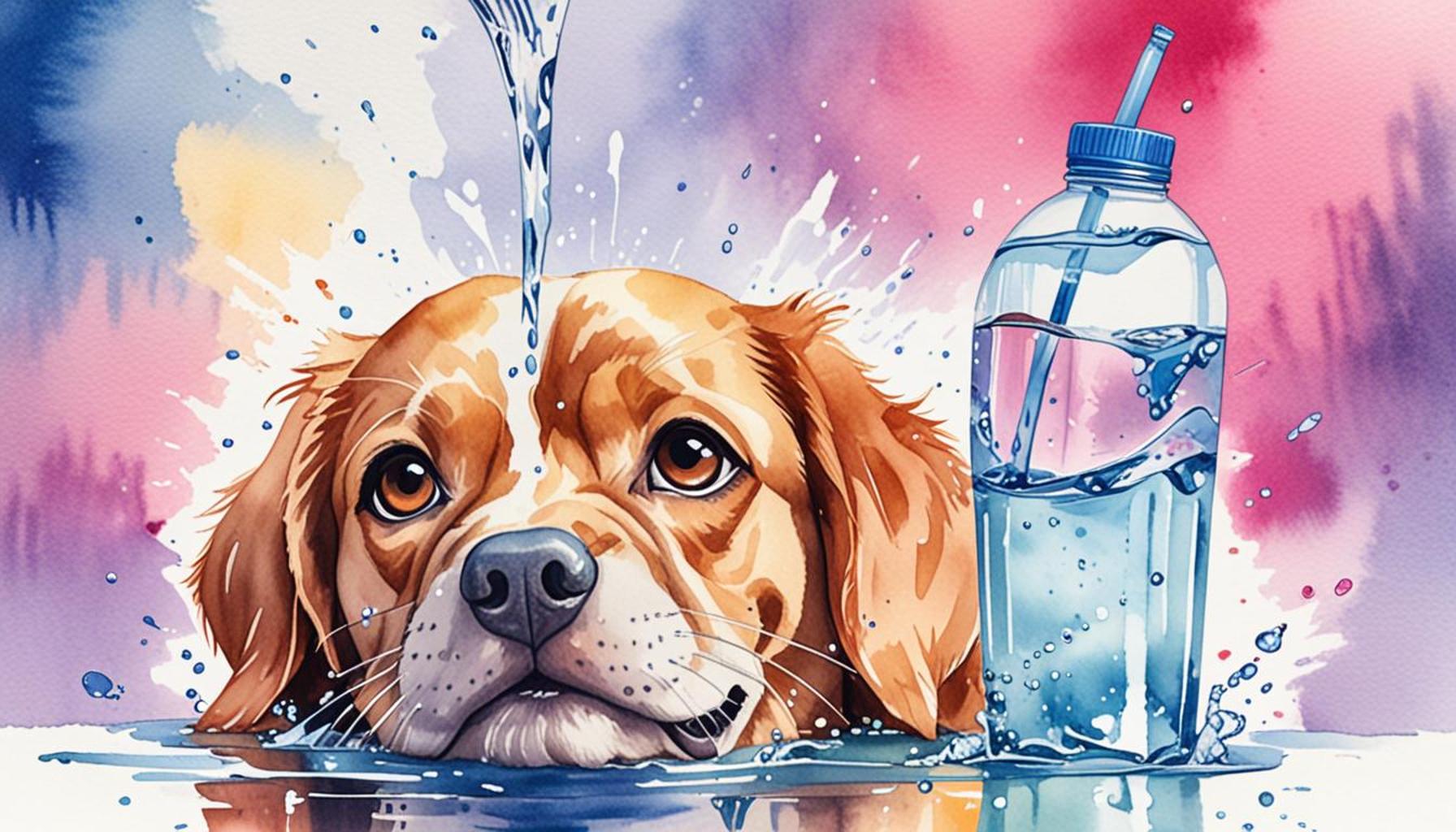
Hydration: Essential for Your Pet’s Well-Being
Water is not just a basic necessity; it is at the core of health for all living beings. For our beloved pets, hydration is paramount, especially in Nigeria where the climate can be scorching and unforgiving. Proper hydration is not merely an afterthought; it is crucial for preventing serious health problems, enhancing energy levels, and improving the overall quality of life for pets.
Why Hydration Matters
Understanding the importance of hydration goes beyond just knowing it quenches thirst. The benefits span various aspects of a pet’s health:
- Temperature Regulation: Water helps maintain a stable body temperature, especially during Nigeria’s heatwaves. Pets are susceptible to heat stress and heatstroke, so proper hydration is essential in preventing overheating.
- Digestion Aid: Adequate water intake supports smooth digestion, breaking down food and allowing effective nutrient absorption. Dehydrated pets may experience constipation, which could lead to additional gastrointestinal issues.
- Joint Health: Water lubricates joints, reducing friction and inflammation, which is particularly important as pets age. Hydration can help in maintaining their mobility and overall comfort.
Fluctuating water intake can lead to dehydration, a condition that can manifest through lethargy, dry gums, and in severe instances, organ failure. Being able to recognize the signs of dehydration—not just its effects—is crucial for pet owners. Regular observation and understanding the habits of your pet are key in ensuring they stay hydrated.
Encouraging Water Intake
Fostering a habit of regular water consumption requires a proactive approach from pet owners. It involves understanding your pet’s particular preferences and needs. Here are some effective strategies to ensure an adequate intake:
- Fresh Water Availability: Always have clean, fresh water accessible. Pets can be picky, and stale water may deter them from drinking.
- Multiple Bowls: Place water bowls in various locations throughout the house and yard. Strategically positioning them can make drinking more convenient and enticing.
- Flavor Enhancements: Sometimes, a dash of low-sodium broth can entice pets to drink more. Mixing water with their favorite flavors can transform routine hydration into an enjoyable experience.
- Interactive Water Fountains: Many pets are attracted to moving water. Consider investing in a pet water fountain that keeps the water circulating, as it can be a fun way for them to drink.
In the pursuit of improving your pet’s hydration levels, it is essential to create an environment that encourages drinking. These simple yet effective strategies can lead to a significant improvement in your pet’s health and vitality, which ultimately results in a happier life.
ADDITIONAL INSIGHTS: Expand your understanding here
The Importance of Hydration for Your Pet
As a responsible pet owner, understanding your furry friend’s hydration needs is crucial for their overall health and happiness. Just like humans, pets require an adequate amount of water daily to maintain their health and well-being. The exact quantity of water needed can vary significantly depending on several factors, including the pet’s size, breed, age, activity level, and even the environmental climate. This is particularly important in the heat of Nigeria, where temperatures can soar during certain seasons, leading to increased hydration demands for your pets.
A general guideline suggests that pets should drink between 0.5 to 1 ounce of water per pound of body weight each day. However, these recommendations are highly contingent upon individual circumstances. For instance, a large, active dog playing fetch in the scorching sun will require much more water compared to a sedentary house cat lounging in a cool corner. Additionally, the type of food your pet consumes has a significant impact on their hydration needs—pets fed dry kibble might need more water compared to those who consume wet food, which already contains a high moisture content and can help meet their hydration requirements.
Recognizing the Signs of Dehydration
As a proactive measure, it is essential to understand the signs of dehydration. Pet owners often overlook subtle signs of dehydration that can escalate into serious health issues. Here are some key indicators to look out for:
- Dry Gums and Nose: A hydrated pet typically has moist gums and a cool, damp nose. If these areas appear dry or sticky, it may signal dehydration.
- Loss of Skin Elasticity: Gently pinch the skin on the back of your pet’s neck. If the skin does not snap back quickly, this could be a sign of dehydration.
- Increased Thirst: If your pet seems to be constantly seeking water despite having access to it, this could indicate they are dehydrated or perhaps suffering from an underlying health issue.
- Lethargy and Weakness: Dehydrated pets often show signs of fatigue and reduced activity levels. If your pet appears unusually tired or less playful than usual, this could be linked to inadequate water intake.
Regularly observing your pet’s behavior and physical signs is crucial for prompt intervention. By developing a routine that includes monitoring their water intake, you can greatly enhance your pet’s health. Regular hydration not only prevents illness but also contributes to vibrant energy levels, allowing your pet to lead a more active lifestyle.
Once you’ve acknowledged the importance of hydration and the possible repercussions of dehydration, the next step is to explore practical methods to ensure that your pet drinks enough water. Simple strategies such as providing fresh, clean water several times a day, adding ice cubes for a refreshing drink, or even using pet water fountains can encourage your pets to stay hydrated. Engaging your pets in play can also increase their water consumption as you provide them with opportunities to drink more frequently, especially during Nigeria’s hot weather. Hydration is fundamental to keeping your pet happy and healthy in every season.
The Importance of Hydration: How to Ensure Your Pet Drinks Enough Water
Ensuring your pet stays hydrated is not merely a matter of providing a bowl of water and hoping for the best. It is crucial to delve into the different aspects that encourage your pet to drink enough water throughout the day. Pets can suffer from dehydration just like humans, leading to serious health complications. Here are some key points to consider:
Why Hydration Matters for Pets
Hydration affects nearly every physiological process in your pet’s body. Water aids digestion, regulates body temperature, and facilitates nutrient transportation. Dehydration can lead to lethargy and metabolic imbalances, especially in hot weather or after excessive exercise.
Identifying Signs of Dehydration
Monitoring hydration levels in pets can be essential for their overall health. Common signs of dehydration include loss of skin elasticity, dry mouth, and decreased urination. If you notice these indicators, it is essential to act swiftly to encourage fluid intake and consult a veterinarian if necessary.
Innovative Ways to Encourage Hydration
To ensure your pet drinks enough water, consider offering a variety of water sources. Some pets prefer running water, so investing in a pet water fountain can be beneficial. Additionally, mixing water into your pet’s food or offering ice cubes can make hydration more appealing. Moreover, incorporating high-water-content foods such as fruits and vegetables can be both delicious and hydrating. Foods specifically designed for hydration can be a great alternative as well.
| Category | Benefits |
|---|---|
| Fresh Water Availability | Encourages consistent drinking and promotes overall health. |
| Hydration-Friendly Foods | Supports hydration through diet, beneficial for their skin and organ functions. |
Integration of these strategies not only promotes hydration but also enriches your pet’s experience, fostering vitality and longevity. By recognizing the importance of hydration and taking proactive measures, you contribute significantly to your pet’s health and well-being.
ADDITIONAL INSIGHTS: Expand your understanding here
Creative Strategies to Encourage Your Pet to Drink More Water
Once you recognize the signs of dehydration and understand the importance of hydration, it’s time to implement creative strategies to encourage your pet to drink more water. Hydration can often be a challenge for pet owners, but there are several effective ways to make it easier for your pets to get the water they need.
1. Enhance the Water Experience
Making water more appealing to your pets can effortlessly increase their consumption. Utilizing pet water fountains is one such method. These fountains not only circulate water, keeping it fresh and cool but also attract pets with the sound and movement of flowing water. Many pets find running water more enticing than stagnant water in a bowl. Furthermore, consider adding ice cubes for a fun, quick way to keep the water cool, especially in Nigeria’s sweltering heat.
2. Monitor Food Intake
The type of food your pet consumes plays a crucial role in their hydration levels. Pets that eat primarily dry kibble will require a greater water intake compared to those eating wet food or homemade meals. If you notice your pet struggles with drinking sufficient water, consider incorporating more moisture-rich foods into their diet. Adding broth or wet food can significantly boost their water intake while providing nutrients. When preparing homemade meals, ensure they’re balanced and include hydrating vegetables like cucumbers or zucchini.
3. Set a Routine
Establishing a hydration routine can also be beneficial. Just as you would with meal times, set designated times for your pet to drink water. Offer them a fresh bowl of water after every play session, or refill their water bowl when you come home for the day. This not only instills a habit but also helps you keep track of their daily water intake. Pets thrive on routine, and they will quickly adjust and understand when they can expect hydration.
4. Add Flavor
If your pet is particularly picky about drinking water, you can add a bit of flavor. Low-sodium broth or even a splash of tuna juice can entice your pet to hydrate. Just be sure to avoid high-sodium options, which can lead to more serious health issues. Additionally, flavored water can be a delightful treat for your pets, making the experience enjoyable rather than a chore. Remember, always introduce new flavors gradually to ensure that your pet adapts well.
5. Create a Water Station
In homes with multiple pets, setting up a water station is an excellent idea. By providing several water bowls in easily accessible locations, you make it convenient for your pets to stay hydrated throughout the day. This method reduces competition or mindfulness, allowing each pet to drink at their leisure. When placing these water stations, consider areas where your pets often play or rest, so they have easy access to hydration whenever they need it.
Ultimately, increasing your pet’s water intake is a worthwhile investment in their health. By employing these creative strategies, you can ensure that your beloved furry friends stay hydrated, happy, and healthy throughout their lives. This little effort can make all the difference in preserving their vitality and preventing dehydration-related health problems.
YOU MAY ALSO LIKE: Read read another article
Conclusion: Prioritizing Hydration for Your Pet’s Well-being
In summary, the significance of hydration cannot be overstated when it comes to the overall health and well-being of our beloved pets. As vigilant pet owners, it is our duty to ensure that they not only drink enough water but also enjoy the process. Implementing various strategies, such as enhancing the water experience with pet fountains or providing hydration through moisture-rich foods, can significantly enhance your pet’s water intake. Additionally, establishing a routine or creating accessible water stations serves to promote consistent hydration habits.
Moreover, recognizing the distinct needs of your pet—whether they are a playful puppy, a senior cat, or a breed particularly prone to dehydration—affects your approach significantly. The climate in Nigeria, often hot and humid, makes the challenge of keeping pets hydrated even more pressing. By frequently monitoring your pet’s behavior and water consumption and being attentive to any signs of dehydration, you can take proactive steps to keep them healthy.
Ultimately, the goal is to foster an environment where drinking water is a delightful experience, encouraging pets to hydrate freely. It is essential that all pet owners take this responsibility seriously, as ensuring proper hydration not only enhances vitality but can also prevent serious health issues down the line. So, let’s embark on this journey of hydration together, knowing that the simplest of actions—offering fresh, enticing water—can profoundly impact our furry companions’ lives.

Linda Carter
Linda Carter is a writer and pet care expert specializing in pet health, grooming, and wellness. With extensive experience helping pet owners create safe, loving, and enriching environments for their animals, Linda shares her knowledge on our platform. Her goal is to empower readers with practical advice and strategies to ensure their pets thrive and lead joyful, healthy lives.