Skin and Coat Care: Preventing Dermatological Problems in Pets
Understanding Pet Skin Care
Every pet owner knows that a vibrant coat and healthy skin are essential indicators of a pet’s overall well-being. Unfortunately, many pets in Nigeria suffer from dermatological issues, leading to discomfort and health complications. Understanding how to care for your pet’s skin and coat can effectively prevent these problems.
Consider the following factors that contribute to skin health:
- Nutritional Balance: A diet rich in essential fatty acids, proteins, and vitamins is key to maintaining a shiny, healthy coat. Foods with omega-3 and omega-6 fatty acids, such as fish oil or flaxseed oil, enhance skin moisture and improve coat texture. A lack of these nutrients can lead to dry, flaky skin and a dull coat.
- Regular Grooming: Bathing and combing your pet not only removes dirt but also stimulates the skin, promoting circulation. Pets with longer fur may require daily grooming, while short-haired breeds can benefit from weekly grooming sessions. In particular, in Nigeria’s hot and humid climate, regular grooming helps prevent matting and protects from heat-related skin issues.
- Parasite Control: Fleas, ticks, and mites can lead to severe skin irritation; regular treatments are crucial. In Nigeria, where these parasites thrive, using preventative treatments can save your pet from itching and the risk of secondary infections. It’s advisable to consult with a veterinarian on the best options for your pet’s health needs.
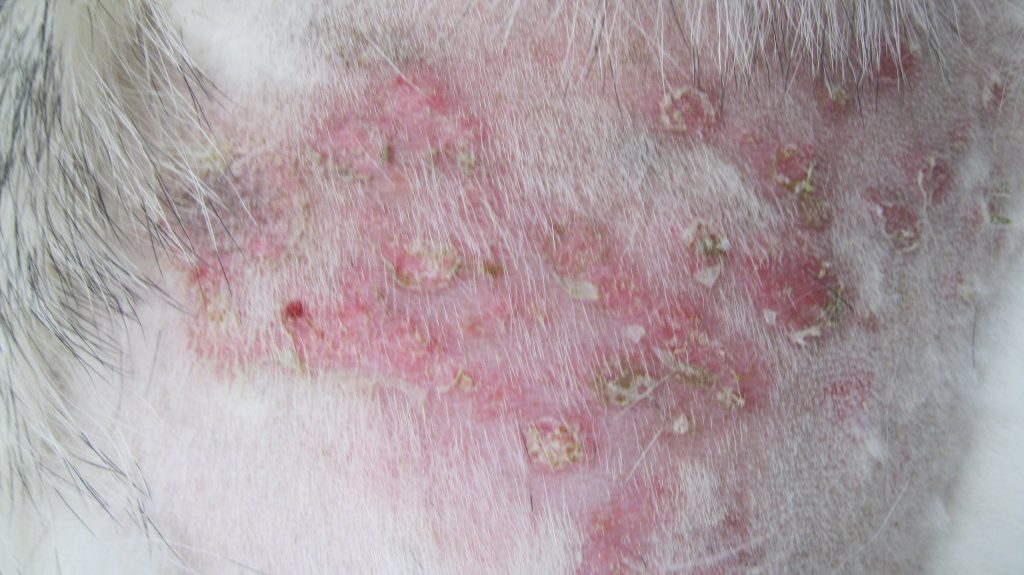
In Nigeria, where the hot climate can exacerbate skin issues, it is vital to monitor for signs of discomfort. Symptoms such as itching, redness, and hair loss can indicate underlying dermatological problems. For example, a common scenario is when pets scratch excessively due to flea infestations, leading to skin infections and additional complications. Being proactive in skin and coat care can save your pet from unnecessary suffering.
To equip yourself better, familiarize yourself with common skin conditions affecting pets, such as allergies and infections. Skin allergies can often manifest as rashes and itching, which may be triggered by environmental factors like pollen, dust, or certain food ingredients. Recognizing these conditions early on can facilitate timely treatment and greater comfort for your furry friend.
Moreover, it’s crucial to educate yourself about local resources available for pet skin care. Many veterinary clinics across Nigeria offer workshops and resources about pet dermatology that can be immensely helpful. Taking part in community discussions or online pet care forums may also provide valuable insights and tips from other pet owners facing similar challenges. In doing so, you can ensure that your beloved pet remains not only looking good but feeling their best as well.
SEE ALSO: Click here to read another article
Essential Practices for Maintaining Skin and Coat Health
To ensure your pet enjoys a vibrant coat and healthy skin, it is essential to adopt a multi-faceted approach to their care. Skin and coat problems can arise from a variety of causes, and educating yourself about these can make a world of difference. Below are some practices that every pet owner should consider incorporating into their routine:
- Regular Veterinary Check-ups: Establishing a relationship with a local veterinarian is crucial. Regular check-ups allow for early detection of any skin or coat issues your pet may have. Your vet can provide guidance tailored to your pet’s specific needs, taking into account local environmental factors in Nigeria that may affect skin health.
- Hydration is Key: A well-hydrated pet is less likely to experience dry, flaky skin. Always ensure fresh water is available, especially during the hotter months. If your pet seems less enthusiastic about drinking water, consider incorporating wet food into their diet to help with their overall hydration.
- Awareness of Seasonal Changes: In Nigeria, the change in seasons can significantly affect your pet’s skin health. For instance, the harmattan brings dry, cool winds which can lead to dehydration and dry skin. Being mindful of these seasonal variables can help you implement protective measures, such as using moisturizing products designed for pets.
- Avoiding Irritants: Common household products like detergents, cleaning agents, and even certain pet shampoos can cause skin irritation for sensitive animals. Always choose pet-safe products and monitor for any changes in your pet’s skin after using new products.
- Identifying Allergens: Allergies can be a significant source of skin issues. Common allergens in Nigeria can include dust, pollen, and certain food ingredients. Consider keeping a diary of your pet’s symptoms to identify potential triggers. This proactive approach can ensure that you minimize their exposure to these allergens, improving their skin condition over time.
Additionally, understanding the impact of environmental factors specific to Nigeria cannot be overstated. The country’s tropical climate can foster the growth of mold and mildew, contributing to skin irritations and infections. Regular cleaning of your pet’s living environment can help reduce exposure to such irritants. This includes washing bedding, and toys, and ensuring that they are not in contact with damp areas which may harbor harmful bacteria.
Having a grasp on the common dermatological conditions that pets face is essential for any dog or cat owner. Conditions such as hot spots, fungal infections, and bacterial infections are frequent issues that can escalate if not addressed promptly. Understanding the symptoms of these conditions will equip you to take action sooner and get your furry companion the care they need. For instance, early intervention in cases of hot spots can prevent more severe skin damage and considerable discomfort for your pet.
By adopting these practices and being vigilant about your pet’s skin and coat health, you position yourself to significantly mitigate the risks of dermatological problems. The small efforts you invest today can lead to a lifetime of happiness and health for your beloved companion.
| Advantage | Key Benefits |
|---|---|
| Consistent Grooming | Regular grooming helps in identifying dermatological problems early, ensuring prompt treatment and better health outcomes. |
| Specialized Nutrition | A diet rich in omega fatty acids contributes to a healthy skin barrier and reduces the chance of allergies and skin infections in pets. |
| Quality Products | Using veterinary-approved shampoos and conditioners can enhance skin hydration and coat shine while preventing irritations. |
| Regular Vet Check-ups | Routine vet visits can help in managing chronic skin issues and tailor preventive measures specific to your pet’s needs. |
Maintaining a healthy skin and coat for your pet is not merely cosmetic; it is pivotal for their overall well-being. Regular assessments and preventative care can make a significant difference in your pet’s comfort and health, reducing potential dermatological issues before they escalate. Prioritize your pet’s skin and coat care—after all, a vibrant coat is often indicative of a happy and healthy animal.
YOU MAY ALSO LIKE: Read read another article
Nutrition: The Foundation for Healthy Skin and Coat
Another pivotal aspect of maintaining optimal skin and coat health in pets lies in their nutrition. A balanced diet not only supports your pet’s overall well-being but also significantly contributes to skin health and coat quality. Feeding your pet high-quality food that meets their nutritional needs can help prevent various dermatological issues stemming from dietary deficiencies.
For example, omega-3 fatty acids play a crucial role in skin health. These essential fatty acids help to combat skin inflammation and dryness. Foods rich in omega-3, such as fish oil or flaxseed oil, can be easily incorporated into your pet’s diet. On the other hand, some commercial pet foods already include these vital nutrients, so selecting a reputable brand can do wonders for your furry friend’s skin.
Furthermore, keep an eye out for any signs of food allergies, which can manifest as itching, redness, or even hair loss. Identifying and eliminating allergenic ingredients—such as certain meats or grains—can lead to significant improvements in your pet’s skin condition. A vet-supervised elimination diet might be an excellent strategy for pinpointing food sensitivities.
Grooming: More Than Just Aesthetic
The benefits of regular grooming extend far beyond the aesthetics of a clean coat. Regular brushing helps to distribute natural oils across your pet’s skin and coat, supporting moisture retention and reducing shedding significantly. Dogs and cats come in various coat types, all of which require different grooming routines. For example, long-haired breeds might require daily brushing to avoid tangles, while short-haired pets might be content with weekly grooming sessions.
During grooming, pay close attention to areas prone to irritation, including armpits, ears, and between toes. These spots are commonly overlooked but are often sources of hotspots or skin infections. Notable grooming tools include slicker brushes for detangling and de-shedding, as well as combs designed for specific coat types. Regularly inspecting your pet’s skin while grooming can help you identify any irregularities early on, such as lumps or discoloration.
Using the Right Products: Safety and Efficiency
The choice of pet grooming products can significantly impact your pet’s skin health. Shampoos specifically formulated for pets generally have pH levels better suited for their skin compared to human products. Additionally, look for products containing natural ingredients—such as aloe vera or oatmeal—that soothe irritation and hydrate the skin. Always avoid products with harsh chemicals or artificial fragrances, as they can exacerbate sensitivities.
Moreover, regular use of conditioners can aid in detangling, adding luster, and providing a protective barrier against environmental irritants. For pets that frequently venture outdoors in humid conditions, an antifungal spray can also prove beneficial against fungal infections.
Understanding the Signs of Trouble
Being vigilant about changes in your pet’s skin or coat can lead to timely interventions that can prevent serious conditions. The appearance of excessive scratching, redness, or unusual odor can indicate dermatological problems that require medical attention. In Nigeria, common skin ailments such as ticks, fleas, and mites can exacerbate existing skin issues, making prompt action vital for your pet’s health.
In summary, a proactive approach encompassing nutrition, grooming, and proper product selection is essential for preventing dermatological problems in pets. By taking these steps, not only do you support your pet’s physical appearance, but you also enhance their overall quality of life. Investing time and effort into their skin and coat health will reward you with a happy, healthy, and comfortable companion.
ADDITIONAL INSIGHTS: Expand your understanding here
Understanding the Importance of Skin and Coat Care
Managing your pet’s skin and coat health is not just an aesthetic concern; it is a crucial aspect of their overall well-being. Awareness of the factors that affect skin and coat condition can help you make informed choices that lead to a happier, healthier pet. For instance, a balanced diet rich in essential nutrients, such as omega-3 fatty acids found in fish oil and flaxseed, can significantly improve coat shine and reduce inflammation. This is particularly relevant in Nigeria, where high temperatures and humidity can exacerbate skin issues if pets are not properly nourished.
Grooming Strategies That Matter
Establishing a consistent grooming routine is another essential element. Brushing your pet regularly helps to distribute natural oils throughout their coat, prevents matting, and allows for early detection of potential issues like parasites, infections, or skin irritations. In urban areas like Lagos, where pets might be exposed to various allergens and pollutants, regular grooming becomes even more vital.
Choosing the Right Products
The selection of grooming products tailored specifically for pets cannot be emphasized enough. Many commercial shampoos and conditioners, while appealing in their packaging, may contain harsh chemicals that irritate your pet’s skin. In Nigeria, where the hot climate can intensify skin sensitivities, it’s advisable to seek out products that are natural and hypoallergenic. For example, look for products with ingredients like aloe vera or oatmeal, known for their soothing properties.
Vigilance is Key
A vigilant owner will notice changes in their pet’s skin or coat, such as redness, flakiness, or excessive scratching. These signs could indicate underlying health issues that warrant a visit to the veterinarian. Regular check-ups could catch problems like allergies, infections, or even more serious conditions, ensuring your furry friend remains healthy and vibrant.
Prioritizing your pet’s skin and coat health enriches their life and fosters a deeper bond between you and your companion. Not only does proper care enhance their physical appearance, but it also supports their emotional well-being, making them more playful and active. Investing in your pet’s grooming and health care is an essential commitment, one that promises years of companionship and joy. For those grappling with persistent skin challenges, professional veterinary advice is invaluable, providing tailored solutions that keep your pet thriving. Your four-legged friend deserves nothing less than a loving, well-cared-for life!