The Importance of Socialization for the Emotional Health of Pets
The Importance of Socialization for Your Pet’s Emotional Well-Being
Pets, much like their human companions, possess a spectrum of emotions that require attention and nurturing. It’s crucial to recognize that they deserve more than just basic needs such as food, water, and a warm shelter. Socialization plays a pivotal role in ensuring that pets lead emotionally fulfilling lives. By facilitating their interactions with a variety of stimuli, you enable them to comprehend the world around them and cultivate essential social skills.
For pet owners, the task of socializing their furry friends can be approached in several engaging ways, whether you are navigating the busy streets of Lagos or enjoying the tranquility found in Enugu. Instilling a sense of comfort and confidence in your pet can significantly reduce instances of anxiety and aggression, common problems in pets that lack proper socialization.
Building Trust Through Human Interaction
Interaction with People: Allowing your pet regular exposure to different faces and experiences fosters trust. For instance, introducing your dog to friendly strangers during walks not only demystifies new encounters but also promotes positive associations with people. Regular attendance at community events or pet-friendly markets can expose your pet to various individuals and activities, enhancing their adaptability and comfort within diverse environments.
The Value of Inter-Pet Relationships
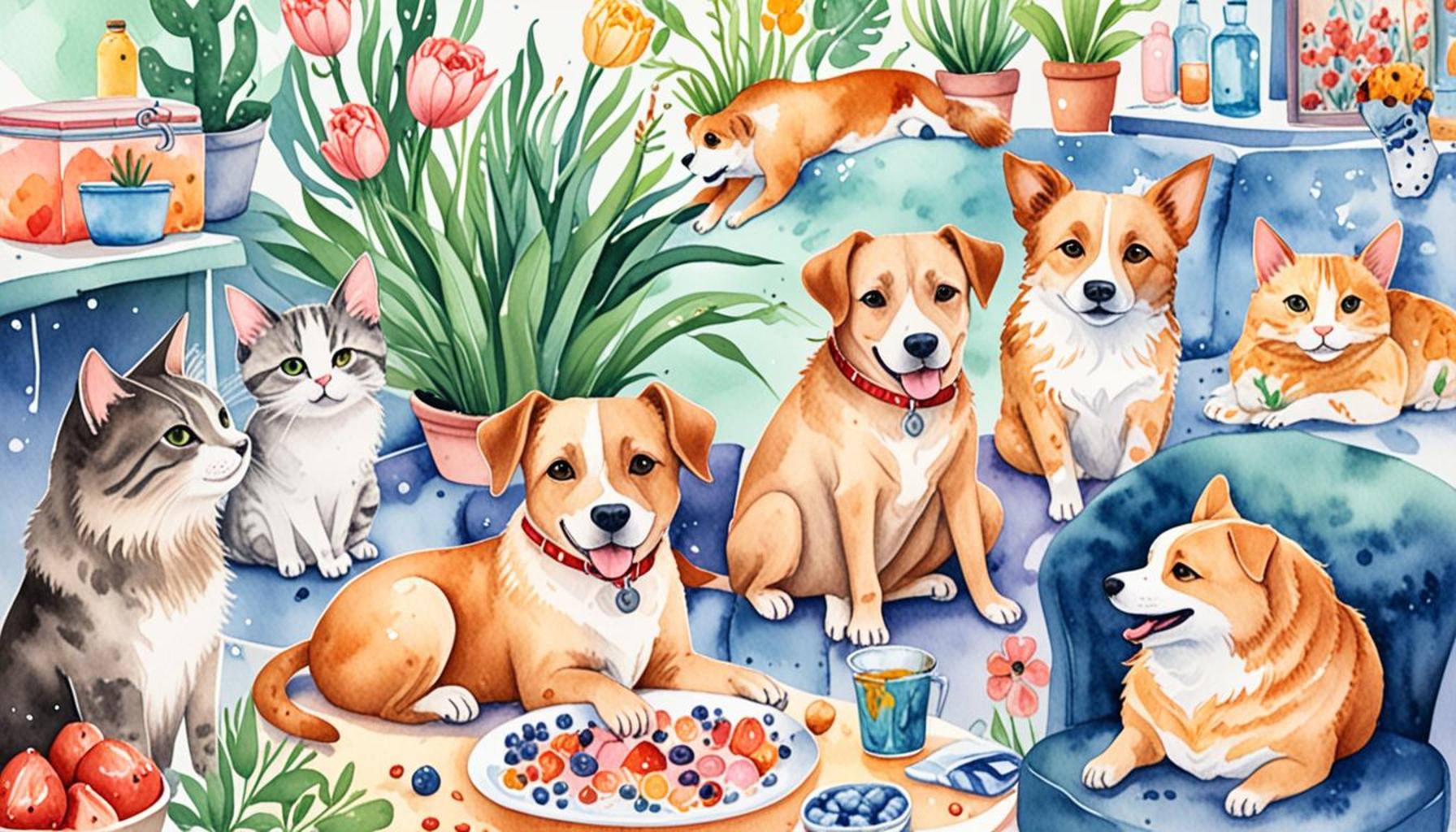
Engagement with Other Animals: Organizing playdates with other friendly pets can be incredibly beneficial. Dogs, for example, hone their social skills and learn to communicate more effectively through play. Encouraging healthy interactions reduces the likelihood of fear-based reactions and aggression. Establishing a regular meeting schedule with other animals can develop your pet’s ability to discern social cues and navigate relationships with greater ease.
Diverse Experiences Matter
Variety of Environments: Simply taking your pet for a walk in a local park, navigating through busy markets, or enjoying a serene day at a botanical garden can offer new experiences for stimulating their minds and senses. Each new environment presents opportunities for your pet to explore different sounds, scents, and sights, all critical in shaping a well-rounded personality. In Nigeria, where urban and rural interactions abound, utilizing these spaces ensures your pet grows up to be adaptable and happy.

Ultimately, a well-socialized pet is not only a pleasure to be around but also shows fewer behavioral issues. Prioritizing your pet’s emotional health through active socialization is crucial for fostering a fulfilling and rewarding companionship. Taking the time to understand and fulfill these emotional needs can contribute to a happier life for both you and your pet, ensuring lifelong memories of joy and companionship.
SEE ALSO: Click here to read another article
Essential Components of Pet Socialization
Understanding the importance of socialization for your pet goes beyond mere interaction; it involves a comprehensive approach that enriches their emotional health and fosters well-adjusted behavior. Socialization entails facilitating experiences that help your pet learn how to engage comfortably with humans, other animals, and various environments. Here are some essential components that significantly contribute to your pet’s emotional well-being:
1. Structured Play and Interaction
Structured playtime is vital for developing your pet’s social skills. Engaging in activities like tug-of-war or fetch not only enriches the bond between you and your pet but also allows them to learn appropriate play behavior. This type of interaction helps prevent issues like over-excitement and aggression, which can arise from unregulated play. In Nigeria, many local parks and community centers offer pet playgroups, making it easier for pet owners to facilitate these enriching experiences.
2. Exposure to Novel Experiences
Diverse experiences are essential for broadening your pet’s understanding of the world. Introducing them to different sights, sounds, and smells can enhance their confidence. For instance, take your pet on adventures around Lagos—exposing them to bustling markets, street vendors, or open fields. It is crucial to gradually introduce them to new environments to minimize overwhelm and promote adaptability. Capturing their attention through various stimuli can prevent anxiety and fear responses that might disrupt their emotional stability.
3. Training and Commands
Incorporating formal training into your pet’s life can greatly aid in socialization. Obedience training establishes a communication bridge between you and your pet, creating a foundation of trust. Teaching commands such as “sit,” “stay,” and “come” not only promotes better behavior but also encourages successful interactions with other animals and people. Implementing positive reinforcement, like treats and praise, can enhance your pet’s responsiveness. Consider joining a local training class where your pet can meet others, further enriching their social experience.
4. Understanding Calming Signals
Every animal has its own way of communicating comfort or distress through body language. Learning to recognize calming signals in pets can be invaluable. Signs such as relaxed ears, a wagging tail, or slow blinks can indicate comfort, while tucked tails and tense bodies signal stress. Being attuned to these signals allows you to intervene when necessary, ensuring the well-being of your pet during interactions with other animals and people.
Ultimately, these foundational aspects of socialization underpin the emotional health of pets. By investing time and effort into your pet’s social development, you not only enhance their quality of life but also build a stronger, more resilient bond with them. Pets that grow up with positive social experiences are not only easier to manage but also likely to thrive in various settings, ensuring a happy and fulfilling life alongside their human companions.
| Category | Benefits |
|---|---|
| Reduced Anxiety | Socialized pets are less likely to develop separation anxiety or fear of strangers. |
| Improved Behavior | Regular socialization helps in preventing behavioral issues like aggression or excessive barking. |
| Enhanced Bonding | Social interactions strengthen the bond between pets and their owners through shared experiences. |
| Increased Confidence | Socializing with other pets and people encourages self-assurance and a sense of security. |
The emotional health of our beloved pets is intricately linked to their experiences with socialization. Interactions with other animals and humans not only equip pets with essential life skills but also enhance their overall emotional well-being. For instance, pets that engage in regular social settings tend to express fewer signs of stress, thus leading to a happier lifestyle. Furthermore, knowledge of how to interact with diverse environments fosters adaptability, reducing the likelihood of fearful behaviors. Moreover, early socialization can be pivotal in shaping a well-rounded pet. When pets experience a variety of situations and settings during their formative years, they are more likely to become stable and friendly adult companions. This interaction and exposure often lead to positive, confident pets capable of enjoying their surroundings, contributing to a more joyful household. In exploring the importance of socialization, it is evident that fostering these relationships can lead to healthier, more robust pets, enriching not only their lives but also the lives of those who care for them.
LEARN MORE: This related article may interest you
The Long-Term Benefits of Socialization
As pet owners, understanding the long-term benefits of socialization is crucial in promoting the overall emotional health of our furry friends. Socialization does not merely serve immediate needs; it lays the groundwork for a pet’s future experiences and interactions. Here are several advantages that highlight the significance of socialization in your pet’s life:
1. Prevention of Behavioral Issues
One of the primary advantages of proper socialization is the significant reduction in behavioral problems. Pets that are well-socialized are less likely to exhibit signs of fear, aggression, and anxiety. For instance, in urban areas of Nigeria, such as Lagos and Abuja, where noise levels and crowd movement can be overwhelming, a well-socialized pet can navigate these environments with relative ease. Regular exposure to different people and animals means they learn that not every stranger poses a threat. This early intervention can prevent behavioral issues that might lead to abandonment or worse.
2. Enhanced Emotional Well-Being
Socialized pets display greater happiness and contentment. Engaging in regular playdates and interactions not only satisfies their social needs but also impacts their mood. Pets tend to be more relaxed and exhibit lower stress levels when they have established friendships with other animals. Research suggests that social engagement in pets leads to a release of dopamine and serotonin, the “feel-good” hormones, making them less prone to depression. Owners should consider hosting regular gatherings, allowing their pets to interact with a variety of other animals in a safe and controlled setting.
3. Increased Confidence
A well-socialized pet is often a confident pet. As they become acquainted with diverse environments, their self-assurance grows, progressively making them adaptable to different circumstances. For pet owners in Nigeria, understanding this aspect is vital when considering travel or relocation. A pet that has acclimatized to various surroundings will adjust more smoothly when faced with new homes, new people, or even new modes of transportation. The key is to provide these exposures early and frequently, creating a positive template for future experiences.
4. Strengthened Human-Pet Bond
Another often-overlooked benefit of socialization is the profound strengthening of the bond between pet and owner. When pets are confident and comfortable in their interactions, the bond of trust intensifies. Engaging in shared activities like walks in the park, dog training sessions, or even simple household chores improves communication and understanding. Not just physical exercise, these moments cultivate emotional connections, fostering a harmonious relationship that benefits both parties. In contrast, a fearful or anxious pet may create tension, complicating what should be a joyful companionship.
5. Positive Community Interactions
Socialization also promotes positive interactions within the community. Nigeria boasts vibrant neighborhoods and open spaces perfect for fostering pet-friendly cultures. A well-socialized pet not only behaves appropriately in these settings but also encourages a welcoming atmosphere for others. When pets can comfortably interact with strangers and other animals, it breaks down barriers and cultivates stronger community ties among pet owners. Initiatives like community dog walks or pet-friendly events can greatly benefit local areas by creating spaces where pets and their owners thrive together.
Investing in the socialization of pets is investing in their emotional health, ultimately evolving the quality of life for both animals and their human companions. As you embark on this journey, remember that the journey of socialization is just as rewarding as its destination, paving the way for a fulfilling life of companionship and happiness.
SEE ALSO: Click here to read another article
Conclusion: The Path to Emotional Wellness in Pets
In summary, the importance of socialization for the emotional health of pets cannot be overstated. From preventing behavioral issues to enhancing emotional well-being, the benefits of socialization permeate every aspect of a pet’s life. For pet owners in Nigeria, fostering a robust social environment for their animals not only leads to happier and more confident pets but also significantly strengthens the bond between human and animal. By actively engaging pets in social interactions, we are not only addressing their immediate needs but are also nurturing an enduring emotional stability that will see them thrive across various life circumstances.
As you reflect on the findings presented throughout this article, consider implementing socialization practices in your daily routine. Attendance at community events, dog parks, or even simple neighborly interactions can create moments of joy and enlightenment for your pet. Moreover, by joining networks and initiatives aimed at promoting pet-friendly resources, you contribute to a broader cultural shift that celebrates companion animals and their well-being.
Ultimately, investing time and effort into socializing your pet is a vital step towards securing their emotional health and happiness. The journey is both enlightening and enriching, opening doors to possibilities that allow our beloved companions to enjoy fuller and more satisfying lives. As we support and embrace their emotional needs, we gain not just better pets but lifelong friendships bursting with unconditional love.

Linda Carter
Linda Carter is a writer and pet care expert specializing in pet health, grooming, and wellness. With extensive experience helping pet owners create safe, loving, and enriching environments for their animals, Linda shares her knowledge on our platform. Her goal is to empower readers with practical advice and strategies to ensure their pets thrive and lead joyful, healthy lives.