
Effects of Climate on Pet Health: How to Protect Your Pet in Different Seasons
Understanding Climate Impact on Pet Well-Being
As the weather changes throughout the year, so do the challenges faced by our beloved pets. The effects of climate on pet health can be profound and sometimes unpredictable, varying across regions and seasons. It is essential to recognize these variations to keep our furry friends safe and healthy.
In Nigeria, pets experience distinct seasonal challenges due to the unique climate and environmental conditions. The country’s diverse weather patterns necessitate a keen understanding of how they can impact pet well-being. For example:
- Hot Dry Seasons: During this period, pets are at an increased risk of heatstroke and dehydration. For instance, certain dog breeds, like Bulldogs and Pugs, are particularly susceptible to overheating due to their short snouts. Pet owners should ensure fresh water is always available and consider providing shaded areas where pets can cool off. Regular walks might need to be rescheduled to avoid peak heat hours, usually between 11 AM and 3 PM. Additionally, hydration methods such as pet-safe electrolyte solutions can be beneficial.
- Rainy Season: This season invites higher exposure to parasites like ticks and fleas, which thrive in humid conditions. Ticks can carry diseases such as Lyme disease and Ehrlichiosis, which can severely affect pets. To combat these threats, pet parents should consider monthly preventive treatments, regular grooming to check for pests, and a routine cleaning of the living environment to reduce parasite populations.
- Harmattan: The dry and dusty winds during Harmattan can lead to skin irritations and respiratory problems in pets. Dogs and cats with short hair may require moisturizing lotions or conditioners to soothe dry skin. Pet parents should also ensure they maintain indoor humidity levels through the use of humidifiers and keep their living spaces dust-free to minimize respiratory issues. Taking frequent trips outside should also be minimized to protect them from direct exposure to dust and cold air.
Identifying these risks is the first step in safeguarding your pet’s health. By understanding specific climate challenges, you can implement effective measures to protect your furry companions. A proactive approach not only enhances their quality of life but also strengthens your bond with them. Animals can sense the anxiety of their owners, and ensuring their comfort during difficult weather conditions can foster a deeper connection between pets and their guardians.
In this article, you will discover essential tips and strategies on how to protect your pet in different seasons, ensuring they thrive regardless of the weather conditions. From hydration techniques to shelter options and seasonal grooming tips, get ready to equip yourself with the knowledge necessary to support your pet through every season. Your furry friends rely heavily on you, and by understanding the impact of climate on their well-being, you become an essential part of their health and happiness.
RECOMMENDED: Check out this similar article
Seasonal Challenges and Pet Care Solutions
Understanding the effects of climate on pet health is crucial in ensuring that our furry companions remain happy and healthy, regardless of the seasonal changes. In Nigeria, where the climate can be quite challenging, equipping ourselves with knowledge about these fluctuations empowers us to protect our pets effectively. Each season presents unique obstacles that pet owners must prepare for, and adopting proactive measures is key to safeguarding our pets’ health.
Hot and Arid Months: Keeping Your Pet Cool
The hot dry season, typically characterized by soaring temperatures, can be particularly taxing for pets. Heatstroke is a serious concern during this period, especially for certain dog breeds such as Bulldogs and Pugs, whose anatomical structure predisposes them to overheating. To combat the risks associated with high temperatures, pet owners can implement the following strategies:
- Access to Water: Ensure your pet has constant access to fresh and cool water. Invest in pet-friendly hydration solutions, like electrolyte water, which can provide extra support during extreme heat.
- Shade and Rest Areas: Create shaded spots in your yard or home where pets can escape the sun. Doghouses or canopies can offer respite from the blazing sun.
- Rescheduled Walks: Alter your walking schedule to early mornings or late evenings when temperatures are lower, avoiding the midday heat that can lead to overheating.
- Cooling Products: Consider using pet-specific cooling mats or vests that can help regulate body temperature.
Rainy Season: Defense Against Parasites
As the rain provides relief from heat, it also creates an ideal breeding ground for parasites such as fleas, ticks, and mosquitoes. These pests can pose significant health risks, including transmission of diseases like Leptospirosis and Lyme disease. To protect your pets during the rainy season, consider the following precautions:
- Preventive Medications: Invest in monthly parasite preventatives that shield your pets from infections. Consult with your veterinarian for the most suitable products tailored to your pet’s needs.
- Regular Grooming: Frequent grooming can help you spot and remove ticks and fleas before they become a serious issue. Ensure you check your pets after outdoor activities, especially after rainy days.
- Home Maintenance: Keep your living environment clean, dry, and free of clutter which can harbor pests. Regularly washing your pet’s bedding can also minimize infestation risks.
By actively addressing the individual challenges posed by each season, pet owners can foster a safe and healthy environment for their companions. Recognizing the profound effects of climate on pet health not only enables better pet care but also strengthens the bond between owner and pet.
Understanding Seasonal Impacts on Pet Health
The relationship between climate and pet health can be complex and varies significantly across different environments and seasons. As temperatures fluctuate and weather patterns shift, pets can experience various health challenges that owners must be prepared to address. Understanding these impacts helps prioritize your pets’ well-being.During the summer months, for instance, overheating becomes a major concern. Pets are at risk of heatstroke, especially those with thicker fur or brachycephalic breeds like Bulldogs and Pugs. Hydration is critical; ensure your pet has constant access to fresh water and consider limiting outdoor activities to cooler times of the day. Observing signs of overheating, such as excessive panting or lethargy, is essential for quick intervention.Autumn, while milder, brings its own set of challenges. Allergens like fallen leaves can trigger respiratory issues in sensitive pets. Regular grooming and cleaning their environment help reduce exposure to these allergens. Additionally, pet owners should be cautious about the consumption of acorns or mushrooms, which can be toxic.Winter poses risks of its own, particularly for dogs and cats that are not acclimated to cold conditions. Frostbite and hypothermia are real threats. Ensure pets are dressed appropriately when venturing out and provide a warm, sheltered place indoors. Furthermore, rock salt or anti-freeze, often used in winter maintenance, may pose severe health risks if ingested; therefore, vigilance and timely cleanup after walks are crucial.Finally, as spring ushers in new growth, it can also welcome a resurgence of pests such as fleas and ticks. Regular preventive treatments and thorough checks after walks in wooded or grassy areas can help keep your pet safe and comfortable. Understanding these seasonal effects is paramount in protecting your furry friends and enhancing their health and happiness throughout the year.
Transitioning Through Seasons: Protective Measures
Adapting to seasonal changes requires proactive steps to safeguard your pet’s health. Regular veterinary check-ups can provide insights into any emerging health risks associated with changing weather. These consultations can be particularly useful in establishing tailored wellness plans that consider your pet’s specific needs, lifestyle, and seasonal environmental changes.By staying informed and vigilant, pet owners can proactively mitigate the potential health risks imposed by climate fluctuations. Additionally, increasing your knowledge through reading articles, guides, and veterinarian recommendations can consolidate your pet care practices, helping your furry companions thrive despite the changing seasons.
ADDITIONAL INSIGHTS: Expand your understanding here
Winter Woes: Protecting Pets from the Cold
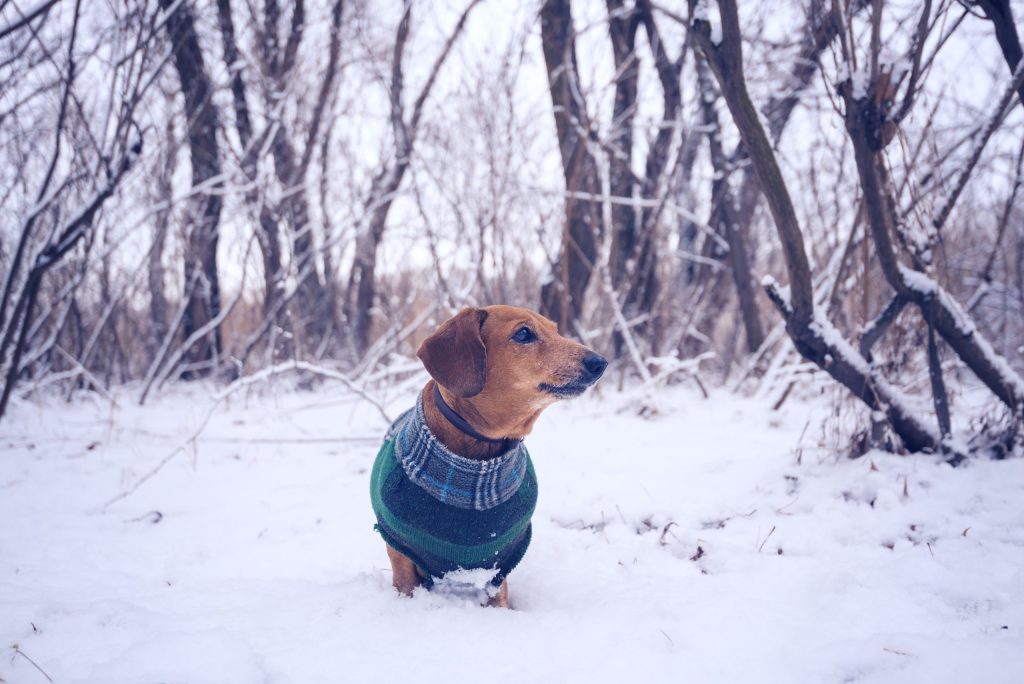
The winter months can bring about a host of challenges for pet owners, especially in regions that experience significant drops in temperature during this season. Pets, while often furry, are not immune to the effects of extreme cold, and conditions such as hypothermia and frostbite may become serious concerns. Ensuring your pet is safeguarded against sub-zero temperatures is essential, and here are several effective strategies to achieve this:
- Proper Clothing: Invest in weather-appropriate clothing for your pets, especially for short-haired breeds. Dog sweaters or jackets can provide much-needed warmth and help retain body heat during outdoor excursions.
- Minimal Exposure: Limit the duration of outdoor activities on particularly cold days. Short walks or quick bathroom breaks should suffice to prevent overexposure to the freezing weather.
- Indoor Comfort: Create a cozy indoor space with blankets or pet beds in an area free from drafts or direct exposure to cold floors. This assured warmth is vital for their comfort during chilly nights.
- Nutritional Needs: Adapt your pet’s diet to include high-quality proteins and fatty acids, which can help bolster energy levels and keep them warm during the colder months. Discuss potential dietary adjustments with your veterinarian.
Seasonal Allergies: A Hidden Challenge
While many people associate allergies with the spring season, in Nigeria, seasonal changes can trigger allergic reactions in pets even during the autumn and winter months. Common allergens include pollen, mold, and dust mites, and these can cause issues for sensitive pets. Here’s how pet owners can combat allergy-related symptoms:
- Regular Cleanliness: Maintain a clean home environment by frequently vacuuming and removing dust, particularly in areas where pets spend significant time. Air purifiers can also help alleviate indoor allergens.
- Monitor Diet: Be aware of food allergies and intolerances, which can lead to skin irritations. Consult with your vet to consider hypoallergenic diets if you notice persistent scratching or skin issues.
- Frequent Vet Check-ups: Schedule regular veterinary examinations, as professionals can provide tailored advice and treatments to alleviate allergies in pets. They may recommend medications or immunotherapy based on individual needs.
The Transition to Warm Weather: Caution Against Overexertion
As the weather starts to warm up, the transition can create challenges for pets, particularly as they often experience a sudden increase in activity levels. This period, while anticipated, poses risks such as exercise-induced respiratory issues or generalized fatigue. Keeping your pets fit and healthy through this transition involves the following measures:
- Gradual Activity Increase: Avoid jumping straight into rigorous activities. Gradually increase exercise intensity and duration to allow your pet’s body to acclimate to the warmer temperatures.
- Hydration Monitoring: Always ensure ample water is available to keep your pets hydrated during the transition. Natural thirst cues become more critical as temperatures rise, so monitor your pet’s water intake closely.
- Watch for Signs of Fatigue: Pay attention to your pet’s energy levels, watching for signs such as excessive panting or reluctance to continue exercise as indicators of fatigue.
As pet owners navigate the varying climates throughout the year, understanding the comprehensive effects of climate on pet health enhances their ability to make informed decisions. By utilizing these season-specific strategies, owners can ensure that they are doing their utmost to protect their furry friends from environmental stressors, leading to a happier and healthier life together.
ADDITIONAL INSIGHTS: Expand your understanding here
Conclusion: Prioritizing Pet Wellness Year-Round
In light of the effects of climate on pet health, it becomes increasingly evident that proactive care is essential for our furry companions’ well-being through the changing seasons. From the chilling realities of winter to the vibrant yet uncertain transitions of spring and summer, understanding the unique challenges each season presents is crucial for effective pet ownership.
Strategically addressing the needs of our pets involves not just adequate shelter and nutrition but also thoughtful monitoring of their behaviors and health. Simple measures, such as providing appropriate attire in colder months or ensuring proper hydration during warmer days, can significantly influence their overall health. Additionally, recognizing the impact of seasonal allergies and adapting care routines accordingly can prevent discomfort and promote happier living.
As Nigeria experiences distinct seasonal shifts, pet owners must stay vigilant and attuned to their pets’ specific needs. Regular check-ups with veterinarians can furnish tailored advice and intervention strategies, fostering a more resilient and healthier lifestyle for pets throughout the year. Embracing these best practices allows us to fortify our beloved animals against climate-related stressors, ensuring they thrive in varying environments.
Ultimately, taking a proactive stance in understanding and addressing the seasonal effects on pet health not only enriches our pets’ lives but solidifies the bond we share with them. By remaining informed and adaptable, we create a nurturing and safe atmosphere where our furry friends can flourish, irrespective of the weather outside.

Linda Carter
Linda Carter is a writer and pet care expert specializing in pet health, grooming, and wellness. With extensive experience helping pet owners create safe, loving, and enriching environments for their animals, Linda shares her knowledge on our platform. Her goal is to empower readers with practical advice and strategies to ensure their pets thrive and lead joyful, healthy lives.