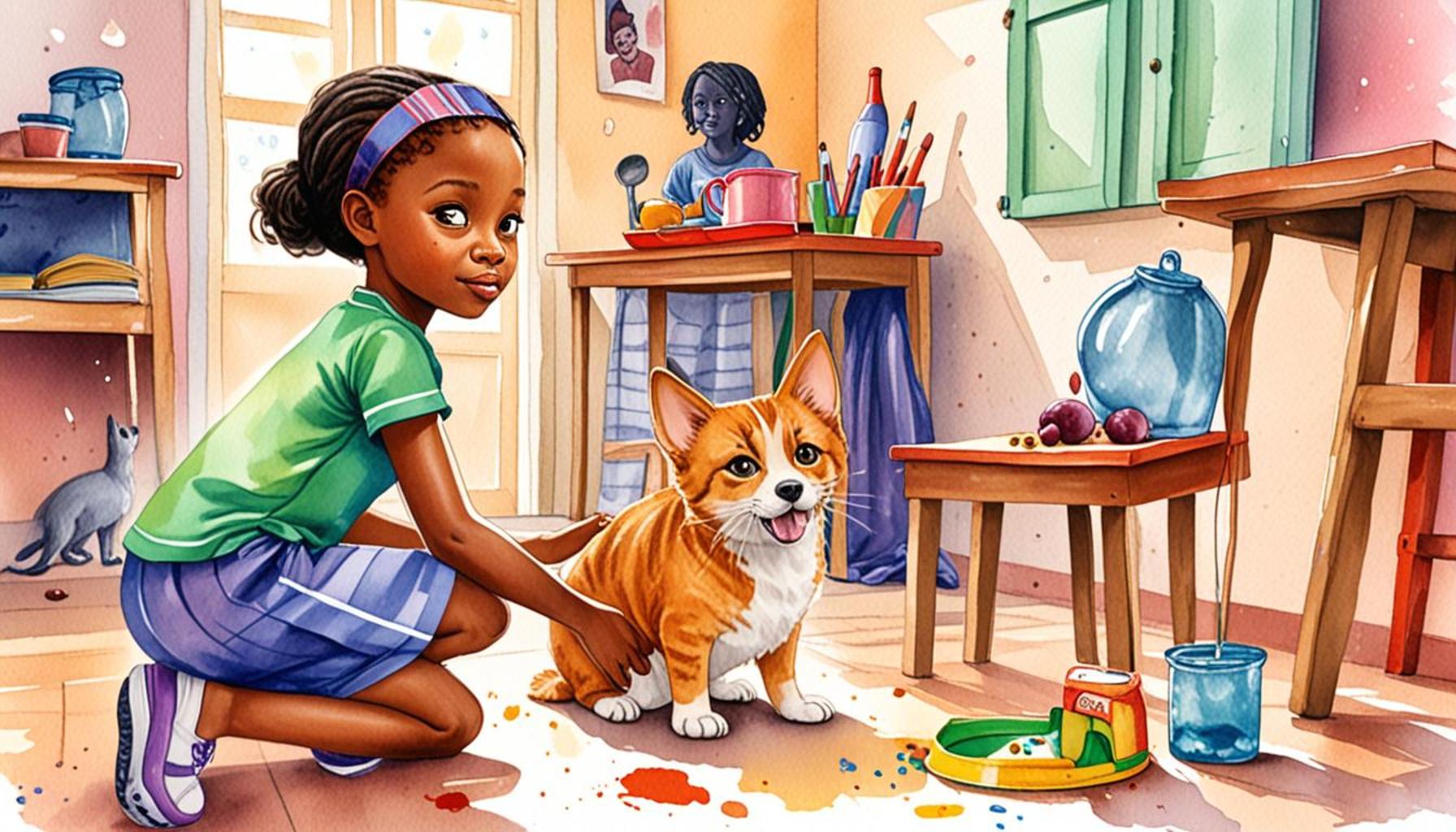
How to deal with unwanted behaviors in pets: strategies for Nigerian owners

Understanding Unwanted Pet Behaviors
Every pet owner knows that our beloved animals can sometimes act out in ways that challenge our patience and understanding. In Nigeria, where pet ownership is a growing trend, diverse cultural influences create unique challenges that pet owners must navigate. The rich tapestry of Nigerian lifestyles, combined with the variety of pets kept, leads to specific behavioral issues that require tailored solutions. In this piece, we delve into effective strategies that assist Nigerian pet owners in addressing these unwanted behaviors.
Common Unwanted Behaviors
Pets can display a range of behaviors that can be deemed unwanted, including:
- Excessive barking – Especially prevalent in breeds like German Shepherds and local dogs, excessive barking can disrupt household tranquility and annoy neighbors, particularly in densely populated urban areas like Lagos or Abuja.
- Destructive chewing – Young pets, such as puppies, may chew on furniture, shoes, or personal belongings out of boredom or anxiety. In Nigeria, where furniture styles range from traditional wood to modern designs, the damage can not only be financially taxing but emotionally distressing as well.
- Inappropriate elimination – Accidents in the house can create stress and inconvenience for pet owners. This behavior may indicate a lack of proper toilet training or can signal underlying medical issues that require attention.
It is essential to understand that these behaviors can stem from various causes, including anxiety, boredom, or lack of training. For instance, because many Nigerian pets spend long hours alone during the day while their owners work, this solitude can exacerbate loneliness, leading to unwanted behaviors. By identifying the roots of these habits, Nigerian pet owners can implement effective solutions that address the underlying issues rather than just the symptoms.
Practical Strategies for Improvement
To address these challenges, consider these key strategies:
- Positive reinforcement – Utilizing consistent rewards for good behavior can create a strong foundation for learning. For example, if your dog remains calm when visitors arrive, rewarding it with treats can reinforce this desired behavior.
- Regular exercise – Pets that are regularly exercised, whether through walks in local parks or playtime within the home, tend to be happier and calmer. Engaging your dog in activities like fetch or allowing your cat to explore in a secure outdoor area can significantly reduce excess energy levels.
- Training sessions – Investing time in training through both formal courses and informal sessions can significantly reduce unwanted behaviors. Training sessions can also serve as bonding times for you and your pet, leading to a stronger relationship built on trust and understanding.
By adopting a proactive approach and understanding your pet’s needs, you can foster a harmonious relationship centered on mutual respect and affection. It is imperative for pet owners to recognize that patience and consistency are crucial, and by implementing these strategies, one can enhance both their pet’s well-being and the overall household environment.

RECOMMENDED: Check out this similar article
Addressing the Roots of Unwanted Behaviors
Understanding the reasons behind unwanted behaviors in pets is the first crucial step for Nigerian owners seeking to foster a more harmonious household. Educating oneself about the common triggers can lead to more effective interventions. In many Nigerian households, pets may display unwanted behaviors due to factors such as stress, lack of stimulation, and insufficient training. For instance, dogs are social animals that thrive on interaction; when left alone for extended periods, they may develop anxiety, leading to barking or destructive chewing. On the other hand, cats may act out in similar fashion, often engaging in inappropriate elimination if they feel threatened by the presence of new pets or unfamiliar individuals.
Creating a Structured Environment
A well-structured environment can help mitigate undesirable behaviors. Here are several strategies Nigerian pet owners can implement:
- Consistent Routines – Establishing a daily routine for feeding, walking, and playtime can provide pets with a sense of security. This predictability helps reduce anxiety and contributes to better behavior.
- Safe Spaces – Ensure that your pet has a designated area where it can retreat, especially during times of stress or chaos. Whether it’s a cozy corner with their favorite blanket or a crate that they associate with safety, these spaces can provide comfort.
- Engaging Toys – Choose toys that stimulate your pet both mentally and physically. Puzzle feeders and interactive toys can keep pets entertained and engaged, significantly reducing the chance of them resorting to destructive behavior.
Moreover, the array of local pet supply stores in cities like Lagos and Abuja offer a variety of engaging toys tailored for different pets. Pet owners are encouraged to explore these emotional and physical enrichment options that align with their pets’ preferences.
Recognizing Health Issues
Sometimes, unwanted behaviors can be a red flag for underlying health issues. As a Nigerian pet owner, it is vital to be vigilant for signs such as sudden changes in appetite, lethargy, or aggression, as these may indicate a need for veterinary attention. Regular check-ups and vaccinations are essential not only for maintaining pet health but also for preventing behavioral issues related to discomfort or pain.
By examining the root causes of unwanted behaviors and focusing on creating a structured environment, Nigerian pet owners can take significant steps toward improving their pets’ behaviors. Awareness and proactive measures serve to foster a loving, understanding atmosphere where both pets and their owners can thrive.
Understanding Unwanted Behaviors in Pets
Understanding the root causes of unwanted behaviors in pets is crucial for effective management. Many pet owners observe behaviors such as excessive barking, destructive chewing, or inappropriate elimination. These issues can often be traced back to underlying factors like boredom, anxiety, or lack of training. For Nigerian pet owners, it’s essential to consider the environmental aspects that might impact their pets. For instance, the busy urban settings common in cities like Lagos may contribute to a pet’s stress levels.
Training and Socialization
One of the primary strategies for addressing unwanted behaviors is through consistent training and socialization. Positive reinforcement techniques can be particularly effective. Rewarding good behavior with treats or praise encourages pets to repeat those actions. Additionally, exposing pets to various environments, sounds, and people from a young age can significantly reduce anxiety-driven behaviors. In communities where pet ownership is growing, engaging in local pet training classes can help owners learn the best practices and meet other pet enthusiasts who share similar challenges.
Creating a Stimulating Environment
Pets require mental and physical stimulation to thrive. Nigerian owners can create an engaging environment by incorporating various toys, interactive games, and regular exercise routines. For instance, using food puzzles can keep pets mentally engaged, while daily walks or play sessions can expend excess energy. Even simple additions like scratching posts for cats or agility courses for dogs can provide outlets for natural behaviors. This approach not only curtails unwanted behaviors but also enhances the bond between pets and their owners.
Seeking Professional Help
In some cases, addressing troublesome behaviors may require the insight of a professional. Veterinary behaviorists or certified animal trainers can offer tailored strategies suited to a pet’s specific needs. Nigerian owners should not hesitate to reach out for assistance, as preventative care can lead to a healthier and happier pet. Early intervention often results in the most successful outcomes, minimizing the long-term impacts of unwanted behaviors.
Table of Advantages of Approaching Unwanted Pet Behaviors
| Category | Benefits |
|---|---|
| Effective Training | Promotes good behavior through positive reinforcement. |
| Mental Stimulation | Reduces boredom and inappropriate behaviors through engaging activities. |
| Professional Guidance | Access to tailored strategies from experts to effectively address issues. |
By employing these strategies, Nigerian pet owners can significantly alleviate unwanted behaviors in their furry companions, ensuring a harmonious and nurturing environment for both pets and their families.
CHECK OUT: Click here to explore more
Utilizing Positive Reinforcement Techniques
One of the most effective ways to address unwanted behaviors in pets is through positive reinforcement. This technique emphasizes rewarding good behavior rather than punishing undesirable actions. In Nigeria, where traditional ideas about pet training may rely heavily on correction methods, it is crucial to consider the benefits of building a trusting relationship with pets through rewards. Training sessions that incorporate treats, praise, or playtime can yield significant behavioral improvements. For example, a dog that jumps up on guests may respond better if owners consistently reward it for staying calm, reinforcing this positive behavior.
Implementing a reward system can be particularly effective in a bustling household environment, common in many Nigerian homes. Keeping treats handy and recognizing small efforts can encourage pets to choose good behavior over unwanted antics. Consistency is key; a well-defined reward system not only helps in modifying specific behaviors but also fosters a stronger bond between the pet and its owner, leading to an overall more peaceful living situation.
Incorporating Socialization Opportunities
Another strategy for addressing unwanted behaviors is offering adequate socialization opportunities. Pets that lack exposure to various environments, people, and other animals may develop fear-based reactions, leading to problems such as excessive barking or aggression. In Nigeria, vibrant social settings abound in markets, parks, and community events where pet owners can engage with others.
For instance, dog parks in cities like Lagos can be wonderful venues for socializing pets and allowing them to build confidence. Puppy classes, where young dogs are played with under supervision, are also beneficial in teaching social skills. Over time, a well-socialized pet tends to become more relaxed and balanced, thus exhibiting fewer unwanted behaviors.
Seeking Professional Help When Needed
While many strategies can be employed by pet owners to combat unwanted behaviors, recognizing when to seek professional guidance is essential. Certified animal behaviorists and trainers can offer specialized advice tailored to specific situations. In Nigeria, several reputable animal training schools and behaviorists exist, providing services that focus on addressing particular behavioral issues. For example, if a pet displays separation anxiety consistently, a behavioral consultant can help tailor a program that addresses this concern based on the household dynamics.
Moreover, Nigerian pet owners should not hesitate to ask fellow pet owners for recommendations or insights about the effectiveness of local trainers. Engaging in dialogue about behavior management can ensure that pet owners find solutions that resonate with their experiences. Furthermore, attending dog training workshops or seminars increases knowledge and exposes owners to a wealth of information, reducing the reliance on trial-and-error approaches that may exacerbate issues.
Mastering Patience and Consistency
Above all, one of the most vital strategies for Nigerian pet owners is the virtue of patience and consistency in their training efforts. Addressing unwanted behaviors takes time, and understanding that gradual progress is expected can alleviate frustration. Developing a strong rapport based on trust can accelerate positive behavioral changes. Whether it’s an active puppy or an aloof cat, demonstrating love and consistency in approaches can lead to long-term benefits for both the pet and their owner.
By applying positive reinforcement, allowing socialization, recognizing the need for professional help, and practicing patience, Nigerian pet owners can effectively manage unwanted behaviors, creating an environment where both pets and families thrive harmoniously.
LEARN MORE: This related article may interest you
Conclusion
In navigating the world of pet ownership, Nigerian owners face unique challenges, especially in managing unwanted behaviors in their beloved animals. Understanding various effective strategies is essential in promoting harmony within the household. By focusing on positive reinforcement, pet owners can cultivate an environment of trust that encourages desirable actions, rather than relying on punitive measures that can lead to fear and anxiety.
Moreover, socialization plays a pivotal role in shaping a well-adjusted pet. Engaging pets in diverse experiences allows them to develop social skills and adaptability, making them less prone to behavioral issues. Facilities such as dog parks and community events present perfect opportunities for this type of interaction. Additionally, recognizing when to seek professional help can streamline the behavior modification process, providing customized solutions that cater to specific challenges faced by pet owners in Nigeria.
Ultimately, the foundation for successful behavior management lies in patience and consistency. Adapting to the needs of a pet takes time and understanding; however, the rewards of a well-behaved, happy pet are worth the effort. Every positive interaction fosters a better relationship, making the journey more enjoyable for both pets and their owners. By embracing these strategies, Nigerian pet owners can ensure a fulfilling and harmonious life shared with their furry companions. Emphasizing love, understanding, and commitment will not only mitigate behavioral problems but also enrich the profound bond that exists between pets and their families.