The Importance of Hydration in Pet Nutrition
Understanding Pet Hydration
Hydration is an often-overlooked aspect of pet nutrition that plays a critical role in the overall health and well-being of our furry companions. Many pet owners might not realize the impact that proper hydration has on their pets’ vitality and longevity. Given the intense conditions in Nigeria, especially during the hot season, ensuring that pets stay sufficiently hydrated is vital. Here are key reasons why hydration should be prioritized:
- Body Functionality: Water is essential for digestion, circulation, and temperature regulation. Without adequate water, your pet may struggle with basic biological processes, making it harder for them to stay healthy.
- Prevention of Health Issues: Proper hydration helps prevent conditions such as kidney stones, urinary tract infections, and heat stroke. In Nigeria’s sweltering climate, pets can easily become dehydrated, increasing the risk of these serious health issues.
- Maintaining Energy Levels: Sufficient water intake ensures your pets remain active and healthy. An adequately hydrated pet is more playful and resilient, contributing to a happier life.
The importance of hydration can be even more pronounced when considering Nigeria’s warm climate. Factors such as soaring temperatures and the type of food consumed, particularly dry kibble, can increase a pet’s need for water. In fact, dogs generally require one ounce of water per pound of body weight daily, but this can vary based on weather, activity level, and dietary choices.
As responsible pet owners, being aware of your pet’s hydration needs leads to better care. It’s essential to provide fresh, clean water at all times and to understand the differences in hydration needs based on breed and size. Large breeds such as the Nigerian Mastiff may have different water requirements than smaller breeds like the Pug.
What to Look Out For
Understanding the signs of dehydration is vital for pet owners. Watch for:
- Dry Mouth and Gums: Observe changes in your pet’s mouth; if it’s unusually dry or sticky, this is a sign of dehydration.
- Loss of Skin Elasticity: A quick test is to gently pinch the skin; it should snap back immediately. If it doesn’t, this could indicate that your pet is dehydrated.
- Lethargy: Uncharacteristic tiredness can indicate your pet is not getting enough water. If your usually energetic pet is lounging around, it may be time to evaluate their hydration status.
Incorporating wet food into your pet’s diet can also be beneficial, as it contains higher moisture content. For dogs and cats who may be indifferent to drinking, adding flavorings to water or using pet water fountains can encourage them to drink more.

Get ready to explore more about this crucial aspect of pet nutrition to ensure your four-legged friends thrive!
CHECK OUT: Click here to explore more
The Role of Hydration in Pet Nutrition
When it comes to ensuring the health and vitality of our pets, hydration is often an unseen hero. Water is not just a beverage; it is a vital nutrient that facilitates numerous body functions. For Nigerian pet owners, understanding the crucial role of hydration can significantly impact the quality of life for our dogs and cats. With the blistering heat and varying humidity levels characteristic of Nigeria, hydration should be part of every pet care checklist.
Hydration aids in several physiological processes, and its significance cannot be overstated. For instance, water is integral to the following:
- Digestion: Proper hydration aids in the digestion process, helping pets break down food and absorb nutrients more effectively. It also prevents digestive issues like constipation.
- Circulation: Blood, which is composed largely of water, transports oxygen and essential nutrients throughout the body. Good hydration ensures that circulation is efficient.
- Temperature Regulation: Just like humans, pets need to regulate their body temperature. During hot days, adequate hydration helps prevent overheating.
- Joint Lubrication: Water acts as a lubricant for joints, ensuring smooth movement. Adequate hydration can help prevent issues like arthritis, particularly for older pets.
In the context of Nigeria, where heat and humidity can profoundly affect our pets, hydration becomes even more critical. For example, certain breeds, such as the Nigerian Local Dog, may have adapted better to the environment but still require consistent hydration to thrive during the dry season. It is essential to recognize that hydration needs can vary significantly based on age, activity levels, and environmental conditions.
Daily Hydration Needs
The amount of water a pet requires can fluctuate based on several factors, including the type of diet they consume. On average, dogs typically need about one ounce of water for each pound of body weightDaily hydration needs can also increase dramatically during hot weather or after vigorous exercise. Recognizing that not all pets have the same hydration needs is vital. Here are some tips to help meet these needs:
- Monitor Food Intake: If your pet’s diet consists mainly of dry kibble, their need for water will be higher than if they consume wet food, which contains additional moisture.
- Regular Water Changes: Ensure that you refresh your pet’s water bowls regularly to keep water clean and palatable. Pets can be sensitive to stagnant water.
- Encourage Drinking: If your pet is reluctant to drink, consider incorporating high-moisture foods or using flavor-enhanced water. Options like bone broth can entice them to hydrate.
By being conscious of your pet’s hydration needs, you are taking crucial steps toward promoting their health and longevity. In addition, understanding the signs of dehydration will empower you to take prompt action if necessary, safeguarding their well-being against the challenging weather conditions in Nigeria.
The Importance of Hydration in Pet Nutrition
When we think of pet care, the first facets that come to mind often include feeding and grooming. However, one crucial aspect that often gets overlooked is hydration. Proper hydration is paramount for pets, influencing everything from digestion to temperature regulation and overall health. Reputable pet experts emphasize that maintaining an optimal fluid balance is essential for preventing a myriad of health issues in animals.
According to veterinary studies, water plays a vital role in kidney function—it helps remove waste from the body and reduces the risk of urinary tract infections. Dehydration can lead to severe discomfort and can be fatal if not addressed promptly. Dogs and cats are particularly susceptible to dehydration, especially during warmer months or after vigorous activity. An accessible water supply is one of the simplest yet most effective ways to ensure this balance is maintained.
| Hydration Benefits | Key Features |
|---|---|
| Enhanced Digestion | Water assists in breaking down food, making nutrients more accessible for absorption. |
| Temperature Regulation | Adequate water intake helps pets maintain a stable body temperature, especially in extreme weather conditions. |
| Joint Health | Proper hydration lubricates joints, reducing the risk of arthritis and other joint-related issues. |
| Healthy Skin and Coat | Well-hydrated pets exhibit a shiny, healthy coat, and softer skin, reflecting overall wellness. |
Pet owners should ensure their furry companions have constant access to fresh and clean water. In addition to plain water, pet owners can include wet food in their pet’s diet, as it has a higher moisture content. These simple yet effective adjustments can have a lasting impact on a pet’s health and well-being, allowing them to lead a happier and more energetic life.
As we continue to explore the importance of hydration in pet nutrition, it is clear that being proactive about your pet’s hydration needs can lead to years of companionship and joy.
SEE ALSO: Click here to read another article
Understanding Signs of Dehydration
Recognizing the signs of dehydration in pets is crucial for any pet owner, especially in the context of Nigeria’s warm climate. Dehydration can develop quickly and can seriously jeopardize your pet’s health. Not all pets will exhibit obvious signs; therefore, understanding subtle indicators can be paramount. Some common symptoms of dehydration include:
- Dry Gums: Healthy pets often have moist pink gums. If your pet’s gums appear sticky, dry, or dark, it could indicate dehydration.
- Loss of Skin Elasticity: A simple test can reveal your pet’s hydration status. Gently pinch their skin between the shoulder blades. If it does not quickly return to its normal position, your pet may be dehydrated.
- Sunken Eyes: Pets that show sunken eyes may be more dehydrated and deserve immediate attention.
- Lethargy: If your pet suddenly becomes less active or appears to be moving sluggishly, it may be due to a lack of hydration.
Early detection of these signs can be critical. If you suspect that your pet is dehydrated, offering them fresh water immediately is essential. For more severe cases, a visit to the veterinarian is highly recommended, as they may require fluids administered intravenously.
Hydration and Pet Diet
When discussing hydration in pet nutrition, it is essential to consider how diet plays an influential role. Many Nigerian pet owners may not realize the moisture content of the food they are providing. Wet food, for example, can contain over 70% water, significantly aiding in hydration. Conversely, dry kibble may only offer about 10% moisture content, necessitating an additional water intake to make up for the loss.
For pet owners prioritizing hydration, incorporating a variety of diets can be beneficial. Some pet owners opt for a rotation of wet and dry food to strike a healthy balance. Alternatively, there are commercially available hydration packs designed to enhance water intake for pets, especially those that resist drinking water. Additionally, homemade pet meals, which can include fruits and vegetables high in water content, such as watermelon or cucumber, can play a significant role in keeping your pet hydrated.
Environmental Factors and Hydration
In Nigeria, the environmental conditions can vary sharply, and pets may face additional hydration challenges. For instance, during the dry season, the heat can be particularly intense. Pet owners should ensure that shade and fresh water are readily available at all times. Moreover, during rainy seasons, stored water may become contaminated, so it’s crucial to frequently replace and monitor water sources.
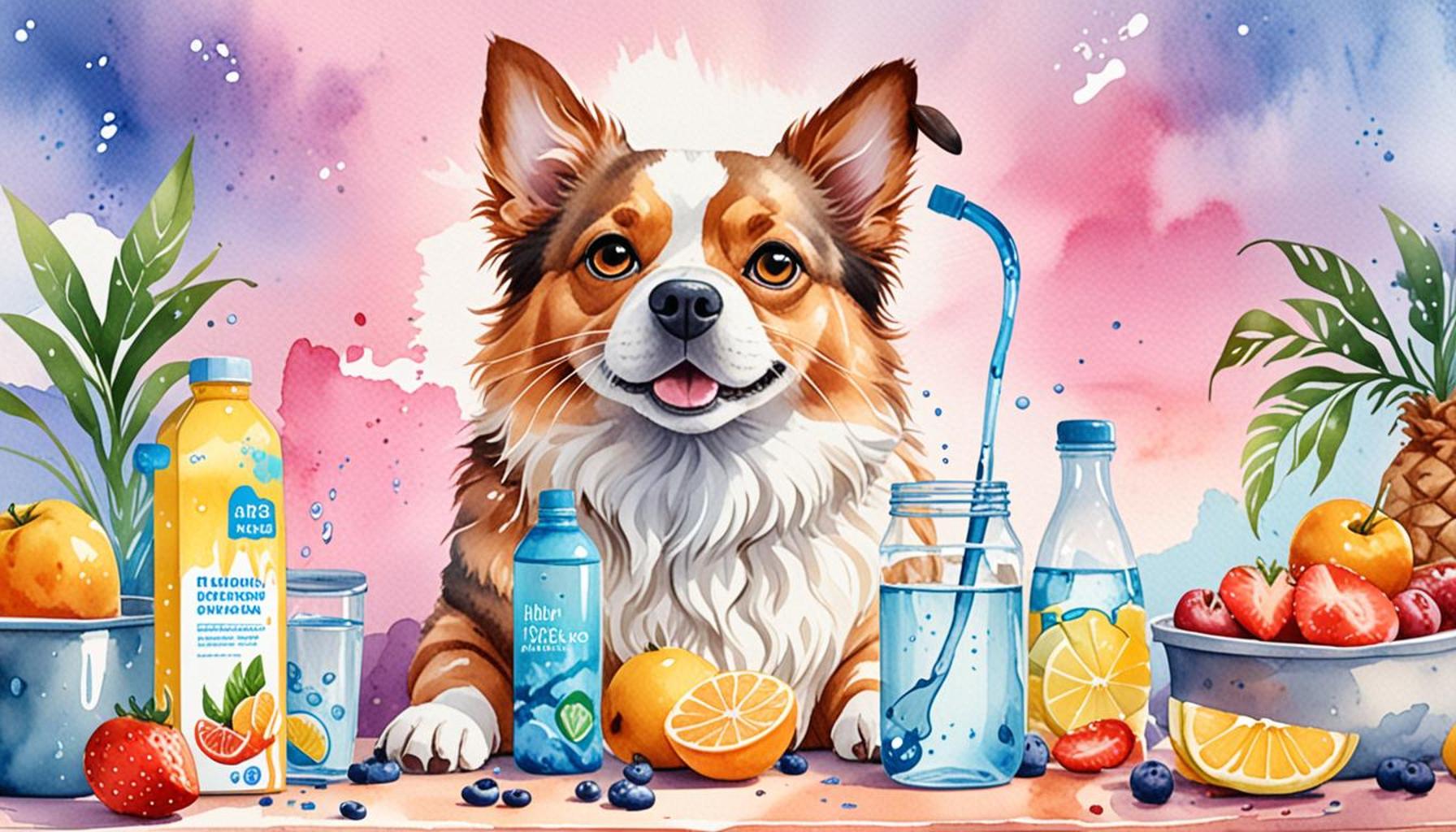
Some innovative solutions can help tackle these challenges. For example, pet water fountains can keep water moving, making it more appealing and encouraging pets to drink more. Portable water bottles are also an excellent investment for pet owners who enjoy outdoor activities, ensuring that pets remain hydrated even on the go.
Ultimately, understanding the importance of hydration in pet nutrition is crucial for maintaining optimal health. By incorporating awareness of hydration needs and monitoring environmental influences, pet owners in Nigeria can contribute significantly to their pets’ overall well-being and longevity.
RECOMMENDED: Check out this similar article
Conclusion
In conclusion, the significance of hydration in pet nutrition cannot be overstated, especially in the context of Nigeria’s diverse and often extreme climate conditions. As a responsible pet owner, ensuring your furry friends have consistent access to fresh water and a well-rounded diet is vital for their health and well-being. The correlation between hydration and the function of vital organs highlights the necessity of understanding your pet’s hydration needs.
By recognizing signs of dehydration, such as dry gums and lethargy, and making informed dietary choices, like incorporating wet food or hydration packs, you can proactively contribute to their hydration levels. Furthermore, with ingenious solutions like pet water fountains and portable water bottles, keeping your pets hydrated on-the-go has never been easier.
As you reflect on your pet’s daily routine, consider the various factors that contribute to optimal hydration. The knowledge of environmental influences, alongside a commitment to monitoring food moisture content, fosters a healthy partnership between you and your pet. In Nigeria, where climate conditions can put pets at risk of dehydration, a strong focus on hydration can promote a vibrant and active life for your beloved companions. Ultimately, embracing the vital role of hydration in pet nutrition is a step toward nurturing a longer, healthier, and happier life for your pets.