
Demystifying Pet Adoption: Myths and Truths About Animal Responsibility

Understanding Pet Adoption
Pet adoption is a noble endeavor that transforms lives, both for animals and families. Yet, several misconceptions cloud this rewarding process, often discouraging potential adopters. It’s time to unveil the truths behind these myths and promote responsible pet ownership.
Common Myths About Pet Adoption
- Adopted pets are always damaged goods: Many believe that shelter animals are undesirable due to their backstories, imagining them as untrustworthy or aggressive. In reality, shelter animals come from a wide range of backgrounds, including families who must move or individuals who face sudden life changes. Most shelter pets are loving companions, and countless studies highlight that many of these animals are just as trainable and affectionate as those purchased from breeders. For example, many shelters in Nigeria have programs that evaluate and train pets, showcasing their friendly demeanor and willingness to bond with new families.
- Adoption is only for certain breeds: There’s a common perception that shelters predominantly house mixed breeds. However, the reality is far more diverse. Various shelters host a rich variety of purebreds—ranging from Labradors to French Bulldogs—who are desperately searching for a new loving home. In Nigeria, organizations are increasingly recognizing the importance of breed diversity and are actively working to highlight purebred animals during adoption fairs and campaigns.
- Puppies and kittens are the only options: Many people often overlook the merits of adopting adult pets, believing only puppies and kittens provide the best companionship. However, adult animals, particularly seniors, can offer stability, a calmer presence, and often come with established behaviors, making the transition into a new home smoother. An adult dog, for instance, is likely to have already mastered basic training commands, thus requiring less initial supervision and instruction.
In Nigeria, the attitude towards pet adoption is evolving, yet significant gaps in understanding remain. Many people hesitate to adopt due to cultural beliefs or fears surrounding the responsibility of caring for an animal. There’s often an unfounded belief that pets should be highly trained before being adopted, but the truth is that training is a continuous journey that you embark on with your pet. Adopting a pet is about commitment and companionship. It demands dedication, not just for the moment but for what could be many joyful years to come.
Embracing Animal Responsibility
Understanding what it takes to care for a pet is crucial. Responsible ownership encompasses various aspects of everyday life:
- Providing proper nutrition and healthcare is fundamental. This includes regular veterinary visits and a balanced diet specific to the pet’s breed and age.
- Committing time for companionship and training is equally important. Animals need emotional connection and mental stimulation to thrive, which means engaging in play or walks and dedicating time for obedience training sessions.
- Understanding behavioral needs and challenges can foster a better relationship between pets and their owners. For instance, recognizing signs of anxiety in an adopted pet can help owner and animal adapt to their new lifestyle together.
Let’s dive deeper into the realities of pet adoption, breaking down barriers and reshaping perceptions for a more compassionate approach toward our furry friends. By educating ourselves and others, we can create a brighter future for abandoned animals and forge lasting bonds that enhance our lives and communities.
RECOMMENDED: Check out this similar article
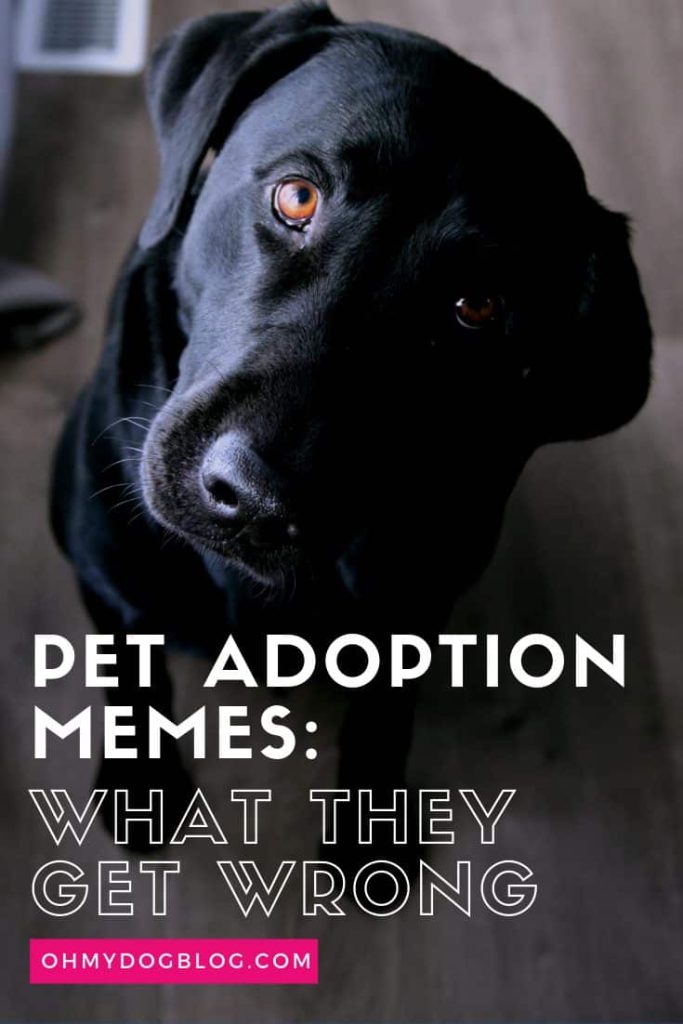
Debunking Misconceptions About Pet Adoption
While the notion of pet adoption is gaining traction in Nigeria, various misconceptions continue to shape public opinion and often hinder the beautiful bond between humans and animals. It is vital to unravel these myths as we promote humane practices and facilitate the adoption of pets that desperately need homes.
Myth 1: “Adopted Pets Come with Issues”
One prevalent myth is that adopted pets are inherently damaged or untrustworthy. Many prospective adopters are concerned about the emotional baggage of shelter animals, fearing they might have behavioral problems or be aggressive due to a traumatic past. Contrary to this belief, a significant number of shelter animals have loving and stable temperaments. For instance, a report from various Nigerian animal shelters indicates that up to 70% of their rescued animals are friendly and well-socialized. These organizations often implement behavioral assessments to evaluate the pets’ readiness for adoption. Understanding that each animal is unique can lead to a healthier attitude toward adopting a pet.
Myth 2: “Shelters Only Have Mixed Breeds”
Another common misconception is that shelters primarily house mixed-breed animals. This is a misunderstanding that deters many potential adopters from considering shelter options. In reality, many shelters in Nigeria are filled with a diverse range of breeds, including popular purebreds like Labrador Retrievers, German Shepherds, and French Bulldogs. Collaborations between breeders and shelters have also improved breed visibility, ensuring that potential adopters can find their desired breeds at local shelters. As the adoption landscape evolves, understanding the diversity in available pets can open up many possibilities for families.
Myth 3: “Only Puppies and Kittens Are Worth Adopting”
The allure of puppies and kittens often overshadows the advantage of adopting adult animals. Many people overlook the merits of older pets, believing they may not offer the same joy as their younger counterparts. However, adult pets possess several attractive qualities—including a calmer demeanor and settled personality. In a survey conducted among new pet owners in Nigeria, 68% reported that their senior dogs adapted quickly to their new homes and were easier to train due to their established behaviors. Additionally, older pets are often already house-trained, which significantly reduces the effort required from new owners.
Breaking Down the Barriers of Understanding
As pet adoption rates climb in Nigeria, it becomes essential to address these misconceptions head-on. Many individuals feel apprehensive about the responsibilities that come with pet ownership, often worried about the time and resources required for proper care. By presenting factual information and highlighting the benefits of adopting an animal, we can encourage more individuals to consider bringing a pet into their lives.
Through education and awareness, we can significantly reshape the perception of pet adoption in Nigeria, allowing more families to experience the joy and companionship that adopted pets provide. The journey towards responsible animal ownership begins with breaking down these myths and fostering a more compassionate understanding of our furry friends.
| Myth | Truth |
|---|---|
| Adoption is only for the less desirable pets. | Many purebred animals are available at shelters, and every pet deserves a loving home. |
| Adopted pets are unhealthy or have behavioral issues. | Shelters often provide health screenings and vaccinations, helping ensure your new pet is fit and ready for a smooth transition. |
| You can’t find the breed you’re looking for in shelters. | Many breed-specific rescues exist, making it possible to adopt specific breeds while saving a life. |
| It’s more expensive to adopt than buy. | Adoption fees are often significantly lower than purchasing from breeders and include essential vet care. |
Understanding the differences between the myths and truths of pet adoption is critical to becoming an informed and responsible pet owner. The belief that only undesirable animals are available for adoption discourages many potential pet owners, leading preconceptions to overshadow the joy of welcoming a new furry friend into their lives. Furthermore, shelter pets are often healthy and can become wonderful companions with proper care and training, countering the stereotype that adopted animals come with baggage. Moreover, the budget aspect of fostering a new pet is another common misconception. When considering the overall expenses, you may find that adopting from a shelter not only saves a life but also empowers you to think critically about animal welfare and responsibility. These enlightening realities encourage prospective adopters to explore the immeasurable joys of pet ownership while debunking harmful myths that hinder the incredible journey of pet adoption.
RECOMMENDED: Check out this similar article
Understanding the Responsibilities of Pet Adoption
As we delve deeper into the realities of pet adoption, it is essential to recognize the true responsibilities that come with bringing an animal into your home. Many potential adopters are deterred by the perceived burden of care and commitment; however, understanding the fundamental aspects of responsible pet ownership can alleviate these fears and prepare individuals for a rewarding experience.
Myth 4: “Pets Are Simple to Care For”
Some individuals assume that pets, once adopted, can easily integrate into their lifestyles without special considerations. This misconception can lead to a surprising lack of preparation, resulting in challenges that might overwhelm new pet owners. In reality, pets require ongoing care, including regular veterinary check-ups, nutritional needs, grooming, and social interactions. According to a study conducted in Nigeria, 85% of veterinarians stress the importance of routine visits and vaccinations for the long-term health of adopted animals. Proper education about these needs ensures that new pet owners can provide a nurturing and healthy environment for their furry companions.
Myth 5: “Adopting a Pet Is Too Expensive”
Financial concerns often play a significant role in discouraging individuals from adopting pets. Many perceive pet ownership as an exorbitant expense, unable to see beyond the initial costs. While it’s true that adopting a pet does involve some financial investment, potential pet owners should consider the benefits of adopting from shelters where fees are often minimal compared to purchasing from breeders. For instance, adoption fees in Nigerian shelters frequently include vaccination, spaying/neutering, and initial healthcare, saving adopters money in the long run. Furthermore, many organizations offer resources and support for managing pet costs, including low-cost veterinary services and pet care assistance programs.
Myth 6: “Pets Only Provide Unconditional Love”
While it is commonly said that pets offer unconditional love, it is essential to understand that this is a relationship that goes both ways. Animals thrive on attention, care, and affection in return for their loyalty. Engaging with pets through activities like training, playtime, and socialization enhances their well-being and deepens the bond between pet and owner. A survey by a renowned pet philanthropic organization in Nigeria revealed that 75% of pet owners experienced enhanced mental well-being attributed to the companionship and consistent interaction with their pets, showcasing the mutual nourishment that exists in the relationship.
Promoting Animal Responsibility Through Education
As the culture of pet adoption evolves in Nigeria, promoting education and awareness about responsible ownership is vital to minimize misconceptions. Engaging the community through workshops, volunteer opportunities, and partnerships with local shelters can provide invaluable support to both new and prospective pet owners. Initiatives that focus on fostering responsible care through guidance can not only empower individuals but also create lasting impacts on the community.
Realizing the mutual respect required in a pet-owner relationship aids in acknowledging the responsibilities attached to pet adoption. By confronting these myths and actively engaging in educational practices, we can dismantle misconceptions, leading to a healthier environment for both pets and their human companions.
CHECK OUT: Click here to explore more
Conclusion: Embracing Responsible Pet Adoption
In summary, the journey toward pet adoption should be approached with a clear understanding of the responsibilities involved. By dismantling popular myths such as the simplicity of pet care, the perceived financial burden, and the notion of unconditional love without reciprocity, potential pet owners can embrace a more informed perspective. Adopting a pet is not merely a decision to gain companionship; it is a commitment that requires time, effort, and financial investment.
As we navigate the growing culture of animal rescue in Nigeria, it becomes increasingly vital to foster a community spirit that champions responsible pet ownership. Through educational initiatives, workshops, and partnerships with local shelters, individuals can become well-prepared to welcome a furry friend into their lives. This enlightened approach reduces the chances of abandonment and improves the overall welfare of animals in our society.
Moreover, by recognizing the two-way street of love and care in the human-animal bond, adopters can cultivate a nurturing environment that enriches both their lives and those of their pets. This mutual trust enhances mental well-being and promotes a greater sense of belonging within the community.
Ultimately, pet adoption is a fulfilling journey laden with joy and companionship when approached responsibly. Let us continue to advocate for the truth behind animal responsibility, ensuring a brighter future for both pets and prospective owners alike. By doing so, we not only enrich our lives but also contribute positively to the society at large.