
Practical Guide to Preparing Your Home for an Adopted New Pet
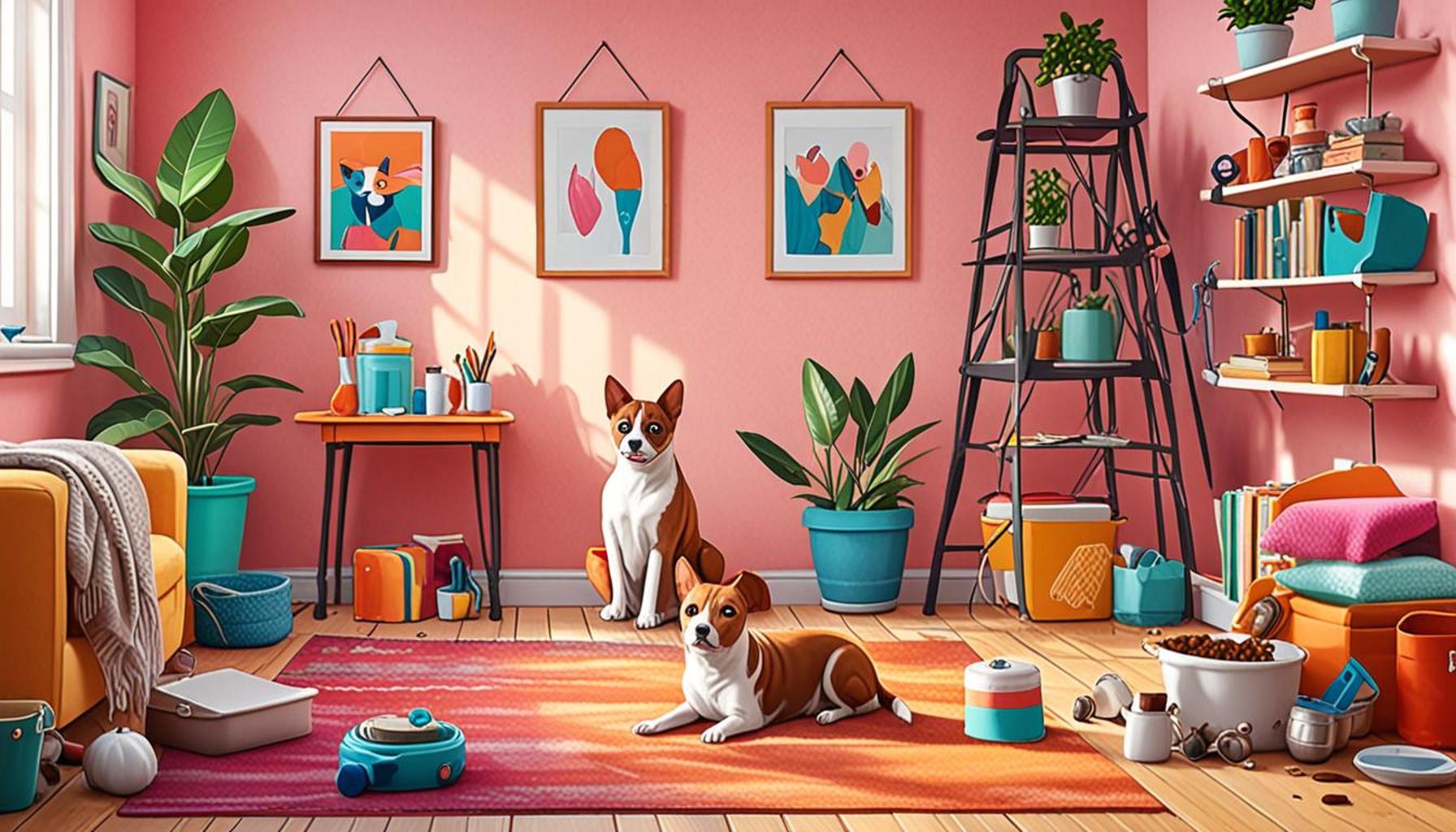
Welcoming a New Furry Family Member
Adopting a new pet is not just a momentary thrill; it marks the beginning of a long-lasting relationship filled with joy, companionship, and, undoubtedly, a bit of hard work. Being a responsible pet owner requires thorough preparation to ensure that your home becomes a safe and welcoming environment for your new companion. Embracing these steps can help you make sure the transition is seamless and enjoyable both for you and your furry friend.
- Assess Your Space: Start by thoroughly inspecting your living area. Look for potential hazards that could pose risks to your pet. For instance, if you have breakable items, like glass vases or delicate décor, consider moving them to high shelves. Furthermore, plants like the oleander and the sago palm can be toxic to pets, so it’s important to research indoor plants before introducing them to your home.
- Designate a Safe Zone: Create a designated area in your home where your new pet can retreat for comfort and security. This tranquil space can include a cozy bed, a few stimulating toys, and a bowl of fresh water. Introducing their scent in this area with blankets or bedding can help ease their anxiety. This is particularly vital in Nigerian households where the hustle and bustle may overwhelm your new pet initially.
Understanding your pet’s specific needs is vital for a thriving relationship. For example, energy levels can vary greatly between different breeds. Large breeds like the Boerboel might require ample outdoor space for exercise, while smaller breeds like Chihuahuas could be content with less. Cats, on the other hand, often enjoy heights, so incorporating vertical spaces like shelves can enrich their environment.
- Research Breed Characteristics: Conducting detailed research on the specific breed you’re adopting helps you cater effectively to their unique temperaments and care requirements. Some breeds might be more affectionate, while others may prefer independence.
- Consider Sustainability: As you prepare for your new pet, think about sustainability. Choosing eco-friendly products, such as biodegradable waste bags or sustainable pet food options, not only benefits your furry friend but also the environment, aligning with increasing global awareness for eco-conscious living.
- Budget for Ongoing Costs: It’s essential to have a financial plan in place for the long haul. Expenses like high-quality food, routine veterinary check-ups, vaccinations, and pet insurance can add up. In Nigeria, connecting with local pet owners or vet services could offer a clearer picture of potential costs and local practices.
Preparing for a new pet is not merely about buying supplies; it is about committing to a shared journey of love and responsibility. With careful thought and planning, you can create a joyful and harmonious coexistence that uniquely enriches both your life and that of your new furry family member.
SEE ALSO: Click here to read another article
Setting Up for Success: Creating a Pet-Friendly Home
When it comes to bringing a new pet into your home, the excitement should be matched with a thorough and thoughtful preparation process. Creating the right environment not only helps your new companion feel safe and secure but also sets the stage for a harmonious relationship. Below are essential steps to consider when preparing your living space for your adopted family member.

- Childproofing Your Space: If you have children, teaching them how to behave around a new pet is crucial. Kids should understand how to treat animals gently, and spaces that might lead to accidents should be off-limits. Consider using baby gates or barriers to create safe zones where your pet can escape if overwhelmed.
- Secure Electrical Cords and Wires: Pets, especially puppies and curious kittens, have a knack for chewing on items that catch their eye. Use cord management solutions or cover wires to protect your pets from electric shocks and biting hazards. Safety is paramount, so take the time to mitigate these risks.
- Establish a Feeding Area: Designate an area in your kitchen or living space where your pet can enjoy meals. Make sure it’s away from foot traffic and provides ample room for your pet to eat comfortably. Additionally, consider spill-proof bowls to minimize mess, especially important in a busy Nigerian household.
In Nigeria, adopting a pet often comes with unique challenges and advantages. Local resources can greatly enhance your pet preparation experience. For instance, connecting with community groups or forums focused on pet ownership can provide insights into species-specific care tailored to the local climate and environment. Understanding local wildlife, including potential threats from strays, can prepare you for early interactions.
- Prepare for Weather Changes: Nigeria’s weather can be unpredictable, so ensuring your pet has a comfortable indoor environment is essential. If you are adopting a dog, consider access to shade and water for outdoor time. For cats, a cool indoor space during the hot months can prevent overheating. Make sure your home remains a sanctuary regardless of external conditions.
- Pet Supplies Checklist: Before your pet’s arrival, it’s beneficial to stock up on supplies. This checklist should include:
- Food and water bowls
- High-quality pet food suitable for their age and breed
- A comfortable bed and blankets
- Leashes, collars, and identification tags
- Toys for mental stimulation
- Grooming tools based on the breed’s grooming needs
Establishing a solid foundation that addresses safety, comfort, and local influences will not only ease your new pet’s transition but also allow you to cultivate a nurturing environment. By considering these factors, your home will transition into a perfect haven for your new furry friend—one that meets their needs and brings joy into your life.
Preparing Your Space: A Comprehensive Overview
When welcoming an adopted pet into your home, the first step is to create a safe and inviting environment tailored to their needs. Not only will this improve the comfort of your new furry friend, but it also fosters a smoother transition for both of you. 1. Creating Safe ZonesEstablishing designated areas where your pet can feel secure is essential. This could be a cozy dog bed in a quiet corner or a cat tree near a window. Having a personal space allows your pet to decompress while adjusting to their new surroundings. 2. Securing the EnvironmentPet-proofing your home is crucial. Remove hazards such as toxic plants, choking hazards, and any valuables that could be knocked over. Ensure that electrical cords are out of reach and utilize baby gates if necessary to restrict access to certain areas like staircases or kitchens.3. Gathering Essential SuppliesBefore your pet arrives, gather necessary supplies, including food and water bowls, quality food, toys, and grooming tools. Depending on the type of pet, consider additional items like litter boxes or pet gates. These supplies not only cater to your pet’s immediate needs but can also aid in preventing future issues. 4. Introducing Family MembersIt’s important for all household members to understand how to interact with the new pet. Educate children on gentle handling and respect for the pet’s space. Plan a slow introduction, allowing your pet to acclimate to each family member at their own pace.5. Establishing RoutinesAnimals thrive on routines. Set regular feeding, playtime, and bathroom breaks. This will help your pet adjust to their new home and can assist in reducing anxiety. Consistency in routine is beneficial for training and bonding.By adhering to these guidelines, you foster an environment that serves not only the physical needs of your pet but also their emotional well-being, paving the way for a rewarding companionship.
| Category 1 | Category 2 |
|---|---|
| Safety Preparations | Ensure your home is free from hazards that could harm your pet. |
| Comfort Items | Create a welcoming environment with bedding, toys, and basic supplies. |
These foundational steps not only promote a sense of security for your new pet but also enhance your journey as pet owners, ensuring a harmonious household.
YOU MAY ALSO LIKE: Read read another article
Creating a Routine and Enriching Their Environment
Once you’ve laid the groundwork for your new pet’s physical environment, the next critical step is to create a daily routine and enrich their living space. Establishing a consistent schedule not only fosters a sense of stability for your pet but also enhances their overall well-being. Below are pivotal components to consider in this phase of preparation.
- Structured Daily Routine: Animals thrive on routine. From feeding to walks and playtime, having a set schedule provides your pet with the predictability they need to feel comfortable. For dogs, plan for two to three walks a day, including time for exercise and potty breaks. Cats may need interactive play sessions to keep them engaged and active. Setting specific meal times helps regulate their eating habits, which is particularly important in avoiding obesity—an issue especially prevalent among pets in urban Nigerian settings.
- Introduce Positive Reinforcement: Training your new pet, especially during the initial days, sets the tone for your relationship moving forward. Use positive reinforcement techniques, such as treats and verbal praise, to encourage good behavior. This can be particularly fruitful in Nigeria’s diverse settings, where understanding and patience can lead to quick bonding with your pet.
- Enrichment and Stimulation: Providing mental stimulation is as vital as physical exercise. Invest in puzzles, toys, and interactive games that challenge your pet’s intellect. For dogs, consider toys that dispense treats or engage them in nose work activities. Cats may benefit from scratching posts and climbing trees. These elements not only reduce boredom but can also mitigate unwanted behaviors such as chewing or scratching.
In many Nigerian communities, social interaction is as important as physical activity. Taking your dog to local parks or organizing playdates with other pets can provide both usability and socialization opportunities. Beyond mere play, understanding your pet’s social needs can provide a fulfilling experience for both you and your newfound companion.
Pet Safety Measures in the Home
As part of your preparation, it’s vital to focus on safety measures tailored to your unique home environment. Nigeria’s rich culture also presents unique challenges that require thoughtfulness in keeping your pet safe.
- Secure Your Yard: If you have a yard, ensure that it’s a safe haven for your pet. Check for gaps in fences, ensure that gates latch properly, and clear any potentially toxic plants. For dogs, ensuring they cannot escape allows for peaceful outdoor time without the risk of running onto busy roads or encountering aggressive animals.
- Be Aware of Local Wildlife: Nigeria is home to various wildlife, which can pose risks to pets, particularly in rural areas. Adopt a proactive monitoring approach if your pet is allowed outdoors. Be sure to keep an eye out for any stray dogs or potentially harmful animals that could be dangerous or aggressive.
- Establish a Vet Connection: Before your pet arrives, establish a relationship with a local veterinarian. Schedule an initial health check as soon as they come home. Many communities have vet services that cater specifically to the unique needs of pets in the area. You can also find mobile vet services that ease access, especially in more remote neighborhoods.
Implementing these strategies not only enriches your pet’s experience but also fortifies their sense of security. With preparation around their care, routine, and safety, your home will truly become a sanctuary, allowing your adopted pet to thrive and grow within your loving household.
ADDITIONAL INSIGHTS: Expand your understanding here
Conclusion: Building a Harmonious Home for Your New Pet
Welcoming an adopted pet into your home is a joyful and rewarding experience, yet it necessitates thoughtful preparation to ensure a smooth transition for both you and your new furry friend. By implementing the strategies highlighted in this guide, such as creating a nurturing environment, establishing a structured routine, and ensuring safety measures, you can significantly enhance your pet’s adjustment period.
Understanding your pet’s individual needs—be it through socialization, mental stimulation, or positive reinforcement—is essential for fostering a loving and interactive relationship. For example, in a lively city like Lagos, regular outings to pet-friendly parks can provide your dog with the necessary socialization opportunities, helping them to engage with other animals and people. Additionally, investing in various toys and activities can keep your pet’s mind sharp. Puzzle toys or training sessions using rewards can be excellent tools to stimulate your pet mentally, especially in bustling environments where boredom might set in.
Moreover, continually educating yourself on best practices in pet care is crucial. Engaging with resources such as local veterinary clinics, animal behaviorists, and online communities can provide valuable insights into your pet’s specific needs. In Nigeria, utilizing platforms like social media groups dedicated to pet ownership can foster a sense of community and shared knowledge among pet owners, facilitating richer experiences for both you and your pet.
Remember, patience and adaptability will enhance the bond you share, allowing both you and your new companion to thrive together in a joyful and fulfilling environment. Your home can truly become a sanctuary where your adopted pet feels loved, secure, and cherished, fostering a harmonious coexistence that enriches your life just as much as it does theirs.