
Strategies to Promote Animal Adoption in Rural Communities of Nigeria
Understanding the Need for Animal Adoption in Rural Nigeria
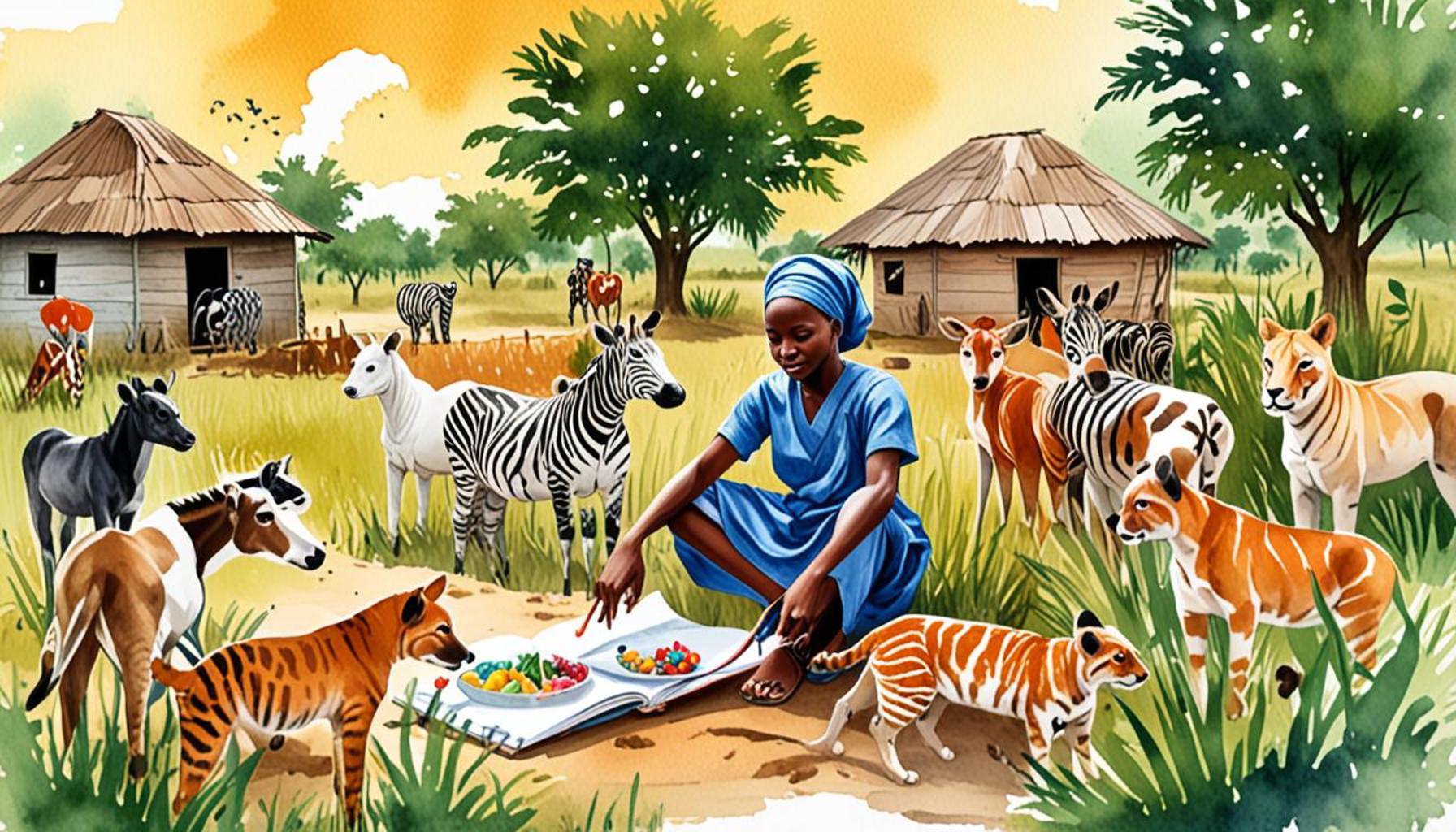
In the heart of Nigeria’s rural landscapes, stray animals roam the streets and lush fields, facing dangers and uncertainties. With the increasing challenges of urbanization, many pets are abandoned or lost, and those in local shelters are often without the hope of finding a family. As communities come together to address these issues, the need for animal adoption has never been more critical. Embracing the idea of giving these animals a second chance not only transforms their lives but also enriches the lives of the adopters and the community as a whole.
Community Education
One of the most effective ways to enhance animal adoption rates is through community education. Informing residents about the numerous benefits of adopting a pet can spark interest and compassion. Animals provide not just companionship but also serve as a meaningful source of emotional support. For example, studies have shown that keeping pets can help reduce stress levels, promote physical activity, and foster connections among families, particularly in rural settings where community bonds are vital. Educational workshops, community gatherings, and awareness campaigns can be tailored to local traditions, using native dialects and culturally relevant stories to resonate with audiences.
Partnerships with Local Leaders
Younger generations often look up to local leaders and respected figures. By establishing partnerships with these individuals, communities can leverage their influence to promote the importance of adoption. Storytelling plays a significant role in this strategy; sharing real-life tales of families who have successfully integrated pets into their homes can inspire others. For instance, a farmer in a remote village might share how adopting a dog not only protected the livestock but also brought a profound sense of joy to his children. Engaging these figures can amplify the message, encouraging broader participation in adoption initiatives.
Mobile Adoption Drives
Accessibility is a major barrier to pet adoption, especially in rural areas where transportation may be limited. Organizing mobile adoption drives throughout local markets and communities can significantly ease this problem. These events can feature local veterinarians offering free health check-ups, which would validate the condition of the animals and give potential adopters peace of mind. Providing small incentives, such as free starter kits of pet supplies, can further entice residents to consider adopting a furry friend.
Tailoring Initiatives to Local Cultures
To be effective, all initiatives must be tailored to the unique cultural fabric and specific challenges faced in rural Nigeria. Many communities have rich traditions surrounding animals; weaving these cultural elements into adoption narratives can cultivate a deeper connection. For example, many community members view animals as spiritual guardians or symbols of good fortune. By aligning adoption campaigns with these beliefs, individuals may be more inclined to welcome an animal into their homes as part of their cultural identity.
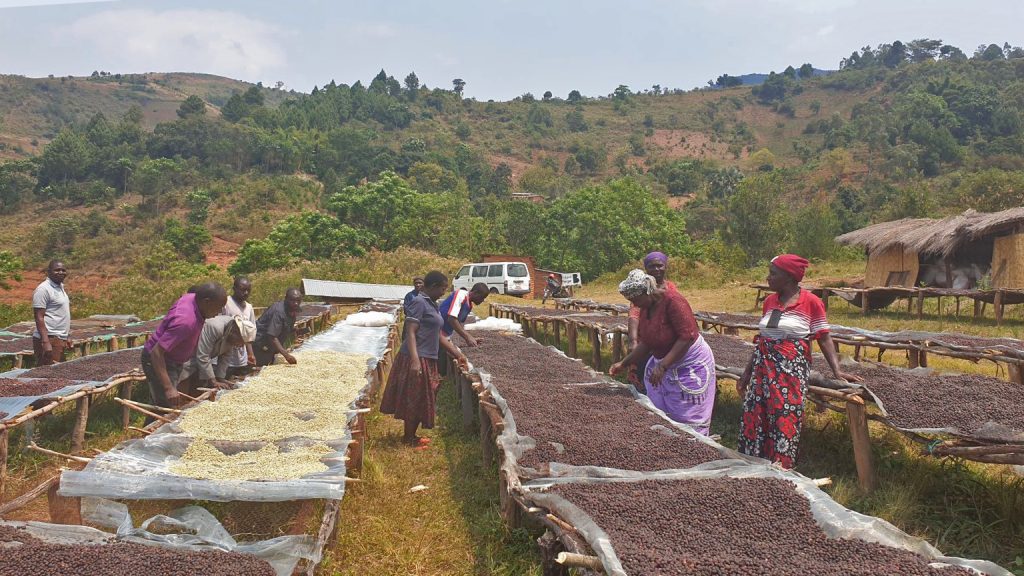
As awareness grows and the discussion around animal adoption deepens, the ripple effects on community wellbeing can be profound. These initiatives can lead to a shift in attitudes toward animal welfare, as residents begin to understand the impact of their choices. With collective effort, it is possible to foster a culture of care and responsibility towards animals, ultimately resulting in healthier households and happier communities in rural Nigeria.
RECOMMENDED: Check out this similar article
Engaging the Community for Successful Adoption Strategies
Promoting animal adoption in rural communities of Nigeria requires a comprehensive approach that engages local residents, raises awareness about animal welfare, and fosters a sense of responsibility towards abandoned pets. The challenge is not merely about finding homes for stray animals but about transforming societal attitudes and behaviours related to animal care. Such transformation is achievable through various strategies, which can be implemented collaboratively by stakeholders, including local governments, animal welfare organizations, and passionate community members.
Utilizing Social Media and Technology
In an increasingly digital world, even rural communities are experiencing a rise in mobile phone usage and social media engagement. Utilizing these platforms can serve as a powerful tool for animal adoption advocacy. Local groups can create engaging content that tells stories of animals in need of homes, share testimonials from adopters, and disseminate important information about adoption events. By using popular social media channels such as Facebook and WhatsApp, they can reach a broader audience without the constraints of geographic barriers.
Interactive Community Events
Building community excitement around animal adoption can be effectively achieved through interactive events. When these gatherings are designed to be fun and engaging, they attract participants of all ages and backgrounds. Activities could include:
- Pet Shows: Friendly competitions where local pets showcase their talents or unique traits can demonstrate the joy of pet companionship.
- Workshops: Hands-on sessions to educate residents on animal care, responsible pet ownership, or even basic veterinary skills can promote a sense of responsibility.
- Adoption Fairs: Organizing fairs where potential adopters meet animals directly can facilitate connections and lessen adoption hesitations.
These events not only spotlight available animals but also create social spaces for community bonding and learning.
Incentivizing Adoption
In rural areas, the cost associated with pet ownership can deter families from considering adoption. By implementing incentive programs, organizations can alleviate these financial burdens. Such incentives might include:
- Subsidized veterinary care for newly adopted pets.
- Free or discounted food supplies for a limited period upon adoption.
- Registration drives that help newcomers to the pet ownership community understand the responsibilities involved.
Through these programs, potential adopters can feel more confident in their decision, easing the financial stress that often weighs heavily on rural families.
Advocating for Local Laws and Support Systems
Another crucial aspect of promoting animal adoption is advocating for local laws and support systems that protect animal welfare. Encouraging local governments to establish regulations that support stray animals and promote adoption can create a nurturing environment where animals are valued. This may include legislation for responsible pet ownership, funding for local shelters, or even the establishment of community-based animal rescue groups that involve residents in the rescue and rehoming processes.
As rural communities work towards effective strategies for animal adoption, the collective impact of these initiatives can fundamentally change the narrative surrounding stray animals. By embracing their role as caretakers, community members can enjoy stronger bonds with pets, leading to healthier families and more vibrant communities in Nigeria.
| Advantage | Description |
|---|---|
| Community Engagement | Encouraging local participation in animal adoption campaigns fosters a sense of ownership and responsibility. |
| Awareness Programs | Implementing educational programs about the benefits of adoption reduces misconceptions about shelter animals and increases adoption rates. |
In rural communities of Nigeria, fostering a strong bond between the population and their local animal shelters can significantly enhance adoption rates. By prioritizing community engagement, these strategies not only promote animal welfare but also create a network of support amongst residents. Local workshops, partnerships with schools, and community events can mobilize individuals to take part in the adoption process.Additionally, launching awareness programs can be instrumental. These initiatives can showcase the various positive traits of shelter animals and dismantle myths that often deter potential adopters. By disseminating accurate information about animal care, local shelters can cultivate an environment where adoption is viewed as a positive and fulfilling option. Further investigation into the specific needs and sentiments of rural communities can help tailor these strategies effectively, thus resulting in improved animal welfare and stronger community ties.
CHECK OUT: Click here to explore more
Empowering Local Partnerships for Sustainable Change
As the movement for animal adoption gains momentum in rural Nigeria, fostering local partnerships becomes essential. Collaborations between animal welfare organizations, community leaders, and educational institutions can amplify efforts and provide lasting impacts. These alliances can introduce innovative programs, create sustainable resources, and ensure that animal welfare remains a priority in community development agendas.
Educational Outreach in Schools
Engaging young minds is vital for long-term change in attitudes towards animals. Schools can serve as the perfect platform for educational outreach programs that inform students about responsible pet ownership, animal rights, and the importance of adoption. Furthermore, integrating animal care into the curriculum can foster empathy and a sense of responsibility among students. Educational initiatives can include:
- School Competitions: Organizing essay writing or art competitions focused on animal welfare can ignite students’ passion for advocacy.
- Field Trips: Collaborating with local shelters for student visits can provide firsthand experiences, allowing students to understand the plight of abandoned animals.
- Guest Speakers: Inviting local veterinarians or animal rescue experts to talk about the significance of pet adoption and responsible care can deepen the community’s knowledge.
Through education, schools can mold future generations to be compassionate advocates for animal welfare, which will ultimately contribute to more successful adoption rates.
Building Effective Volunteer Networks
Enthusiasm for animal welfare often thrives among locals with shared interests. Establishing volunteer networks can attract committed individuals to engage in various activities such as animal rescues, fostering, or organizing adoption events. By creating structured volunteer programs, communities can better coordinate efforts and maximize their outreach potential. Effective volunteer management involves:
- Training Programs: Providing clear guidelines and training for volunteers ensures a consistent approach whenever they engage with animals or potential adopters.
- Recognition Initiatives: Acknowledging dedicated volunteers can cultivate a culture of commitment, encouraging more individuals to join the cause.
- Community Service Projects: Volunteers can organize projects such as clean-up days at local shelters or community awareness campaigns, generating visibility for the importance of animal adoption.
By empowering individuals to contribute, rural communities can build a collective spirit around animal welfare, saving countless animals from the streets.
Encouraging Responsible Breeding Practices
In rural areas of Nigeria, the allure of breeding animals can lead to overpopulation and abandonment. It is essential to encourage responsible breeding practices among local pet owners and breeders. Implementing educational campaigns that emphasize humane breeding and the consequences of uncontrolled breeding can significantly impact communities. Possible strategies include:
- Community Workshops: Workshops can educate breeders and pet owners on the ethical responsibilities of breeding, including genetic health considerations.
- Access to Spay/Neuter Services: Collaborating with local clinics to provide affordable spaying and neutering services can help control the animal population.
- Promotion of Adoption Over Buying: Raising awareness about the benefits of adopting rather than buying pets can shift public perception towards choosing adoption as a socially responsible option.
By promoting responsible breeding, communities can mitigate the risks of overpopulation while simultaneously expanding the pool of adoptable animals.
Through these combined efforts, rural communities across Nigeria can create an enriching environment for animals and people alike, fostering a culture that prioritizes animal adoption and welfare.
SEE ALSO: Click here to read another article
Conclusion
In conclusion, promoting animal adoption in rural communities of Nigeria requires a multi-faceted approach that combines education, collaboration, and community engagement. The strategies outlined—empowering local partnerships, implementing educational outreach in schools, building volunteer networks, and encouraging responsible breeding practices—are pivotal for making significant strides in animal welfare.
By fostering local partnerships with organizations and community leaders, residents can create sustainable initiatives that ensure animal welfare is prioritized in local development agendas. Moreover, education plays a crucial role in shaping the attitudes of future generations towards responsible pet ownership. Schools are an ideal venue for embedding animal care into their curricula and promoting empathy among students through creative competitions, engaging field trips, and informative guest lectures.
Establishing robust volunteer networks will rally passionate individuals to lead outreach and rescue efforts, creating a sense of community ownership over animal welfare. Additionally, advocating responsible breeding practices can help mitigate the problems of overpopulation and abandonment while promoting the significance of adoption. As communities forge strong bonds around these initiatives, they will not only improve the lives of animals but also enrich their own community spirit.
Ultimately, the success of these strategies will depend on active participation and commitment from all community members. By cultivating a culture that prioritizes animal adoption and welfare, rural Nigeria can pave the way for a brighter future for both animals and their human companions, encouraging a harmonious coexistence where both can thrive.

Linda Carter
Linda Carter is a writer and pet care expert specializing in pet health, grooming, and wellness. With extensive experience helping pet owners create safe, loving, and enriching environments for their animals, Linda shares her knowledge on our platform. Her goal is to empower readers with practical advice and strategies to ensure their pets thrive and lead joyful, healthy lives.