
How to Deal with Unwanted Behaviors in Pets: Strategies and Solutions
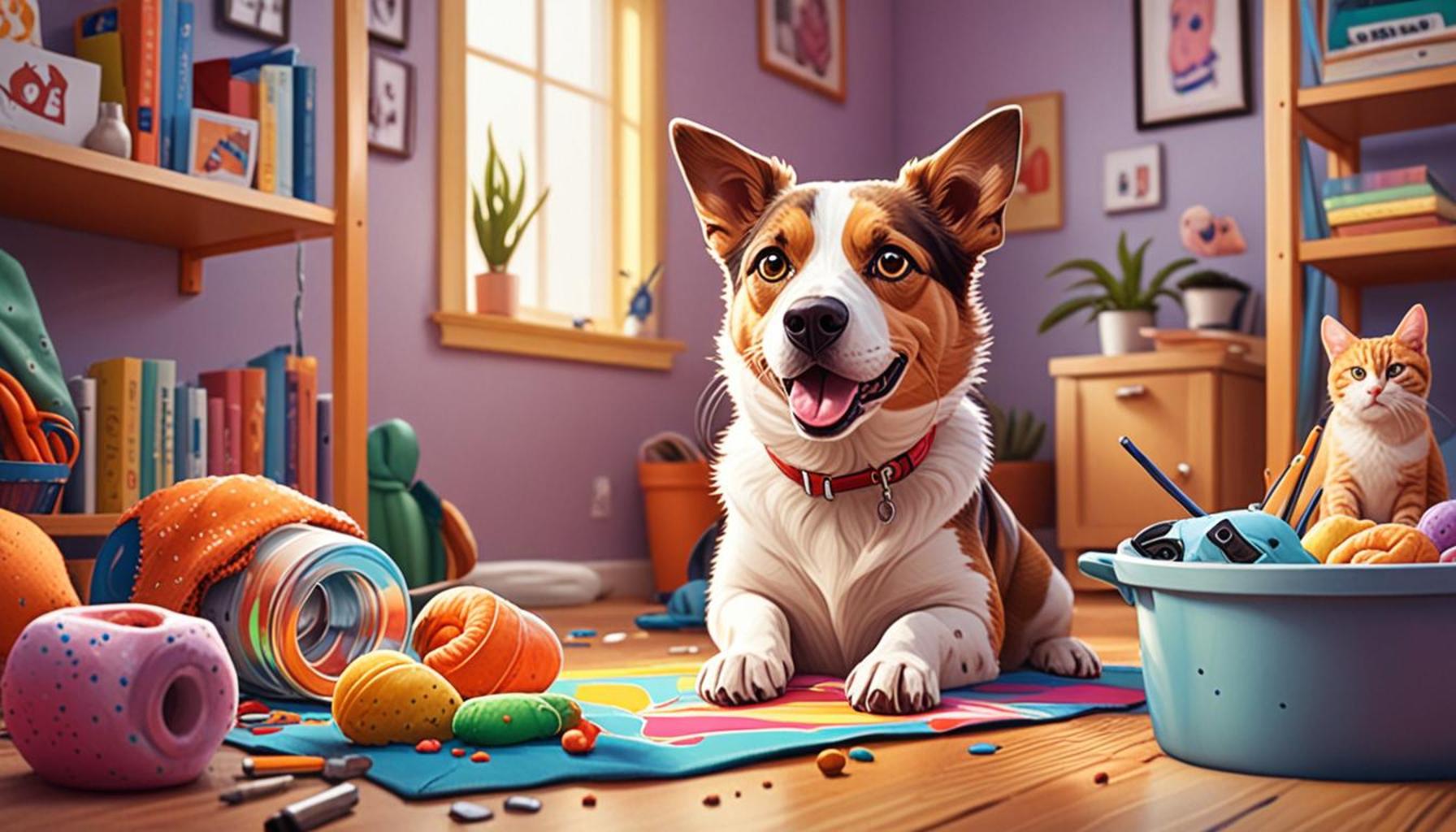
Understanding Unwanted Pet Behaviors
Every pet owner has likely faced the challenge of unwanted behaviors in their furry companions. These behaviors can range from disruptive barking to destructive chewing, and they often leave owners puzzled and frustrated. However, addressing these issues is crucial for maintaining harmony in the household. Not only do such behaviors disturb the peace, but they can also strain the bond between pets and their owners.
Common Unwanted Behaviors
Identifying specific behaviors can help in formulating effective strategies to manage them. Here are some common issues:
- Excessive barking: This can be a response to a variety of stimuli such as strangers, loud noises, or even boredom. Owners may find it especially challenging when their dog barks at passersby, leading to a stressed living environment.
- House soiling: Many pet owners deal with the frustration of pets urinating or defecating inside the house, often due to a lack of training or changes in routine.
- Destructive chewing: Pets may chew on furniture, shoes, or other household items out of boredom, anxiety, or teething issues. This can be particularly common in younger dogs who are still exploring their world.
- Aggression towards other pets or humans: This can stem from fear, territoriality, or lack of socialization and can pose serious safety concerns for both pets and humans alike.
The Importance of Understanding Triggers
Understanding the triggers behind these behaviors is essential for effective intervention. Common triggers might include:
- Stress or anxiety: Factors such as loud noises, changes in the household, or a lack of companionship can lead to increased anxiety in pets, prompting unwanted behaviors as a coping mechanism.
- Lack of exercise: In bustling Nigerian cities, pets may not get ample physical activity, leading to pent-up energy that manifests in negative behaviors. Regular walks, playtime, or even agility training can be beneficial in counteracting this.
- Health issues: It’s critical to ensure pets are not struggling with underlying health problems that may cause discomfort, leading to behavioral issues. Routine vet checks can help address potential health issues early.
In Nigeria, additional factors such as the hot climate, busy urban environments, and limited outdoor space may also contribute to why pets act out. For instance, a lack of safe spaces to play or socialize can exacerbate feelings of frustration and anxiety in pets. Observing and addressing these triggers will be a key part of developing effective modifications to unwanted behaviors.
Fortunately, there are proven strategies and solutions that can assist pet owners in managing and reducing these issues. Techniques such as positive reinforcement training, providing structured routines, and ensuring regular veterinary visits can help in curbing unwanted behaviors. Exploring different approaches can unlock a more enjoyable and peaceful relationship with your beloved pet, enhancing the overall quality of life for both the animal and its owner. Understanding your pet’s needs and environment is the first step toward a harmonious household.
ADDITIONAL INSIGHTS: Expand your understanding here
Effective Strategies for Managing Unwanted Behaviors
Successfully addressing unwanted behaviors in pets requires a mixture of understanding, patience, and consistency. Pet owners need to develop a set of actionable strategies that not only mitigate these behaviors but also encourage positive habits. Here are some practical methods that can be adopted by pet owners looking to reclaim their homes and strengthen their bond with their furry friends.
Positive Reinforcement Training
One of the most widely recommended approaches to managing unwanted behaviors is positive reinforcement training. This method involves rewarding desirable behaviors rather than punishing unwanted ones. By doing so, pets learn to associate good behavior with positive outcomes, such as treats, praise, or playtime. Here’s how you can implement this technique:
- Identify Desired Behaviors: Focus on specific behaviors you want to encourage, like sitting quietly, walking well on a leash, or not jumping on guests.
- Use Rewards: Use a variety of rewards tailored to your pet’s preferences. For instance, puppies may respond well to small treats, while older dogs may prefer praise or toys.
- Be Consistent: Consistency is key. Ensure that all family members use the same commands and rewards to avoid confusing your pet.
- Timing: Reward your pet immediately after they exhibit the desired behavior to reinforce the connection between the action and the reward.
Creating Structure and Routine
Establishing a structured routine is another effective strategy to combat unwanted behaviors. Pets thrive on predictability, and a consistent schedule can help reduce anxiety and impulsive actions. Here are a few aspects to consider:
- Regular Feeding Times: Ensure that meals are given at the same times each day. This helps avoid behaviors stemming from hunger, like scavenging.
- Exercise Schedule: Incorporate daily walks, play sessions, and interactive activities into your routine. Regular physical activity can significantly curb excessive energy and reduce behaviors linked to boredom.
- Designated Play and Rest Periods: Create specific times for play and downtime to help your pet learn when it is appropriate to be active or relaxed.
Consulting with Professionals
If unwanted behaviors persist despite your best efforts, it may be beneficial to consult with a certified pet trainer or a veterinarian. They can provide personalized advice tailored to your pet’s unique situation. In Nigeria, many trainers offer home visits, allowing them to observe your pet’s behavior in its familiar environment, which can lead to more effective recommendations. Additionally, a veterinarian can rule out any medical conditions that may be contributing to the behavioral issues.
By combining these strategies with an understanding of your pet’s triggers and needs, you can effectively manage unwanted behaviors. Adopting a nurturing and proactive approach not only enhances your relationship with your pet but also contributes to a more peaceful living environment for everyone.
| Strategies | Solutions |
|---|---|
| Positive Reinforcement | Encourages good behavior by rewarding pets when they exhibit desirable actions. |
| Consistent Training | Establishes a clear behavior framework, helping pets understand what is expected. |
| Environmental Modifications | Alters the space to deter unwanted behaviors, like removing triggers or providing outlets. |
| Structured Exercise | Incorporates regular physical activity to reduce anxiety and aggression in pets. |
| Behavioral Consultation | Seeks professional advice for persistent issues, ensuring tailored strategies for success. |
Understanding unwanted behaviors in pets requires a multifaceted approach. Positive reinforcement is widely recognized as a highly effective method to encourage desirable actions in pets. For instance, every time your dog sits on command, offering a treat reinforces that behavior and promotes its recurrence. Equally important is the aspect of consistent training, where establishing a clear set of rules helps pets learn what behaviors are expected of them. Modifying the environment can also play a crucial role; simple adjustments can eliminate triggers that lead to negative behaviors, fostering a harmonious home life. Structured exercise is another vital strategy, as regular activity reduces pent-up energy and anxiety, which are often the culprits behind unwanted behaviors. For more complex issues, consulting with a behavioral expert can provide tailored strategies, facilitating a customized approach that aligns with the specific needs of your pet and home environment. With these strategies in mind, pet owners are better equipped to tackle unwanted behaviors effectively.
YOU MAY ALSO LIKE: Read read another article
Environmental Management and Enrichment
Another pivotal area in tackling unwanted behaviors in pets is through effective environmental management and enrichment. Creating an optimal living space tailored to your pet’s needs can significantly minimize undesirable behaviors. Here are several approaches to consider:
Removing Temptations
Pets, especially dogs and cats, can sometimes be driven to unwanted behaviors due to accessible temptations. For instance, a curious dog may chew on furniture or shoes if they are within reach. Here’s how to mitigate this:
- Pet-Proof Your Home: Strategically place items that are easily chewed or ingested out of your pet’s reach. Consider using baby gates or playpens to limit access to certain areas.
- Secure Trash Bins: Ensure that trash cans have secure lids to prevent scavenging behavior, which can lead to both mess and potential health issues from ingestion of harmful substances.
Providing Engaging Activities
Enrichment activities can be crucial in keeping your pet engaged and reducing boredom, which often leads to unwanted behaviors. Consider the following options:
- Interactive Toys: Invest in puzzle toys that challenge your pet mentally. These toys often require pets to solve problems to access treats, providing mental stimulation and reducing destructive behavior.
- Outdoor Adventures: Given Nigeria’s diverse environments, regular visits to parks or open spaces can provide both physical exercise and mental stimulation. Explore local parks like Lekki Conservation Centre, where pets can enjoy a change of scenery and socialize with other animals.
- Training Games: Incorporate fun training sessions where you can teach new tricks or reinforce good behavior. Not only does this provide mental engagement, but it also strengthens the bond between you and your pet.
Attention and Socialization
Pet behavior can also stem from a lack of attention or social interaction. Pets are social creatures that thrive when they spend time with their owners or other pets. Here are a few tips:
- Quality Time: Dedicate time each day to engage with your pet. Simple activities like playing fetch, going for a walk, or cuddling on the couch can greatly satisfy their emotional needs.
- Pet Playdates: If your pet is social and enjoys the company of other animals, consider organizing playdates with friends who have pets. This allows your pet to learn appropriate social behaviors and expend energy positively.
Utilizing Technology
In a tech-savvy world, pet owners can leverage various tools to manage unwanted behaviors effectively. From training apps to smart toys, technology offers valuable resources:
- Training Apps: Platforms like Pupford and Dogo can provide you with training tips and structure, making it easier to implement behaviors you want to reinforce.
- Pet Cameras: Using a pet camera can help monitor behaviors when you are away. This allows you to identify specific triggers or patterns that lead to unwanted behaviors, enabling a more targeted approach to training.
By refining your pet’s environment and taking advantage of various enrichment strategies, you can significantly reduce unwanted behaviors while promoting a healthy and loving relationship. Pet owners in Nigeria can especially benefit by combining traditional methods with locally relevant practices, ensuring their furry friends lead a fulfilling life.
ADDITIONAL INSIGHTS: Expand your understanding here
Conclusion
Effectively managing unwanted behaviors in pets requires a multifaceted approach that combines understanding, patience, and strategic interventions. As we have explored, solutions can vary widely from environmental management and enrichment to utilizing modern technology. Each pet is unique, and identifying specific triggers for undesirable actions is crucial to formulating an effective response.
By taking proactive measures such as pet-proofing your home, providing engaging activities, and prioritizing quality time and socialization, pet owners can create a more harmonious living environment. The importance of interactive toys or outdoor adventures cannot be overstated, as these not only keep pets entertained but also contribute to their overall well-being. Moreover, incorporating technology serves as an innovative way to monitor and address behaviors, allowing pet owners to understand what drives certain actions.
In Nigeria, where pet ownership is increasingly popular, the integration of culturally relevant practices—such as frequent trips to local parks or utilizing community pet services—can further enhance the quality of life for pets and their owners alike. In striving for a balanced, fulfilling relationship with your furry companion, remember that consistency and love are key to fostering the positive behaviors you seek.
In conclusion, dedicating time and resources to understand and manage unwanted behaviors in pets not only enriches their lives but also strengthens the bond between you and your beloved companion. Take these strategies to heart and observe how they can transform your pet into the well-adjusted joy you desire.

Linda Carter
Linda Carter is a writer and pet care expert specializing in pet health, grooming, and wellness. With extensive experience helping pet owners create safe, loving, and enriching environments for their animals, Linda shares her knowledge on our platform. Her goal is to empower readers with practical advice and strategies to ensure their pets thrive and lead joyful, healthy lives.