
The Importance of Positive Training for Cats: Building a Healthy Bond with Your Feline
Understanding the Role of Positive Training
When it comes to nurturing a connection with your feline friend, positive training emerges as a crucial element. Many cat owners often overlook this aspect, unaware of its profound impact on both behavior and bonding. Knowing how to train your cat positively can lead to a more harmonious household, transforming day-to-day interactions into moments of joy and understanding.
Benefits of Positive Training
- Enhances Communication: One of the key advantages of positive training is its ability to establish a mutual understanding between you and your cat. By using vocal cues and hand signals, you can effectively communicate your expectations. For example, when teaching your cat to come when called, a specific sound can become their cue. This strengthens trust and creates a better relationship.
- Reduces Anxiety: Training using positive reinforcement helps create a calm environment. Many cats thrive on routine and predictability, and positive training can reduce stress for both owner and pet. A cat that feels secure in its environment is less likely to exhibit fearful behavior, making for a more peaceful household.
- Encourages Good Behavior: Positive training focuses on rewarding desired actions rather than punishing undesirable ones. For instance, when your cat uses scratching posts instead of furniture, providing a treat or praise reinforces that behavior. This approach fosters a mindset where your cat feels encouraged to exhibit good behavior consistently.
- Improves Quality of Life: Engaging your cat through training activities keeps them mentally stimulated and physically active. An active cat is not only healthier but less prone to common behavioral issues that arise from boredom, such as excessive meowing or inappropriate elimination. The bond you create through shared activities will enrich both your lives.
In places like Nigeria, where cats often roam freely and have varied lifestyles, establishing boundaries through positive reinforcement becomes even more vital. By utilizing treats or interactive toys, you can motivate your cat to learn commands or adhere to household rules. This not only enhances your bond but also integrates seamlessly with the local environment, as it encourages exploration while maintaining a safe space.
Promoting a Healthy Relationship
Positive training transcends mere discipline; it cultivates a framework for a loving relationship. Cats are exceptionally intelligent creatures, and with the right techniques, you can nurture a partnership built on affection and respect. As you embark on this rewarding journey, the signs of progress will manifest not just in your cat’s behavior—more playfulness, less aggression—but also in the deepening dynamic you share.
Furthermore, joining training communities or forums can provide you with additional resources and support, helping you explore diverse training techniques and tips unique to your locale. By fostering a collaborative spirit with fellow cat owners, you not only learn but contribute to a vibrant community dedicated to the happiness of feline companions. In essence, positive training ensures that both you and your cat embark on a fulfilling journey together, making the most out of every moment shared.
YOU MAY ALSO LIKE: Read read another article
Fostering Trust Through Consistency
In the realm of feline companionship, trust is the cornerstone of a successful relationship. Positive training plays an instrumental role in building this trust, as it fosters an environment where your cat feels safe to learn and explore. By establishing consistent training routines, you can help your cat understand what is expected of them, thus reducing confusion and anxiety. This consistency can be particularly significant for cats in Nigeria, where environmental factors often influence their behavior. For instance, a cat accustomed to a predictable training schedule may respond better to commands amidst the bustling scenes of urban life.
Creating a Positive Environment
To maximize the benefits of positive training, it is essential to create an inviting atmosphere for your cat. This involves using treats, toys, or even verbal praises that resonate with your feline friend. For instance, cats in lagos may respond favorably to high-quality fish-based treats due to their natural instincts. Engaging their senses not only captures their attention but also makes the training process enjoyable. Choosing the right reward can make all the difference in how effectively your cat learns.
- Be Patient and Observant: Training is not a race; it requires time and patience. Observe your cat’s reactions and adapt your techniques accordingly to keep them engaged and motivated.
- Utilize Short Training Sessions: Cats have relatively short attention spans, so keeping training sessions brief (around 5-10 minutes) helps maintain their focus.
- Maintain a Calm Demeanor: Cats are highly attuned to human emotions. Staying calm and collected ensures they feel secure, which allows for more effective learning.
- Incorporate Playtime: Integrating play into training is an excellent way to reinforce positive behavior. For example, use a feather toy as a reward when your cat successfully follows a command.
Moreover, positive reinforcement fosters a sense of achievement for your cat. When they receive treats for mastering a command, this boosts their confidence and instills a desire to continue learning. In Nigeria, where societal stressors such as overcrowding and noise can affect a cat’s mental well-being, providing constructive outlets for energy through training is essential. It not only alleviates behavioral issues but creates a fulfilling routine that benefits both you and your cat.
Overcoming Behavioral Challenges
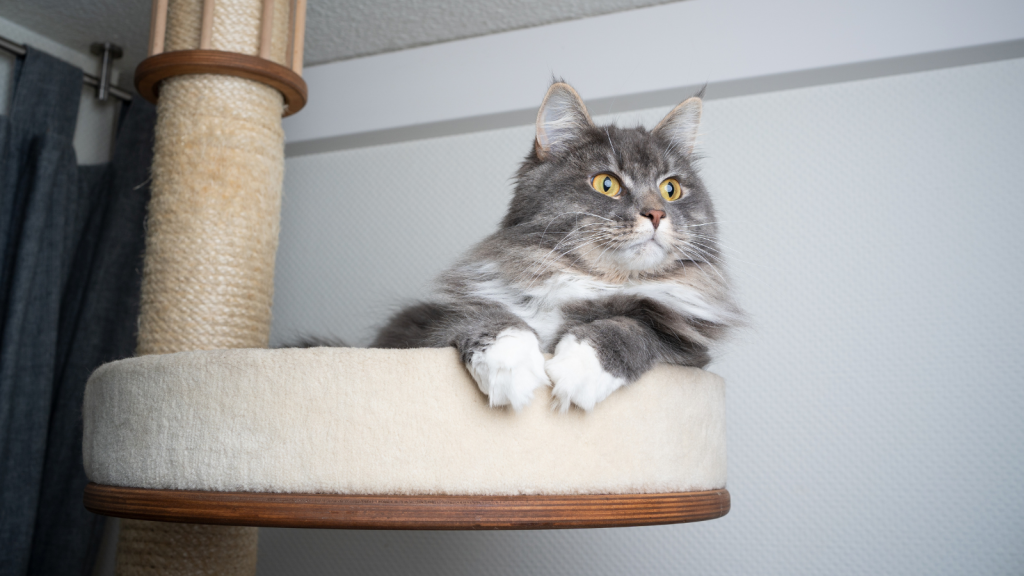
Positive training also addresses common behavioral challenges effectively. Many cat owners encounter issues such as scratching furniture, litter box refusal, or excessive meowing. Rather than resorting to punishment, which can harm the bond with your cat, positive training involves redirecting those behaviors towards something more acceptable. For instance, if your cat enjoys climbing, providing them with a designated cat tree can divert their attention from furniture. By guiding them with rewards, you create an atmosphere of learning rather than fear, thus strengthening your relationship.
In conclusion, the importance of positive training for cats cannot be overstated. It lays the foundation for building a healthy, trusting relationship rooted in mutual respect and understanding. By integrating these techniques into your daily routine, you are not just teaching your cat; you are fostering a deeper bond that enhances both your lives.
| Training Method | Advantage |
|---|---|
| Clicker Training | Enhances communication by reinforcing desired behaviors effectively. |
| Positive Reinforcement | Fosters trust and helps your cat feel secure, leading to lasting bonds. |
| Socialization Techniques | Encourages confidence in various environments, promoting a well-adjusted feline. |
| Routine Establishment | Creates stability, which can reduce anxiety and improve overall behavior. |
Implementing positive training methods not only elevates the experience of pet ownership but also ensures a happier, healthier life for both the owner and the feline companion. Many cat owners are surprised to learn that techniques like clicker training can change their cat’s behavior in mere weeks, revealing the remarkable adaptability of these creatures. This engaging process builds a deeper connection between humans and cats, reducing stress for both parties, and enhancing the cat’s overall demeanor.As these techniques are utilized, cat owners will discover that their pets are not only more obedient but also eager to engage and explore their surroundings with newfound confidence. Understanding the fundamentals of positive reinforcement can be the key to unlocking potential behaviors and deepening the bond between feline friends, thereby creating a harmonious household. For many cat parents, the journey into positive training is about more than just obedience; it’s a gateway to exploring the unique personalities of their pets. Harnessing the potential of these methods requires patience, consistency, and an understanding of feline behavior, ultimately leading to a fulfilling companionship enriched by trust and affection.
RECOMMENDED: Check out this similar article
Enhancing Communication and Understanding
Communication is key in any relationship, and this is especially true when it comes to our feline friends. Positive training not only helps in teaching your cat various commands but also enhances the understanding between you and your pet. Cats, like any other animals, are perceptive creatures capable of reading human emotions and body language. By employing positive reinforcement techniques, you can create an open channel for communication, enabling your cat to interpret your cues more effectively.
Understanding Feline Behavior
A fundamental aspect of positive training is recognizing and understanding feline behavior. Unlike dogs, cats have more subtle social cues, making it vital for owners to learn how to interpret their emotions and reactions. In bustling urban areas like Abuja or Lagos, various disturbances can lead to stress or anxiety in cats. By being mindful of these stressors and training them positively, you teach your cat that they can trust your guidance, even in chaotic environments. For instance, if your cat tends to hide when guests arrive, using positive reinforcement to encourage them to stay engaged with you during social gatherings can mitigate their anxiety.
- Identify Triggers: Take note of specific situations that cause stress for your cat, such as loud noises or unfamiliar faces, and address them through positive exposure and training.
- Emphasize Body Language: Learning to read your cat’s body language can greatly improve the training process. For example, a twitching tail may indicate agitation, while a slow blink signifies comfort.
- Use Clicker Training: This method can be an effective tool for communicating with your cat. Associating the sound of a click with positive outcomes enables your feline to make connections with commands and desired behaviors.
Promoting Mental Stimulation
Positive training goes beyond mere obedience; it focuses on enriching your cat’s life. Independent by nature, cats require mental stimulation to prevent boredom and behavioral issues. By implementing fun training exercises that challenge their intellect, you can keep your cat engaged and mentally agile. For example, puzzle feeders can be used during training to promote problem-solving skills while rewarding them with treats. This combination not only reinforces the bond between you and your cat but also encourages a mentally healthy lifestyle.
Moreover, cats in Nigeria face unique challenges, including insufficient stimulation in urban environments and limited outdoor space for exploration. Engaging in regular training sessions that incorporate play can significantly enhance their quality of life. Activities like agility courses, where cats navigate through tunnels and hurdles, can stimulate both body and mind while solidifying your relationship.
Creating a Lifelong Learning Journey
Positive training sets the stage for a lifelong journey of learning and companionship. Training sessions can evolve over time, introducing new commands or tricks that keep both you and your cat excited. It is essential to remember that learning doesn’t stop; your feline friend may benefit from ongoing training as they age or as new challenges arise. This adaptability not only keeps your cat sharp but also enriches the bond you share.
Lastly, as you embark on this journey, be sure to celebrate the little milestones with your cat. Positive training should always have an element of fun, transforming what could be a mundane task into an enjoyable experience that strengthens the emotional connection between you and your furry companion. Through shared triumphs, you’ll create a harmonious living environment, which is essential for a fulfilling life together.
YOU MAY ALSO LIKE: Read read another article
Conclusion
In summary, positive training for cats is an indispensable tool that fosters a strong, trusting relationship between you and your feline companion. Through understanding their unique behavior and employing effective communication techniques, you create an atmosphere of safety and companionship, enhancing both your cat’s mental and emotional well-being. By recognizing stressors in urban settings, such as those in bustling Nigerian cities, you can tailor your approach to minimize anxiety and promote a more harmonious living environment.
Moreover, the emphasis on mental stimulation during training is crucial for preventing boredom and avoiding behavioral issues. Engaging activities not only enrich your cat’s life but also serve as avenues for bond strengthening. As cats age and new challenges arise, adapting your training techniques ensures continuous development and learning, making it a rewarding journey for both you and your pet.
Ultimately, the key takeaway is that positive training should be an ongoing, enjoyable process. Celebrate the small victories, remain patient, and remember that each interaction contributes to a deeper connection. By embracing positive reinforcement, you’ll not only cultivate a better-behaved pet but also nurture a lasting relationship filled with joy, trust, and companionship. As you embark on this journey, explore various resources, join local cat training groups, and stay committed to enhancing the life of your furry friend in Nigeria’s uniquely vibrant environments.