Proper Nutrition for Cats: Essential Supplements and Homemade Foods
The Crucial Role of Nutrition in Cat Health
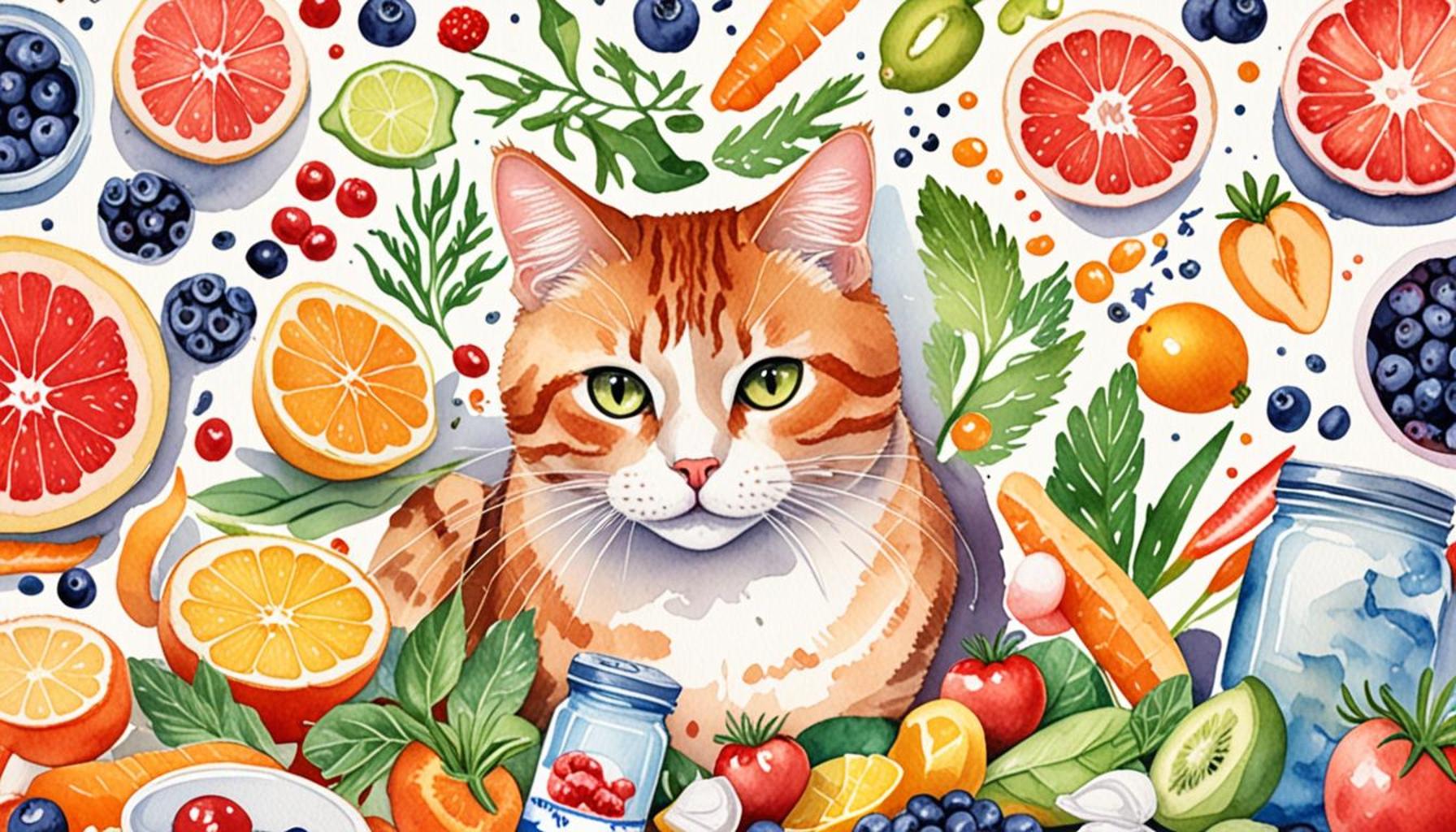
The health of your cat is intricately linked to the quality of their diet. Understanding that cats are obligate carnivores sets the foundation for their nutritional needs. This means their bodies are specifically designed to thrive on animal-based proteins, which offer not just energy, but vital nutrients for their overall well-being. In this exploration, we will delve into essential supplements that can enhance their diet along with the benefits of preparing homemade foods tailored for your feline companion.
The Importance of Nutrition
Many cat owners might overlook the importance of specific nutrients crucial for maintaining a healthy cat. Key elements include:
- Protein – Critical for muscle development, energy, and supporting a robust immune function. Sources like chicken, turkey, and fish are excellent protein sources.
- Taurine – This essential amino acid is vital for heart and eye health. Cats cannot synthesize taurine on their own, making it imperative to include it in their diet.
- Vitamins and Minerals – These components are necessary for various bodily functions, from bone health to skin well-being. Vitamins A, D, and E, along with minerals like calcium and phosphorus, are all essential.
In regions like Nigeria, where access to commercial pet food may be limited or expensive, learning to create balanced meals at home can significantly improve your cat’s health. Furthermore, understanding which supplements could benefit your pet is crucial to filling any gaps in their diet.
Crafting Homemade Meals
Preparing homemade cat food offers a rewarding way to meet your cat’s specific dietary needs while allowing you to monitor the quality of each ingredient. Several ingredients that can be safely included are:
- Cooked chicken or fish – These are ideal sources of protein and are generally well-accepted by cats.
- Vegetables like carrots and peas – While cats primarily need protein, small amounts of vegetables can provide fiber and additional vitamins.
- Rice or oats – These can serve as a good source of carbohydrates, providing energy.
Although the idea of cooking for your cat is enticing, it is essential to conduct thorough research or consult a veterinarian before making any significant dietary changes. For instance, certain foods that are nutritious for humans may be toxic to cats, such as onions and garlic. Dive deeper into the world of feline nutrition, and empower yourself to ensure that your furry friend thrives with a nutritious and well-balanced diet. By understanding and catering to your cat’s dietary needs, you not only enhance their health but also strengthen the bond between you and your beloved pet.
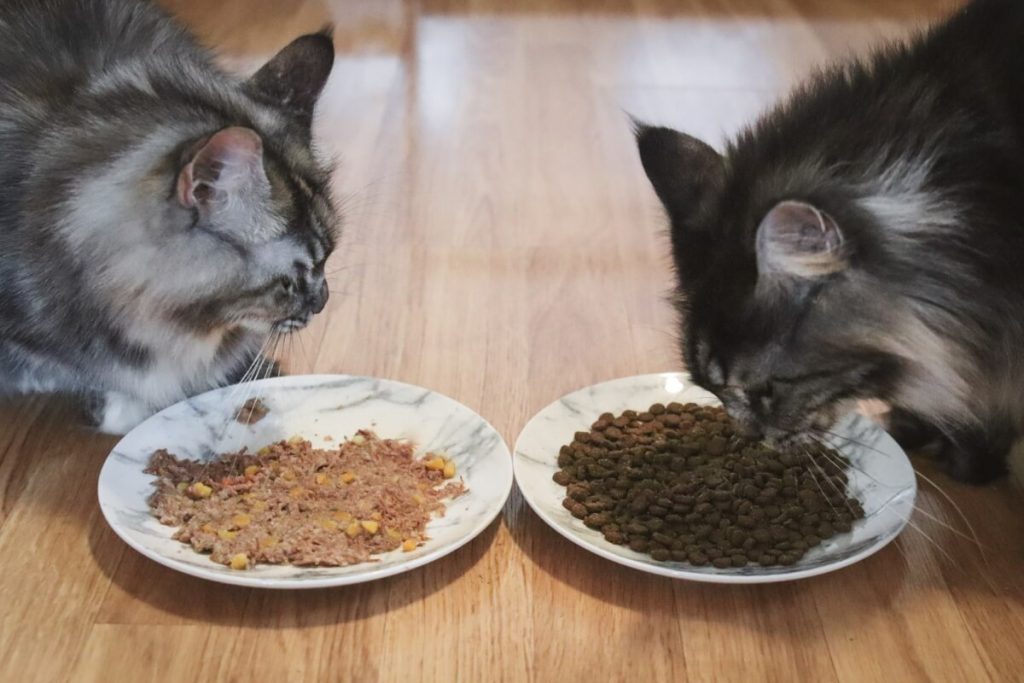
SEE ALSO: Click here to read another article
Navigating Nutritional Needs
When considering proper nutrition for cats, it is essential to grasp the unique dietary requirements that distinguish them from other pets. As obligate carnivores, cats derive essential nutrients primarily from animal sources. This specific dietary need emphasizes the importance of including a variety of animal proteins in their meals. Notably, as the demand for high-quality pet food continues to rise in Nigeria, understanding how to supplement commercial diets can significantly contribute to a cat’s health.
Essential Supplements for Cats
Even with a balanced diet, your cat might still require specific supplements to maintain optimal health. Here are some critical supplements to consider:
- Fish Oil – Rich in omega-3 fatty acids, fish oil helps promote a shiny coat and can reduce inflammation. It’s particularly beneficial for cats prone to skin issues.
- Probiotics – These beneficial bacteria support gut health, which is vital for digestion and overall immunity. Probiotics can be especially helpful if your cat struggles with digestive issues.
- Multivitamins – Often formulated specifically for felines, multivitamin supplements can fill nutritional gaps and help foster a balanced diet, ensuring your cat receives all necessary vitamins and minerals.
While the right amounts of these supplements can improve your cat’s health, it’s crucial to consult a veterinarian. Some cats may have unique health conditions that require different dosages or specific types of supplements.
Understanding Safe Ingredients for Homemade Foods
The concept of homemade cat meals is appealing not only due to better control over the quality of ingredients but also the opportunity to customize meals that are tailored to your cat’s preferences. However, creating balanced meals demands careful planning. Incorporating safe ingredients ensures your cat receives the necessary nutrients without any harmful additives. Some beneficial ingredients include:
- Lean meats – Chicken, turkey, and organ meats like liver are all excellent sources of protein and should be cooked without any seasoning.
- Bone broth – A great source of hydration and nutrients, bone broth can be added to meals for flavor and moisture.
- Eggs – Rich in protein, cooked eggs can make a healthy addition to homemade recipes, offering essential amino acids.
Always remember that while homemade food can be immensely beneficial, it’s vital to avoid using certain ingredients like chocolate, grapes, and raisins, which can be toxic to cats. Engaging with your veterinarian to craft a balanced diet plan will ensure you meet all of your feline friend’s nutritional needs.
By becoming educated on proper nutrition and recognizing the essentials, both in terms of supplements and the components of homemade meals, cat owners can foster the health and vitality of their pets. This proactive approach not only improves their well-being but also enhances the bond you share.
| Category | Benefits |
|---|---|
| Essential Supplements | Vital nutrients that support overall cat health, including omega fatty acids, taurine, and vitamins. |
| Homemade Foods | Allows for a tailored diet, ensuring your cat receives high-quality, nutrient-rich meals free from fillers. |
In understanding the importance of proper nutrition for cats, it becomes evident that both essential supplements and homemade foods play a significant role. Essential supplements are pivotal in enhancing a cat’s immune system, promoting a shiny coat, and ensuring healthy organ function. Ingredients like omega-3 fatty acids can reduce inflammation and support joint health, while taurine is crucial for heart and eye health. On the other hand, homemade foods provide an unmatched opportunity for owners to customize their pet’s diet. By preparing meals at home, you can avoid unhealthy preservatives and choose organic, high-quality ingredients tailored to meet your cat’s specific needs. This approach not only enhances the palatability of their meals but also fosters a deeper bond between owner and pet through shared experiences in the kitchen. Incorporating these elements can lead to improved vitality and longevity for your feline companion. For those intrigued, exploring the nuances of these nutritional aspects can lead to a healthier and happier life for your cat.
ADDITIONAL INSIGHTS: Expand your understanding here
Crafting Balanced Homemade Meals
Creating homemade meals for your cat can indeed seem daunting; however, a little research and understanding of nutritional balance can lead to a rewarding experience. The fascination with homemade cat food is steadily growing in Nigeria, where many pet owners seek to provide fresh, wholesome meals to their furry companions. To ensure a well-rounded diet, remember to incorporate not just proteins but also essential vitamins and minerals.
Incorporating Fruits and Vegetables
While cats are mainly carnivorous, small amounts of fruits and vegetables can provide beneficial nutrients. Certain feline-safe options that can enhance their diet include:
- Carrots – Rich in beta-carotene, carrots can be cooked and mashed to create a nutritious addition to meals.
- Spinach – Packed with vitamins A, C, and K, spinach can be beneficial in small quantities, but always ensure it is properly cooked and blended.
- Blueberries – These little powerhouses are not only a great source of antioxidants but can also serve as a delightful treat for your cat without being excessively sugary.
However, be cautious with the amount and frequency of these additions, as cats’ digestive systems are not designed to process large quantities of plant-based matter. Always start with small servings and observe how your cat responds before introducing additional options.
Understanding Nutrition Gaps
Even when meticulously preparing homemade meals, nutrition gaps can sometimes occur. For instance, while homemade diets can provide adequate protein, they may lack essential amino acids like taurine, which is crucial for heart and eye health in cats. To bridge this gap, consider integrating taurine-rich ingredients such as:
- Dark meat chicken – Provides a significant source of taurine when cooked and shredded into meals.
- Fish – Such as tuna or sardines, also serve as an excellent taurine source while delivering healthy fats.
Additionally, incorporating commercial supplements specifically designed to cater to homemade diets can effectively balance these nutritional needs. Always consult your veterinarian before introducing any new supplement into your cat’s diet. Their guidance can help avoid potential interactions or overloading on specific nutrients.
Feeding Practices that Promote Health
In addition to the ingredients used, how you serve meals can also play a significant role in your cat’s overall nutrition. It is essential to adopt clean feeding practices. Always ensure the ingredients used in your homemade meals are fresh and free from harmful additives or preservatives. Additionally, consider the frequency of feeding—many experts recommend dividing meals into smaller portions fed throughout the day, aligning with a cat’s natural grazing behavior.
Moreover, proper hydration is key to a cat’s health. Always ensure fresh water is readily available. The addition of moisture-rich foods, such as homemade stews or bone broth, can help enhance hydration levels, especially in cats that may not drink enough water on their own.
By understanding how to craft well-balanced meals topped with safe ingredients and fortified with essential nutrients, cat owners can promote not only optimal health but also ensure their pets lead vibrant, active lives. This commitment to nutritional wisdom not only enriches your cat’s existence but can also create an enduring bond built on care and respect for their well-being.
CHECK OUT: Click here to explore more
Conclusion: Nurturing Your Cat with Proper Nutrition
As we’ve explored, providing proper nutrition for cats involves a thoughtful combination of homemade foods and essential supplements that cater to their specific dietary needs. The shift toward preparing fresh meals is gaining traction among cat owners in Nigeria, where the quest for a healthier and more natural diet for pets is becoming increasingly popular. Understanding the crucial role of proteins, vitamins, minerals, and adequate hydration can empower you to craft meals that promote longevity and vitality in your feline companion.
It is important to recognize the potential nutrition gaps that may arise from homemade diets. Ensuring a balanced intake of taurine and other essential nutrients can significantly enhance your cat’s health. Consulting with a veterinarian before implementing new ingredients or supplements can provide invaluable insights tailored to your cat’s unique requirements.
Moreover, adopting clean feeding practices and understanding your cat’s natural feeding behavior fosters a nurturing environment that aids in their digestion and overall well-being. By offering a variety of safe fruits and vegetables in moderation, you can enrich your cat’s diet while satisfying their natural instincts.
Ultimately, the pursuit of optimal nutrition for your cat is not merely a task but an enriching journey that strengthens the bond between you and your furry friend. As you explore these nourishing options, remember that each meal is an opportunity to contribute positively to your cat’s health, happiness, and life quality. Embrace the adventure of creating wholesome meals that not only fulfill dietary requirements but also reflect your love and commitment to your pet’s well-being.

Linda Carter
Linda Carter is a writer and pet care expert specializing in pet health, grooming, and wellness. With extensive experience helping pet owners create safe, loving, and enriching environments for their animals, Linda shares her knowledge on our platform. Her goal is to empower readers with practical advice and strategies to ensure their pets thrive and lead joyful, healthy lives.