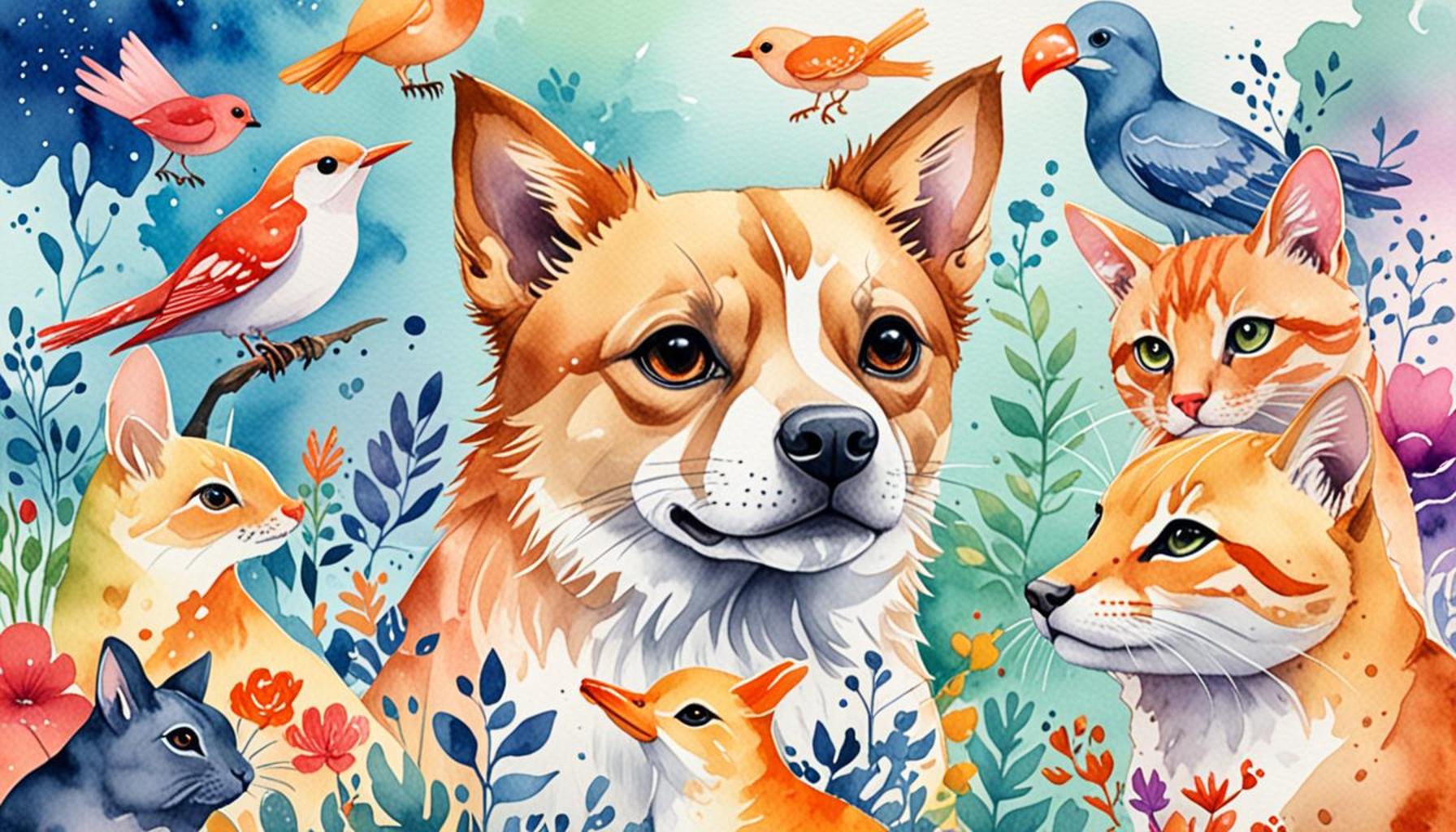
Creating a Pet Adoption Support Network in Nigerian Communities

Introduction
In recent years, the importance of animal welfare has gained significant traction across the globe, including Nigeria. Establishing a pet adoption support network within communities not only enhances the well-being of abandoned animals but also fosters a sense of community involvement and compassion. As the awareness of pet adoption grows, strengthening local support systems becomes essential for ensuring successful placements and reducing the number of stray animals.
Cultural attitudes towards pets and animal care can vary widely, making it crucial to tailor support initiatives that resonate with local values and lifestyles. To effectively create a network in Nigerian communities, collaboration among various stakeholders is key. These may include:
- Local animal welfare organizations
- Community leaders
- Veterinarians
- Schools and educational institutions
- Pet owners and potential adopters
In this article, we will explore the top 5 strategies for creating a robust pet adoption support network in Nigerian communities, empowering residents to take an active role in improving the lives of homeless animals. Through this guide, you will discover practical insights and innovative approaches that can inspire action and compassion within your community.
Top 5 Ways to Create a Support Network for Pet Adoption in Nigerian Communities
In recent years, the connection between humans and animals has gained significant recognition worldwide. In Nigeria, the movement towards recognizing the benefits of animal companionship is steadily growing. A robust support network dedicated to pet adoption not only transforms the lives of domestic animals but also enriches human lives. This article delves into the top five strategies to effectively foster such a network within Nigerian communities, enhancing the concept of pet adoption altogether.
5. Community Education Programs
An essential step in establishing a support network for pet adoption is the implementation of community education programs. By educating the public, we can bridge the knowledge gap regarding the benefits and responsibilities of pet ownership. Initiatives may include workshops, seminars, and pamphlets designed to address misconceptions such as breed-specific myths or the complex needs of various animals.

Local schools and community centers are pivotal in these education endeavors. Engaging them can significantly raise awareness about the critical role of animal welfare and the advantages of adopting pets. Programs should aim to demonstrate how pets can improve mental health and daily well-being, encouraging responsible adoption. Additionally, such educational efforts ensure that potential pet owners are prepared for their future commitments, reducing the likelihood of pet abandonment.
4. Collaboration with Local Influencers
Harnessing the power of social media and digital platforms is indispensable in today’s interconnected world. Collaborating with local influencers is a dynamic strategy for promoting pet adoption. These individuals wield substantial influence over public opinion and can be instrumental in shaping perceptions around pet adoption.
By sharing their personal narratives and experiences with adopted pets, influencers offer authentic insights into the joy and fulfillment of providing a home to an animal. Their association with the cause lends credibility, capturing the hearts of their audiences. Through awareness campaigns on popular platforms like Instagram, Twitter, and Facebook, influencers can reach diverse demographics, creating a ripple effect that amplifies the message. This outreach can stimulate interest and cultivate a culture of empathy and care surrounding pet adoption.
3. Establish Partnerships with Local Businesses
To create an effective support network, forming alliances with local businesses is crucial. Businesses such as groomers, pet stores, and veterinary clinics are integral components of pets’ care and maintenance ecosystem. Organizations committed to pet adoption can leverage such partnerships to gain resources, funding, and venues for adoption events.
For example, pet stores might donate space for adoption fairs or offer promotional support, while vet clinics could provide discounted services for adopted animals. Local businesses, by participating in community initiatives, position themselves as socially responsible and community-oriented enterprises. This partnership not only benefits pets and adopters but also enhances the businesses’ image, creating a mutually beneficial cycle of community support.
2. Foster Volunteer Programs
Volunteers are a vital part of any pet adoption framework. A structured volunteer program can significantly enhance support for adoption initiatives. These volunteers can fulfill various roles, ranging from fundraising and event coordination to directly caring for animals.
By encouraging community involvement, such programs ensure a steady flow of passionate advocates who dedicate time and expertise to the cause. Volunteers help generate excitement around adoption events and can share compelling success stories. Furthermore, training sessions equip them with the knowledge to effectively communicate the significance of adoption to potential pet owners, thus broadening the impact of adoption messages.
1. Create an Online Platform for Awareness and Adoption
The creation of an online platform is a pioneering strategy in the advancement of pet adoption support networks. A comprehensive online hub serves not only as a database for available pets but also as an educational resource featuring success stories and updates on community events related to pet care and ownership.
This digital platform should highlight local shelters and rescue organizations, enabling seamless connections between potential pet owners and adoptable animals. Features such as a forum or chat room provide spaces for prospective adopters to ask questions and seek guidance from those with experience in pet adoption.
The online platform increases accessibility, ensuring the adoption process is streamlined and informed. As a central point of information and interaction, it fosters a community of shared experiences and support, facilitating a network where adopters, organizations, and the broader community can collaborate for the greater good of animal welfare.
By implementing these five strategies, Nigerian communities have the potential to develop a thriving network that emphasizes the significance of pet adoption. Such an initiative promises improved outcomes for animals and people alike. Collective efforts towards this cause not only foster understanding and empathy but also enhance the overall quality of life for many pets in need and the humans who gain their companionship.
| Category | Benefits |
|---|---|
| Community Engagement | Fostering a network encourages local residents to come together, share their passion for animal welfare, and actively participate in community service. |
| Education and Awareness | Creating support networks leads to increased education about responsible pet ownership and the importance of spaying/neutering to control the pet population. |
| Support for Vulnerable Animals | A dedicated support system focuses on rescuing and rehabilitating stray or abused animals, giving them a second chance at life. |
| Improved Adoption Rates | With a well-structured network, the likelihood of pets finding loving homes increases, as there will be more outreach to potential adopters. |
Developing a support network for pet adoption in Nigerian communities goes beyond mere animal rescue—it embeds itself deeply into the social fabric of these areas. One of the prominent advantages is community engagement, where individuals unite with a shared purpose. This not only creates a sense of belonging but also emphasizes collaboration, nurturing a collective spirit to address animal welfare concerns effectively.Another critical component is the education and awareness it generates within the community. By providing knowledge on responsible pet ownership, residents can learn life-changing practices such as the benefits of spaying and neutering pets. This educational outreach can mitigate the issues of overpopulation and help maintain healthier animal communities.Supporting vulnerable animals is a significant aspect of these networks; they stand as a beacon of hope for stray and abused animals. By focusing resources and effort on rehabilitation, communities can rescue animals from dire situations and provide them with the medical attention they require, ultimately enriching the lives of both the animals and future owners.Lastly, these initiatives can lead to markedly improved adoption rates. A more structured approach encourages connectivity between shelters and potential adopters, making the process more accessible. Increased public awareness and campaigns can inspire individuals and families to consider adoption over purchasing pets, thus paving the way for more animals to experience loving homes. Each of these benefits reinforces the notion that a supportive network sparks not just change but fosters a thriving community dedicated to animal welfare.
Frequently Asked Questions about Building a Support Network for Pet Adoption in Nigerian Communities
What are the main challenges faced by Nigerian communities in pet adoption?
Nigerian communities face several challenges when it comes to pet adoption. One of the primary obstacles is cultural perception; in many areas, pets are not traditionally seen as family members. Additionally, there is often a lack of veterinary infrastructure and resources, which complicates the care process for adopted animals. Moreover, economic constraints can make it difficult for individuals to afford the ongoing costs associated with pet ownership.
How can a support network benefit pet adoption in these communities?
A well-structured support network can provide significant benefits by offering education and awareness about the importance of pet adoption and care. It can also help facilitate the sharing of resources, such as access to veterinary care or affordable pet food. Additionally, a strong network can foster a community spirit, encouraging collaboration and support among pet owners, which can lead to a higher success rate in pet adoptions.
What role do local organizations play in facilitating pet adoption across Nigeria?
Local organizations play a crucial role in promoting pet adoption by acting as mediators and educators. They often organize workshops and community events to raise awareness about pet care and adoption. Moreover, they help connect potential pet owners with animals in need through fostering programs and adoption drives. These organizations can also influence policy changes and advocate for better support systems for pet care within the community.
What strategies can be adopted to improve the success of adoption networks in these regions?
Improving the success of adoption networks can start with increasing public awareness through targeted campaigns and educational initiatives. Establishing partnerships with local businesses and veterinarians can provide necessary resources and support. Additionally, fostering a culture of volunteerism can mobilize community members to actively participate in the network, ensuring its sustainability and efficiency. Encouraging storytelling and sharing positive experiences from adopters can also play a key role in changing perceptions and motivating others to adopt.
How can technology aid in the development of a support network for pet adoption?
Technology can serve as a powerful tool in building and sustaining an effective support network. Social media platforms and mobile applications can be utilized to connect adopters with pets in need and to spread valuable information about pet care. Digital platforms can also facilitate donations and crowdfunding for resources required by adoption programs. Furthermore, technology can streamline communication within the network, making it easier for participants to share solutions and collaborate effectively.
Conclusion: Building a Support Network for Pet Adoption in Nigerian Communities
In conclusion, creating a robust support network for pet adoption within Nigerian communities holds significant promise for improving the welfare of both animals and humans. Throughout this article, we have explored various strategies to cultivate such a network, emphasizing community involvement, collaboration with local animal shelters, and educational initiatives.
One of the key takeaways is the necessity of strong community engagement. By actively involving community members, we create a sense of ownership and responsibility towards animal welfare. Local leaders and influencers can play a crucial role in championing the cause and fostering an environment where pet adoption is seen as a valuable and desired practice.
Moreover, collaboration with existing animal welfare organizations and shelters provides critical support. These partnerships can enhance resources and expertise, enabling more effective pet adoption processes. Such collaboration not only ensures the well-being of adopted animals but also supports those still awaiting homes.
Education stands out as a fundamental pillar in this initiative. By raising awareness about the benefits of pet adoption and responsible pet ownership, misconceptions can be dispelled, encouraging more individuals to open their homes to pets. Educational programs targeting various demographics, including school children and adults, can shift perspectives and cultivate a culture of empathy and care for animals.
Ultimately, the formation of a dedicated support network for pet adoption transforms communal attitudes, fostering an environment where animal welfare is prioritized. While challenges exist, the collective effort of communities, organizations, and individuals can drive meaningful change. This is an opportunity for Nigerian communities to lead by example and inspire a nationwide movement in support of the humane treatment and adoption of pets.