Essential Dog Health Tips Keep Your Canine Fit and Healthy
In an ever-evolving society where pets are regarded as treasured family members, understanding how to maintain their health is crucial. Providing your dog with the right care can lead to a happier, longer life and enhance the bond you share. This article will explore essential dog health tips that help keep your canine fit and thriving.
Many dog owners may overlook basic health practices, leading to issues that could have been easily prevented. By focusing on several key areas, you can foster a healthier lifestyle for your four-legged friend. This guide will reveal the Top 5 tips every dog owner should know.
- Nutrition and Diet
- Regular Exercise
- Routine Check-Ups
- Mental Stimulation
- Hydration
With these tips, you can ensure your pup is not only surviving but truly thriving. Let’s dive into how you can transform your dog’s health routines!
Top 5 Health Tips for Dogs: How to Keep Your Best Friend Fit and Healthy
Ensuring the health and wellness of our canine companions is not just a responsibility; it’s a journey filled with joy and commitment. Dogs transcend the category of household pets to become integral members of our families. Just like any beloved family member, they deserve meticulous attention to their health. In this guide, we uncover the top five health tips for keeping your furry friend in optimal condition. Each recommendation plays a crucial role in fostering a healthy and fulfilling lifestyle for your cherished pooch.
5. Regular Veterinary Check-Ups
Just like humans, dogs require regular check-ups to maintain their health. These visits to the veterinarian should be a routine part of your dog’s life. Scheduling consistent vet appointments can help in early detection of potential health issues, which underlines the importance of timely vaccinations and preventive care.

The frequency of these visits depends on various factors such as your dog’s age, breed, and any existing health conditions. Generally, it is advisable to follow these guidelines:
- Puppies: Every 3-4 weeks until they reach 16 weeks old, which is crucial for building their immune defenses against common diseases.
- Adult dogs: At least once a year for a comprehensive health check, including dental care and blood tests to detect any underlying issues.
- Senior dogs: Twice a year or more, depending on your veterinarian’s advice. Older dogs may require more frequent monitoring to manage age-related conditions.
Your veterinarian is not just a health checker but also a valuable resource for nutritional and lifestyle advice tailored to your dog’s individual needs. A vet’s advice can help you navigate the complex choices involved in dog care.
4. Balanced Diet
The cornerstone of your dog’s health lies in a balanced diet. Dogs require the right blend of nutrients, vitamins, and minerals to thrive. Feeding your dog a mix of high-quality dog food that meets their specific nutritional needs based on factors such as age, breed, and activity level is crucial.
To design a well-rounded diet for your dog, consider incorporating:
- High-quality proteins: Chicken, beef, and fish are excellent sources providing the essential amino acids for muscle maintenance and cellular function.
- Whole grains: Ingredients like brown rice and oatmeal can provide energy and fiber that aid in digestion.
- Fruits and vegetables: Carrots, apples, and blueberries not only add vitamins and antioxidants but can also be tasty treats.
While it’s tempting to share your food with your pet, it’s crucial to be aware of toxic human foods like chocolate, grapes, and onions that can harm dogs. Always consult your veterinarian before introducing new food items into your dog’s diet.
3. Regular Exercise
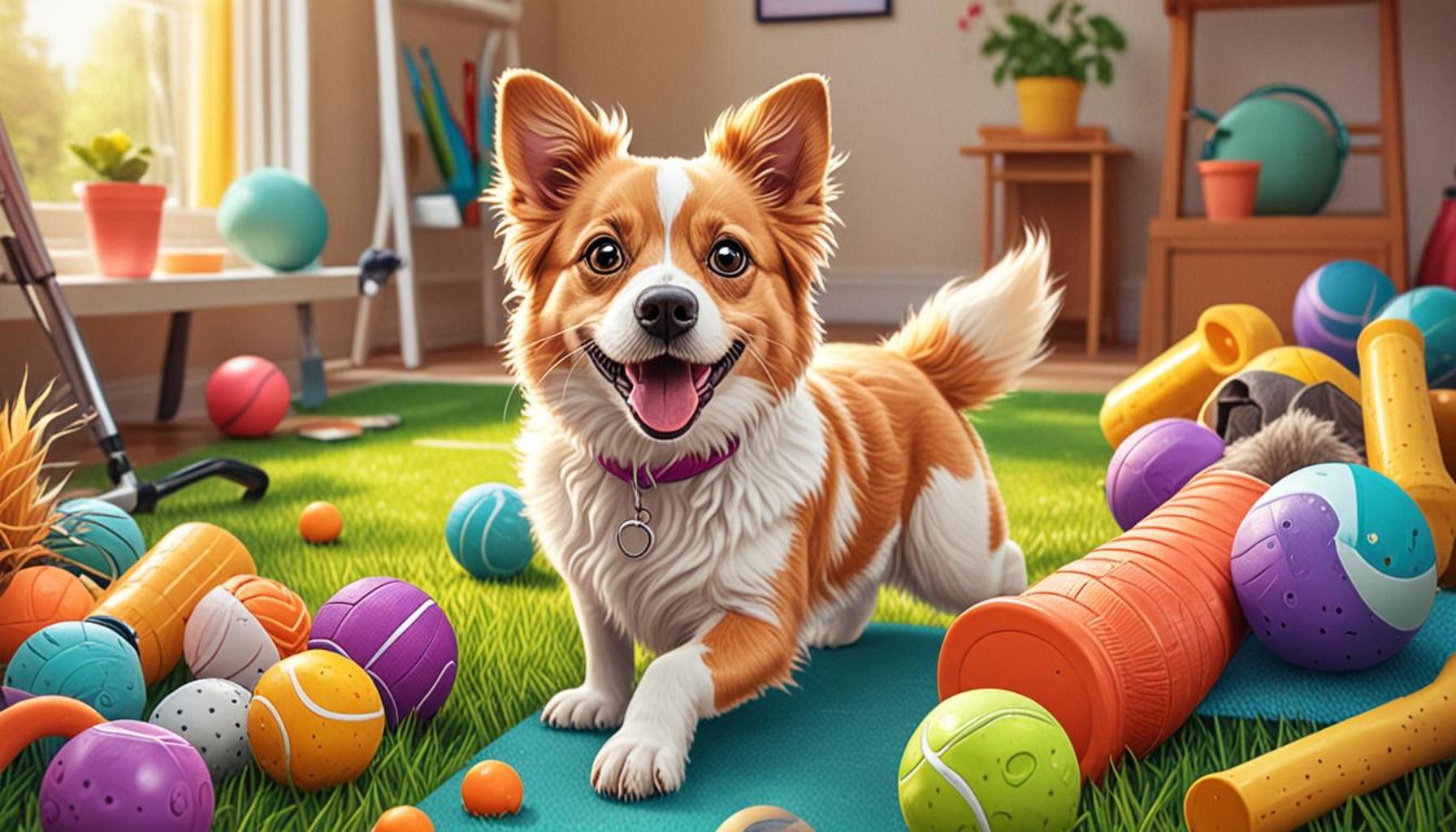
A dog’s physical and mental health benefits greatly from regular exercise. However, this extends beyond simple walks on a leash; incorporating diverse activities can enhance their physical fitness and mental well-being.
Here are creative ideas to keep your dog actively engaged:
- Long walks or jogs: Daily walks are fundamental but consider increasing intensity with jogging to suit high-energy dogs.
- Interactive play sessions: Use toys and engage in play that stimulates their instinctual behavior, such as tug-of-war or fetch.
- Agility training or obedience classes: These offer structured environments for both physical exercise and learning new skills, which can be especially beneficial for high-energy or working breeds.
The intensity and duration of exercise should reflect your dog’s age, breed, and health status. For instance, while robust breeds like Labradors can handle strenuous activities like hiking, smaller breeds might enjoy shorter, more frequent activities. Tailoring exercise plans to your dog’s specific needs is essential for long-term health.
2. Mental Stimulation
Dogs are intelligent creatures that require mental stimulation to prevent boredom and the onset of behavioral issues. Keeping their minds engaged is just as important as physical exercise for their overall well-being.
Explore these activities to enrich your dog’s mental landscape:
- Puzzle toys and interactive feeders: These can challenge your dog’s problem-solving skills and keep them occupied for longer periods.
- Training new tricks or commands: Continuous learning keeps their minds sharp and encourages good behavior.
- Socializing with other dogs: Regular playdates or trips to dog parks facilitate social interaction and enrich their emotional lives.
Engaging your dog’s mind not only enhances their cognitive abilities but also strengthens your bond by creating positive, shared experiences.
1. Proper Grooming and Hygiene
At the top of our list is the necessity of proper grooming and hygiene. Grooming is integral not just for your dog’s appearance but also for their health.
Consistent grooming practices help minimize the risk of skin infections, decrease shedding, and contribute to a cleaner home environment. Key elements of grooming include:
- Bathing: Use dog-specific shampoos that suit your dog’s skin type to prevent irritations and infections.
- Brushing: Regular brushing removes loose fur and prevents matting, which can be particularly important for long-haired breeds.
- Nail trimming and ear cleaning: These activities are essential for preventing infections and maintaining mobility and comfort.
A well-groomed dog often translates to a happy dog, and grooming sessions can serve as a wonderful opportunity for bonding with your canine companion. This time can serve to reinforce trust and calmness, further enhancing your relationship.
In conclusion, maintaining your dog’s health involves a multifaceted approach encompassing veterinary care, diet, exercise, mental stimulation, and grooming. Each component plays a critical role in ensuring your dog lives a happy, healthy life by your side. By incorporating these tips into your routine, you provide your dog not only with a longer life but one filled with vibrancy and joy.
| Category | Details |
|---|---|
| Nutrition | Proper nutrition is essential for a dog’s overall health. A balanced diet helps maintain a healthy weight, promotes shiny coats, and ensures that your pet receives all necessary vitamins and minerals. |
| Physical Activity | Regular exercise is vital for a dog’s physical and mental health. Activities such as walking, running, and playing can help strengthen muscles, improve cardiovascular health, and reduce behavioral issues. |
| Regular Check-ups | Routine veterinary visits can help catch health issues early on. Vaccinations, dental care, and checks for parasites are crucial for preventing serious diseases in pets. |
| Mental Stimulation | Engaging your dog’s mind is just as important as physical exercise. Puzzle toys, training sessions, and interactive games can reduce anxiety and prevent destructive behaviors. |
Each of these categories illustrates a key component of maintaining your furry friend’s health and happiness. Delving deeper into these areas can lead to a more rewarding experience for both pets and their owners. For instance, ensuring a nutritious diet not only keeps your dog in shape but can also prevent common illnesses associated with obesity, such as diabetes or heart disease. Additionally, varying the types of physical activities can cater to your dog’s breed and age, making exercise not only essential but also enjoyable.Moreover, don’t underestimate the significance of regular check-ups. Many owners overlook routine vet visits, thinking their pets look fine; however, underlying issues can go unnoticed until they become severe. Timely vaccinations and preventive treatments can save both health complications and financial burdens later on.Equally, mental stimulation plays an indispensable role in your dog’s repertoire of health. By introducing training sessions and problem-solving activities, you can greatly enhance your dog’s cognitive abilities. These practices not only foster stronger bonds between you and your pet but also cultivate an environment where your dog can thrive both physically and mentally.
Frequently Asked Questions About Dog Health Tips
How often should I take my dog to the veterinarian?
Regular vet check-ups are crucial for maintaining your dog’s health. It is generally recommended to visit the veterinarian at least once a year for a routine examination. For puppies, senior dogs, or those with health issues, visits may need to be more frequent. Consistent check-ups help in early detection of potential health problems, ensuring timely intervention.
What is the best way to keep my dog physically active?
Physical activity is essential for your dog’s physical and mental well-being. Daily walks are a great start, but activities should be varied to include playtime, agility exercises, and interactive games like fetch. The Center for Disease Control and Prevention (CDC) suggests that dogs should receive at least 30 minutes to 2 hours of exercise daily, depending on their breed and age.
What type of diet is recommended for a healthy dog?
A balanced diet is crucial for your dog’s health. High-quality commercial dog food is generally designed to meet most of a dog’s dietary needs. However, some dogs might benefit from a tailored diet, especially if they have specific health concerns. Consulting a veterinarian is advised for dietary adjustments. Fresh water should always be available, and treats should be given in moderation to maintain a healthy weight.
Are there signs that my dog might be experiencing health issues?
Early recognition of health issues can make a significant difference. Some warning signs to look for include changes in appetite, lethargy, excessive thirst, weight changes, and unusual behavior such as aggression or withdrawal. It’s important to act promptly and consult a veterinarian if any concerning symptoms arise, as dogs are often adept at hiding discomfort.
How can I ensure my dog’s mental health is well maintained?
Mental stimulation is as important as physical exercise. Activities such as puzzle toys, training sessions, and varied environments during walks can keep your dog’s mind sharp. Socialization is also key, both with humans and other dogs, to prevent anxiety and aggression. Observing your dog’s behavior and offering appropriate interaction can greatly contribute to their mental well-being.
Conclusion
Ensuring the health and well-being of your canine companion is a multifaceted task that requires commitment and awareness. Through this journey, we’ve highlighted five pivotal tips: balanced nutrition, regular exercise, mental stimulation, routine veterinary visits, and preventive measures. By integrating these aspects into your dog’s daily life, you can significantly contribute to their long-term health and vibrancy.
Firstly, providing a nutrient-rich and balanced diet is fundamental. It lays the cornerstone for a healthy life, supporting everything from their immune system to their coat’s shine. Coupled with this, ensuring consistent and adequate exercise helps maintain your dog’s physical health, combating obesity and promoting cardiovascular health.
Mental health is equally crucial, and through mental stimulation via interactive toys and training, you can keep your dog’s mind sharp and decrease behavioral issues. Routine veterinary visits cannot be overstated, as they enable early detection of potential health issues, ensuring they lead a healthy, happy life.
Finally, taking proactive measures for flea and parasite control protects your dog from the discomfort and health risks these external threats pose. By taking these steps, you’re not just nurturing a pet; you’re fostering a strong friendship built on love, trust, and care.
The journey to keeping your best friend in top condition doesn’t end here. Delve deeper into each area, expand your knowledge, and adapt these principles to suit your dog’s unique needs. The reward is immeasurable — a thriving, energizing relationship with your canine companion, enriching both your lives.

Linda Carter
Linda Carter is a writer and pet care expert specializing in pet health, grooming, and wellness. With extensive experience helping pet owners create safe, loving, and enriching environments for their animals, Linda shares her knowledge on our platform. Her goal is to empower readers with practical advice and strategies to ensure their pets thrive and lead joyful, healthy lives.