
Preventive Vet Care for Cats Why Regular Checkups Matter
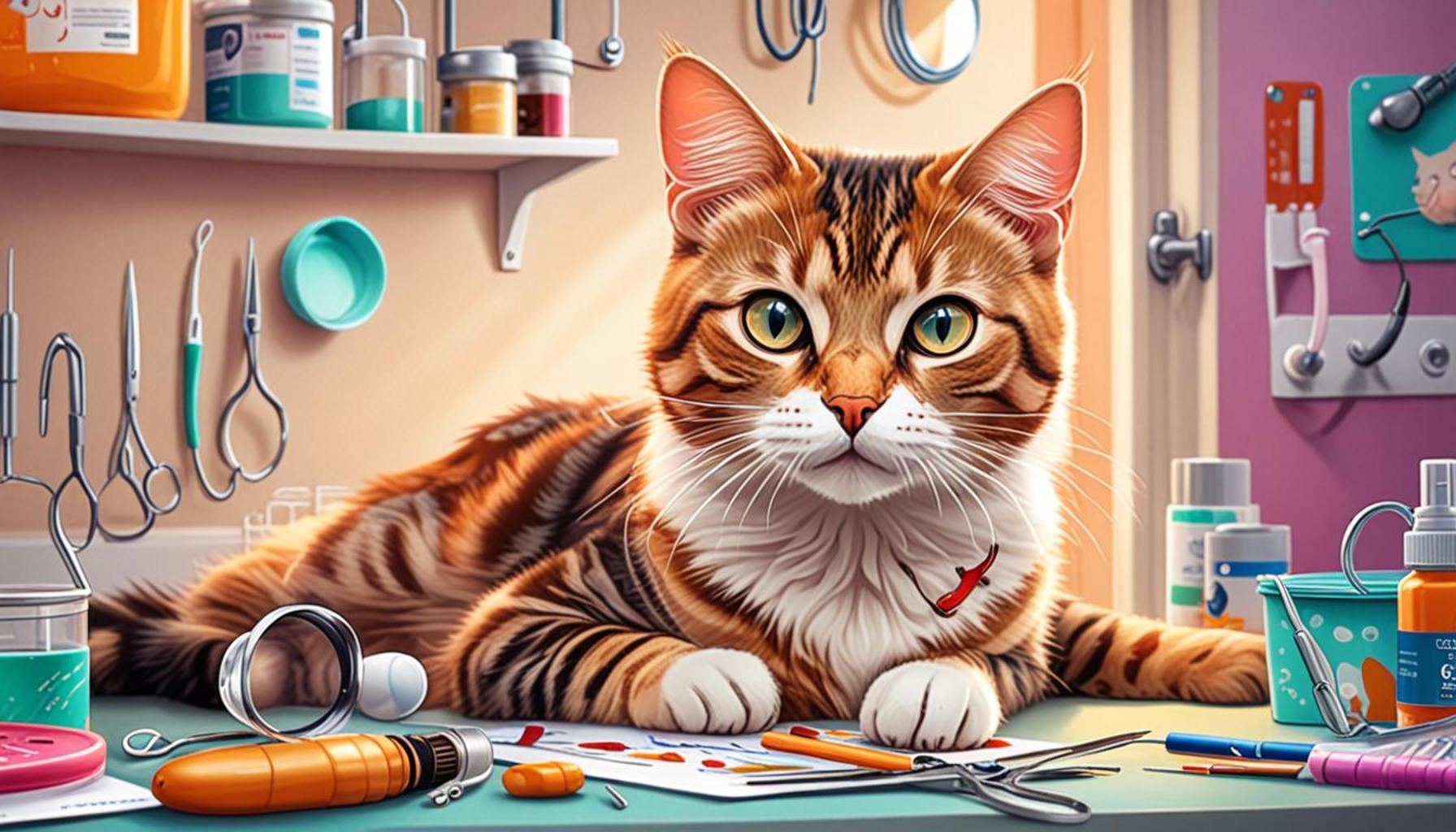
Ensuring the health and happiness of your feline friend goes beyond just regular feeding and playtime. Just like humans, cats benefit immensely from preventive veterinary care, which plays a crucial role in their long-term wellbeing. By establishing a routine of regular checkups, pet owners can catch potential health issues early on, thereby improving their pet’s quality of life.
Here are some key reasons why these checkups are essential:
- Early Detection: Many illnesses are asymptomatic in the early stages, making routine visits vital.
- Preventive Vaccinations: Protects against life-threatening diseases and ensures a stronger immune system.
- Dental Health: Poor dental hygiene can lead to severe health issues not just in the mouth, but throughout the body.
- Weight Management: Regular checkups help monitor your cat’s weight, preventing obesity-related complications.
- Behavioral Insights: Vets can provide guidance on any behavioral changes that may indicate health concerns.
In this article, prepare to explore the Top 5 most essential preventive care practices that can significantly amplify your cat’s overall health. Discover why making these checkups a priority is not just beneficial, but necessary for your beloved pet.
Top 5 Preventive Veterinary Care Measures for Cats: The Importance of Regular Examinations
Cats possess a remarkable independence, a trait admired by many feline enthusiasts. However, this self-reliance can often mask health issues that may only become apparent to a trained professional. Regular veterinary examinations are essential for ensuring that your cat remains in peak condition, both physically and emotionally. In this piece, we delve into the top five preventive care strategies to incorporate into your cat’s routine, highlighting the critical role of regular check-ups in maintaining optimum feline health.
5. Vaccinations: The First Line of Defense
Vaccinations are a fundamental component of a comprehensive preventive care plan for your cat. They serve as a safeguard against serious and potentially fatal diseases such as feline panleukopenia, calicivirus, and rhinotracheitis. Without appropriate vaccination, these diseases can result in high morbidity and mortality rates among cats.
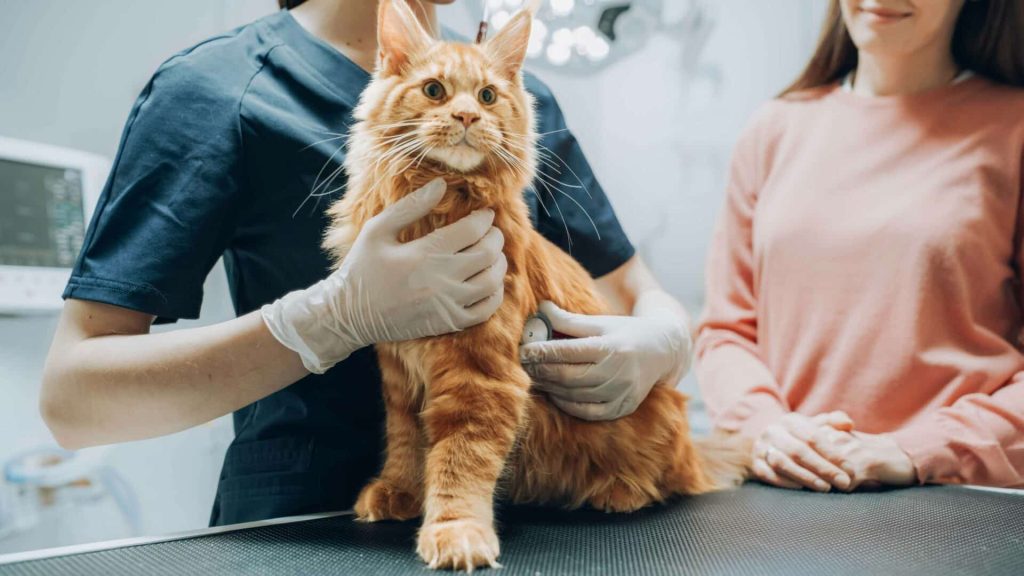
Typically, kittens begin their vaccination series around six to eight weeks of age, receiving boosters at regular intervals thereafter. A veterinarian can customize a vaccination schedule based on your cat’s lifestyle and environment. This personalization is crucial because indoor cats may have different exposure risks than outdoor cats. Regular veterinary visits ensure vaccinations remain current, thereby minimizing your cat’s risk of encountering various pathogens.
4. Parasite Control: A Hidden Threat
Few things are as vital to your cat’s well-being as effective parasite prevention. External parasites like fleas, ticks, and mites can cause significant discomfort and lead to dermatitis or severe allergic reactions. More threatening yet are internal parasites, such as roundworms and tapeworms, which can quietly sap your cat of essential nutrients, affecting their overall health and energy levels.
During regular check-ups, veterinarians conduct thorough assessments to detect any signs of parasitic infection. Prophylactic treatments are often recommended, tailored to mitigate these risks. Beyond protecting your cat, effective parasite control strategies can also shield your home environment and human family members. For example, fleas are known vectors of diseases that can affect both animals and humans.
3. Dental Care: An Often Overlooked Essential
Among the myriad aspects of feline care, dental health is frequently neglected, despite its significant importance to overall health. Dental disease is one of the most commonly diagnosed conditions in cats, often leading to painful infections, tooth loss, and systemic issues affecting the heart and kidneys.
Routine dental evaluations allow veterinarians to check for:
- Plaque and tartar buildup
- Evident gingivitis or periodontal disease
- Suggestions for at-home dental care practices, such as brushing and dental treats
The integration of consistent dental care into your cat’s routine can prevent these issues from escalating. For example, regular brushing can significantly reduce plaque buildup, while professional cleanings tackle issues that home care cannot address alone.
2. Nutritional Advice: Tailoring Diet for Health
The right nutrition can be transformative for your cat, serving as a bulwark against numerous health issues, including obesity, diabetes, and kidney disease. Veterinary visits provide an opportunity for nutritional assessments, highlighting areas where your cat’s diet may need adjustment for optimal health.
Monitoring your cat’s weight is essential, as obesity is a growing concern in pet populations. Excess weight can lead to a range of health problems, including arthritis, diabetes mellitus, and liver disease. During exams, veterinarians can offer bespoke dietary advice and a weight management plan incorporating exercise, ensuring your cat remains at an ideal weight.
1. Regular Medical Examinations: The Cornerstone of Preventive Care
The most critical element of feline preventive care is the routine medical examination. These regular check-ups have a preventative aspect, enabling early detection and intervention for a host of health concerns. Often, cats are masters at hiding discomfort, and many conditions do not exhibit overt symptoms until they have progressed significantly.
A comprehensive veterinary assessment can help spot potential issues such as:
- Noticeable weight fluctuations
- Changes in skin and coat condition
- Challenges with joint mobility or pain
- Signs of potential organ dysfunction
The value of these examinations cannot be underestimated; they are critical in maintaining a high quality of life for your beloved feline. Addressing issues at their inception can prevent them from becoming severe, saving time, money, and stress for both you and your pet.
In conclusion, prioritizing preventive veterinary care through consistent examinations is paramount for fostering a long, healthy life for your cat. By remaining informed and acting proactively, you are paving the way for a future filled with health and happiness for your furry companion. Engaging in these practices effectively positions you to monitor and nurture your cat’s well-being, ensuring they thrive well into their senior years.
| Category | Description |
|---|---|
| Routine Vaccinations | Routine vaccinations are crucial in protecting your cat from serious diseases such as rabies, feline leukemia, and calicivirus. Regularly scheduled vaccines not only help prevent outbreaks but also ensure long-term health. |
| Early Disease Detection | Examinations can detect diseases early, and conditions like diabetes or kidney disease are best managed if caught in the initial stages. Annual health checks can lead to more effective treatment options. |
| Dental Health Monitoring | Dental issues are common in cats and can lead to serious health problems. Regular veterinary visits allow for dental cleanings and assessments that keep your cat’s mouth healthy and free from pain. |
| Behavioral Assessments | Veterinary check-ups can also provide insights into your cat’s behavior, helping identify stress-related issues or changes in temperament that could indicate underlying health problems. Professional advice can help address these concerns effectively. |
In the realm of preventive veterinary care for cats, understanding the diverse categories of health assessments is essential for their well-being. Each category contributes not only to the longevity of their life but also ensures that they have a vibrant and comfortable existence. By investing in regular veterinary visits, cat owners can embrace a proactive approach to their cat’s health. Remember that just as humans benefit from routine check-ups, so too do our beloved feline companions!
Frequently Asked Questions About Preventive Veterinary Care for Cats
Why are regular veterinary exams important for cats?
Regular veterinary exams are crucial because they allow for the early detection of potential health issues. Cats are notorious for hiding illnesses, and by the time symptoms become obvious, the condition might be advanced. In a routine check-up, a vet can detect subtle signs of diseases or nutritional deficiencies. Additionally, these visits help ensure that your cat is up-to-date with vaccinations and parasite control, which are vital for preventing serious diseases and infections.
How often should I take my cat for a veterinary check-up?
The frequency of veterinary check-ups can vary depending on your cat’s age and health status. Generally, it’s recommended to bring your cat to the vet at least once a year. For kittens and senior cats, more frequent visits might be necessary. During these exams, the vet can provide tailored advice based on the specific needs of your cat. Regular exams help maintain their overall well-being and longevity.
What should I expect during a veterinary exam for my cat?
A comprehensive veterinary exam typically includes a variety of assessments. The vet will check your cat’s weight, examine the coat and skin, ears, eyes, and teeth. They might also listen to the heart and lungs and palpate the abdomen. In some cases, blood tests or other diagnostic tests may be recommended to gather more information about your cat’s health. These exams are designed to give a full picture of your pet’s health status and address any concerns you might have.
Can preventive veterinary care really save money in the long run?
Yes, preventive care can indeed save money over time. By catching health issues early, treatments are often simpler and less expensive than dealing with advanced diseases. Additionally, preventive measures like vaccinations and parasite control can avert costly conditions altogether. Investing in routine care not only helps maintain your cat’s health and quality of life but also avoids the emotional and financial burdens of treating serious health issues later.
Conclusion: The Vital Role of Preventive Veterinary Care for Cats
In exploring the topic of preventive veterinary care for cats, it becomes clear how crucial regular check-ups are for maintaining feline health and well-being. Through a detailed examination of the subject, it is evident that ensuring consistent veterinary attention is key to identifying potential health issues before they become severe. This proactive approach aids in extending the lifespan of our feline friends.
One of the most significant takeaways from the article is the importance of routine vaccinations in protecting cats from common diseases. These vaccinations serve as a shield against potential outbreaks and help mitigate the risk of widespread infectious diseases. Additionally, regular parasite control cannot be overlooked, given its role in preventing ailments that can substantially affect a cat’s health.
The article also emphasizes the significance of a comprehensive physical examination, which allows veterinarians to catch subtle signs of illness that might not be immediately apparent to cat owners. Blood work and other diagnostic tests provide critical insights into the internal health status of cats, offering a deeper understanding of their overall condition.
A consistent theme throughout the discussion is the enlightening role of personalized dietary recommendations, which are tailored to meet the specific needs and age of each cat. These recommendations contribute to the maintenance of a healthy weight and overall wellness. Furthermore, as cats age, routine geriatric screenings are vital in addressing the unique challenges that come with senior feline care.
In summary, the value of preventive veterinary care cannot be overstated. By embracing regular examinations, vaccinations, parasite control, and personalized care, cat owners can offer their pets a healthier and more fulfilling life. This compelling topic invites us to further explore the nuances of feline health management and the sophisticated ways in which we can enhance their quality of life through proactive care.

Linda Carter
Linda Carter is a writer and pet care expert specializing in pet health, grooming, and wellness. With extensive experience helping pet owners create safe, loving, and enriching environments for their animals, Linda shares her knowledge on our platform. Her goal is to empower readers with practical advice and strategies to ensure their pets thrive and lead joyful, healthy lives.